


Primary Muscle
Chest
Build Chest Muscle, Improve Chest Contraction & Perform Controlled Isolation Repetitions
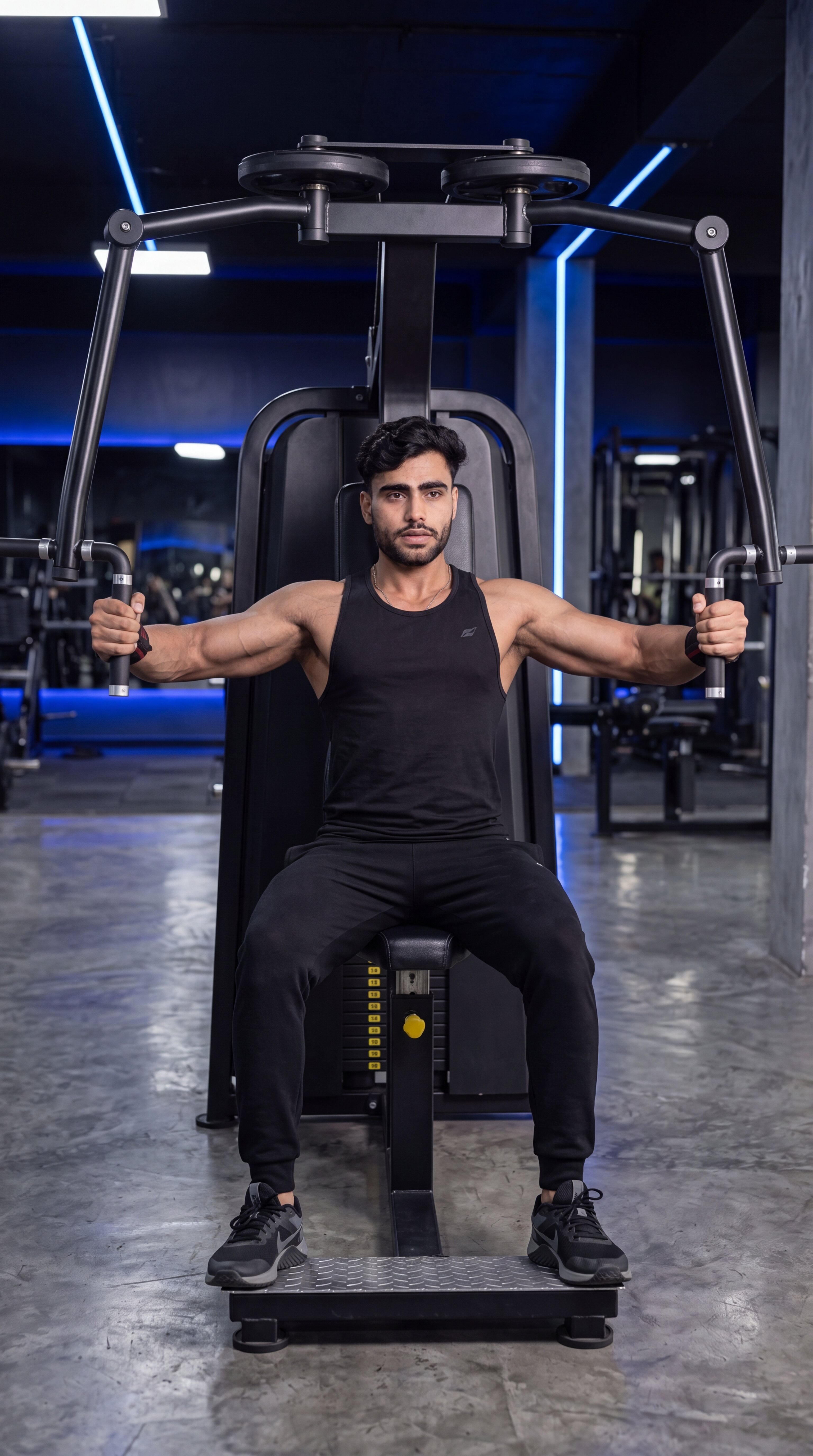
The Pec Deck Fly is a machine-based isolation exercise that targets the chest through a controlled hugging motion. The supported seated position helps reduce the need for balance and allows you to focus on chest contraction, movement control, and consistent technique.
Chest
Pec Deck Machine
Beginner
Isolation
Understand which muscles do most of the work during the Pec Deck Fly and which supporting muscles help stabilize, control, and complete each repetition.
Chest
Upper Chest
Front Shoulder
Shoulder-Girdle Stabilizer
Discover how the Pec Deck Fly helps isolate the chest, improve muscular control, provide a stable movement path, and complement your compound pressing exercises.
Emphasizes the pectoralis major through a controlled hugging motion, allowing you to focus directly on chest engagement without relying heavily on pressing mechanics.
The machine guides the arms through a consistent movement pattern, reducing the balance demands of free weights and helping you focus on controlled chest training.
The controlled fly movement encourages deliberate horizontal arm movement and focused chest engagement, helping you develop better awareness and control throughout each repetition.
The seated position and supported backrest provide greater stability, allowing you to concentrate on chest movement without managing the balance demands of dumbbells or cable handles.
The guided machine setup makes the Pec Deck Fly accessible for beginners learning chest isolation, while still providing valuable resistance for more experienced lifters.
Adds a focused isolation movement to chest training, complementing exercises such as the Bench Press, Incline Bench Press, and Dumbbell Press with a different movement pattern and resistance stimulus.
Follow these step-by-step instructions to perform the Pec Deck Fly with proper setup, controlled technique, and effective chest engagement.
Adjust the seat so the machine handles are approximately aligned with your mid-chest. Select a manageable resistance that allows you to control the full movement without losing proper position.
Avoid setting the seat too high or too low. Proper handle alignment helps maintain a comfortable and effective fly movement.
Sit upright with your upper back firmly supported against the backrest and both feet planted securely on the floor. Grip the handles and maintain a slight, natural bend in your elbows.
Keep your chest naturally lifted and shoulders controlled. Avoid shrugging or allowing your upper back to come away from the backrest.
Allow your arms to open outward under control until you feel a comfortable stretch across the chest. Maintain your elbow position and keep your shoulders stable throughout the starting phase.
Do not force your arms excessively behind your torso. Use a comfortable range of motion that allows you to maintain control and stable shoulder positioning.
Contract your chest and bring both handles inward through a smooth, controlled hugging motion until they approach each other in front of your chest. Maintain the same elbow angle throughout the movement.
Think about bringing your upper arms toward each other rather than simply pushing with your hands. This helps maintain the intended chest-focused fly movement.
Slowly allow the handles to move outward until you return to the controlled starting position. Repeat each repetition with the same stable posture, consistent range of motion, and deliberate tempo.
Do not let the weight stack pull your arms back suddenly. Control both the inward and outward phases of every repetition.
Avoid these common technique errors to improve chest engagement, maintain better control, and perform the Pec Deck Fly more effectively.
Choosing excessive resistance can make it difficult to control the handles, maintain a consistent arm path, and keep the intended tension on the chest muscles.
Use a manageable resistance that allows you to perform smooth, controlled repetitions through a comfortable range of motion without relying on momentum.
Setting the seat too high or too low can place the handles and arms in an inefficient position, making it harder to maintain a comfortable chest-focused movement pattern.
Adjust the seat so the handles are approximately aligned with your mid-chest and your arms can move comfortably through the intended fly path.
Allowing the arms to travel excessively far behind the torso can reduce control and place unnecessary stress on the shoulder joint.
Open your arms only as far as you can comfortably maintain stable shoulder positioning and controlled tension through the chest.
Leaning forward or allowing your upper back to lift away from the backrest can reduce stability and make it harder to maintain consistent chest-focused technique.
Keep your upper back firmly supported against the backrest, plant your feet securely on the floor, and maintain a stable torso throughout every repetition.
Apply these practical coaching cues to improve your Pec Deck Fly technique, maintain better chest engagement, and perform each repetition with greater control and consistency.
Adjust the seat so the handles are approximately aligned with your mid-chest and your arms can move comfortably through the intended fly path.
If the seat is too high or too low, your arms may follow an inefficient path and make it harder to maintain comfortable shoulder positioning.
Maintain firm contact between your upper back and the backrest throughout every repetition to create a stable base for controlled chest movement.
Keep your feet securely planted, chest naturally lifted, and shoulders controlled without allowing your torso to lean forward during the movement.
Focus on moving your upper arms toward each other through a smooth hugging motion rather than simply pushing the machine handles with your hands.
Maintain a slight and consistent bend in your elbows while keeping your shoulders controlled throughout the entire movement.
Increasing resistance can support progression, but heavier weight should not cause shortened repetitions, excessive momentum, or loss of stable positioning.
Increase the resistance gradually only when you can maintain a stable torso, controlled range of motion, consistent arm position, and smooth repetitions.
Progress from learning the correct machine setup to performing controlled repetitions with greater resistance while maintaining stable positioning, consistent technique, and effective chest engagement.
Learn to adjust the seat height and starting position so your arms align comfortably with your chest while your upper back remains firmly supported against the backrest.
Correct seat height, comfortable arm alignment, planted feet, supported upper back, and stable shoulder positioning.
Use light to moderate resistance and focus on bringing your upper arms together through a smooth, controlled hugging motion while maintaining stable body positioning throughout every repetition.
Smooth repetitions, controlled range of motion, consistent arm path, chest engagement, and stable shoulder positioning.
Gradually increase the machine resistance while preserving the same controlled arm path, stable torso, supported upper back, and smooth chest-focused movement developed during the earlier stages.
Quality repetitions, gradual resistance increases, consistent technique, controlled tempo, and avoiding excessive momentum or shortened range of motion.
Once you can perform the Pec Deck Fly with reliable technique, refine your execution by controlling the lowering phase, maintaining consistent chest tension, and using deliberate repetitions without sacrificing movement quality.
Controlled eccentric tempo, deliberate chest contraction, consistent range of motion, appropriate resistance, and high-quality repetitions.
Find clear answers to common questions about Pec Deck Fly technique, machine setup, muscles worked, arm positioning, training volume, and exercise selection.
The Pec Deck Fly primarily targets the pectoralis major, which forms the main chest musculature. The anterior deltoids also contribute to the movement, while several muscles around the shoulder girdle help maintain stable and controlled positioning.
Adjust the seat so your upper arms and elbows are positioned approximately around chest or shoulder height, depending on the machine design. Your feet should remain firmly planted while your upper back stays supported against the backrest.
Allow your arms to move back only as far as you can comfortably maintain stable shoulder positioning and controlled tension through the chest. Avoid forcing an excessive stretch or allowing the arms to travel too far behind the body.
Neither exercise is universally better. The Pec Deck Fly provides a stable, machine-guided movement path, while the Cable Chest Fly offers greater freedom in pulley height, arm path, and exercise variation. The better choice depends on your goals, equipment, comfort, and overall training program.
Yes. The Pec Deck Fly can be suitable for beginners because the machine provides a guided movement path and stable seated position. Beginners should use manageable resistance, adjust the machine correctly, and prioritize controlled repetitions over heavy weight.
The appropriate number of sets and repetitions depends on your training experience, goals, recovery, and overall program. For general muscle development, a common starting point is approximately 2–4 working sets of 8–15 controlled repetitions using resistance that allows consistent technique and a comfortable range of motion.
Explore other chest exercises that complement the Pec Deck Fly and help you develop chest strength, muscle control, and balanced upper-body development through different movement patterns.
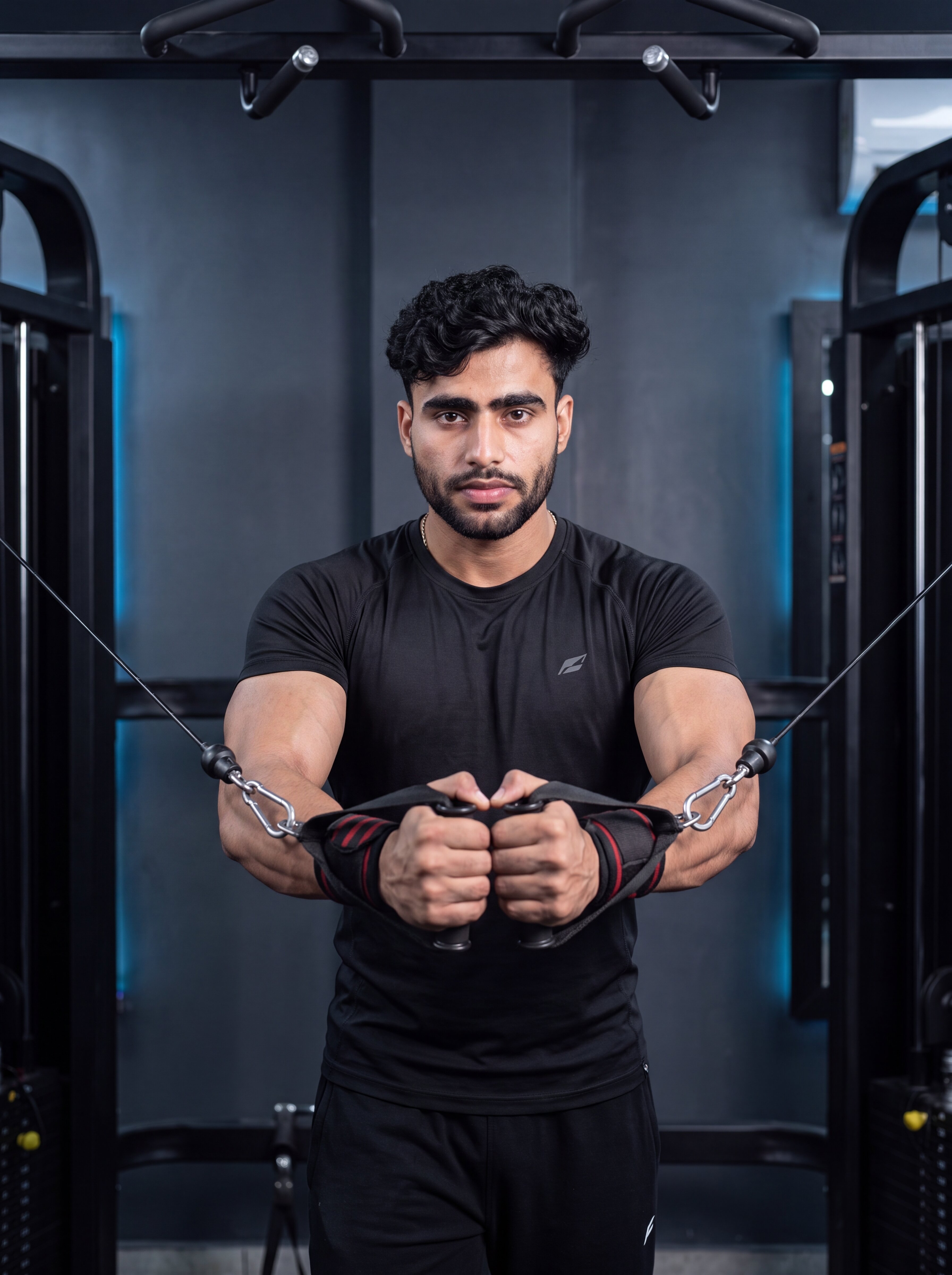
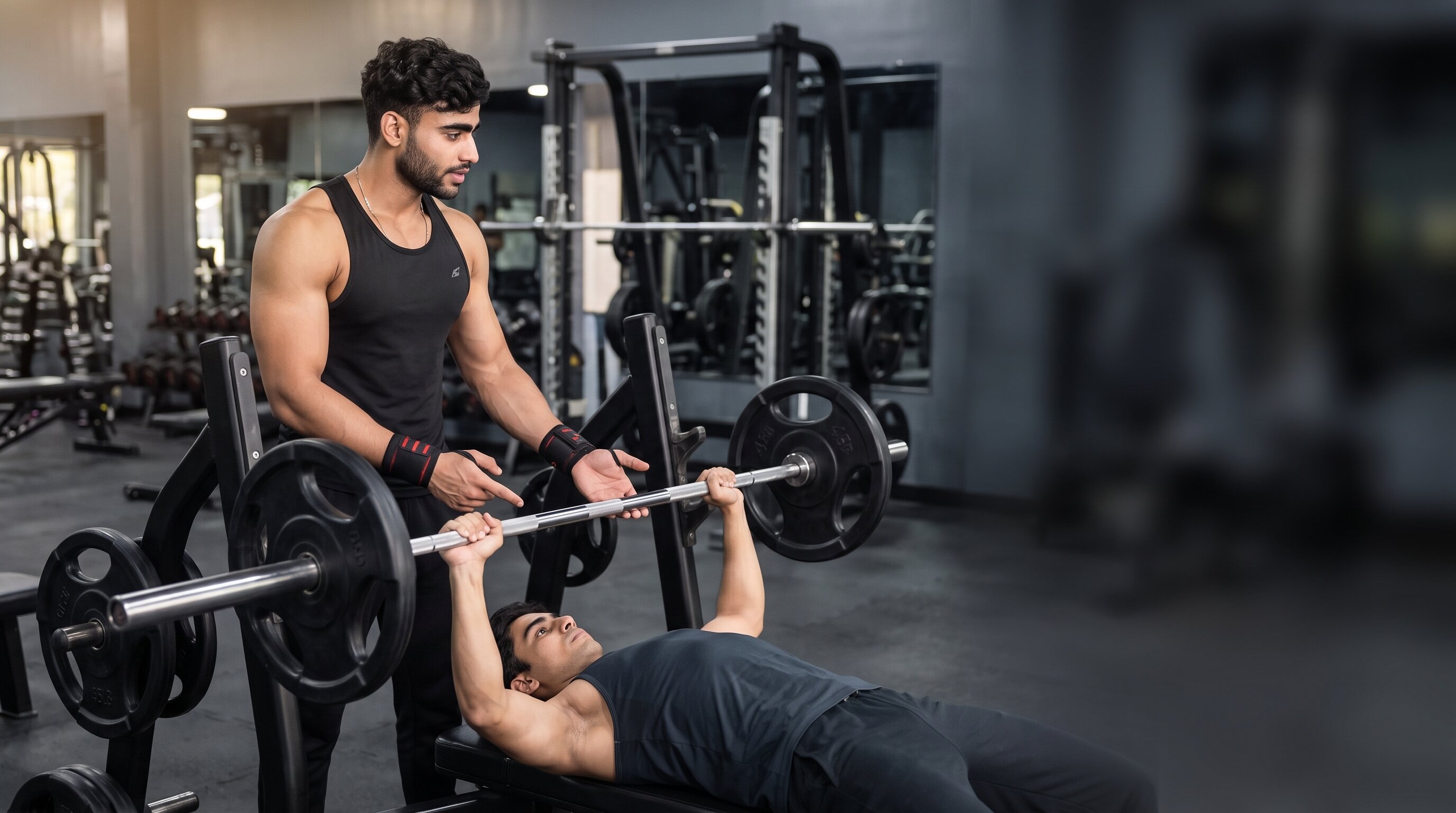
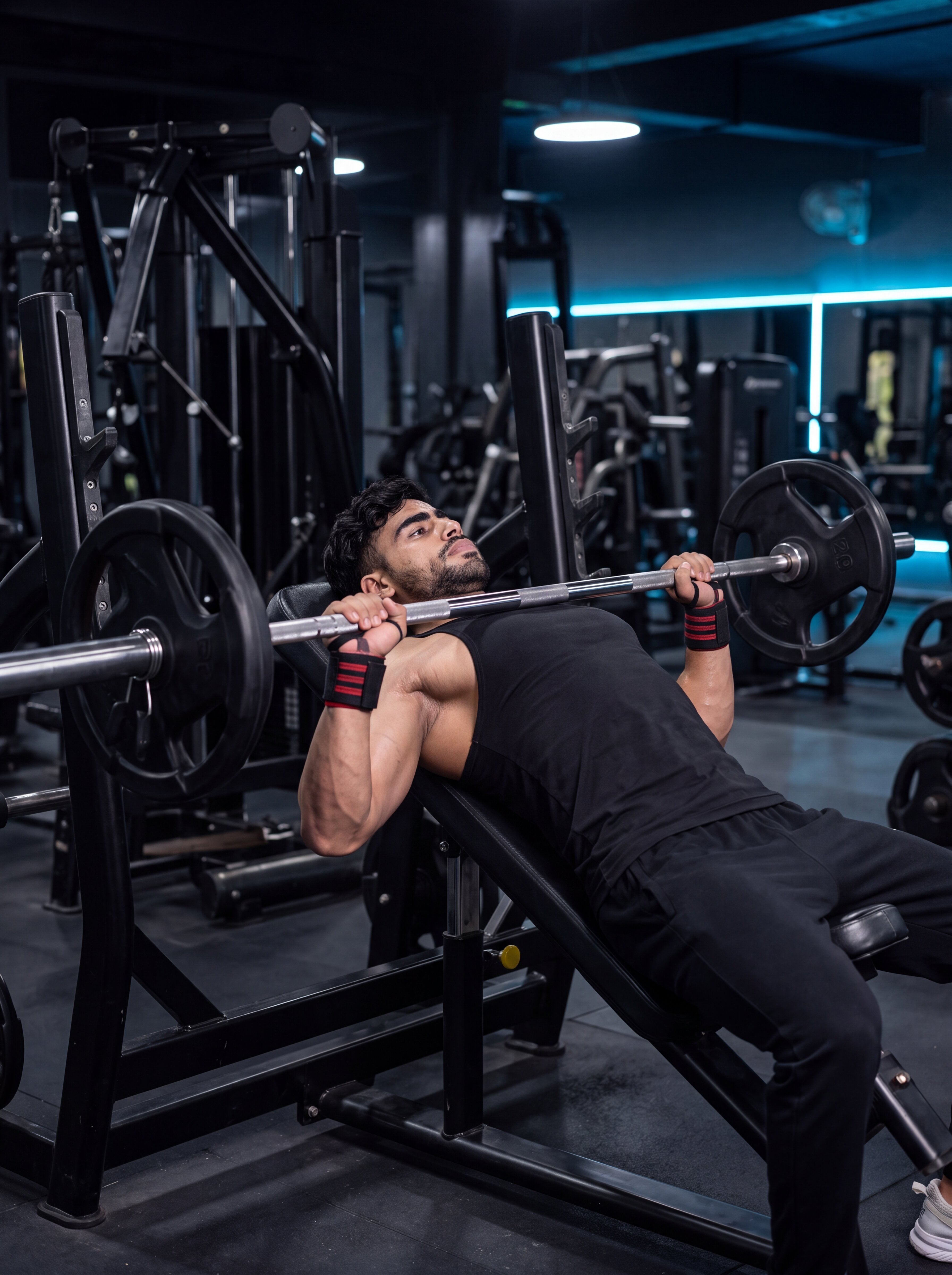
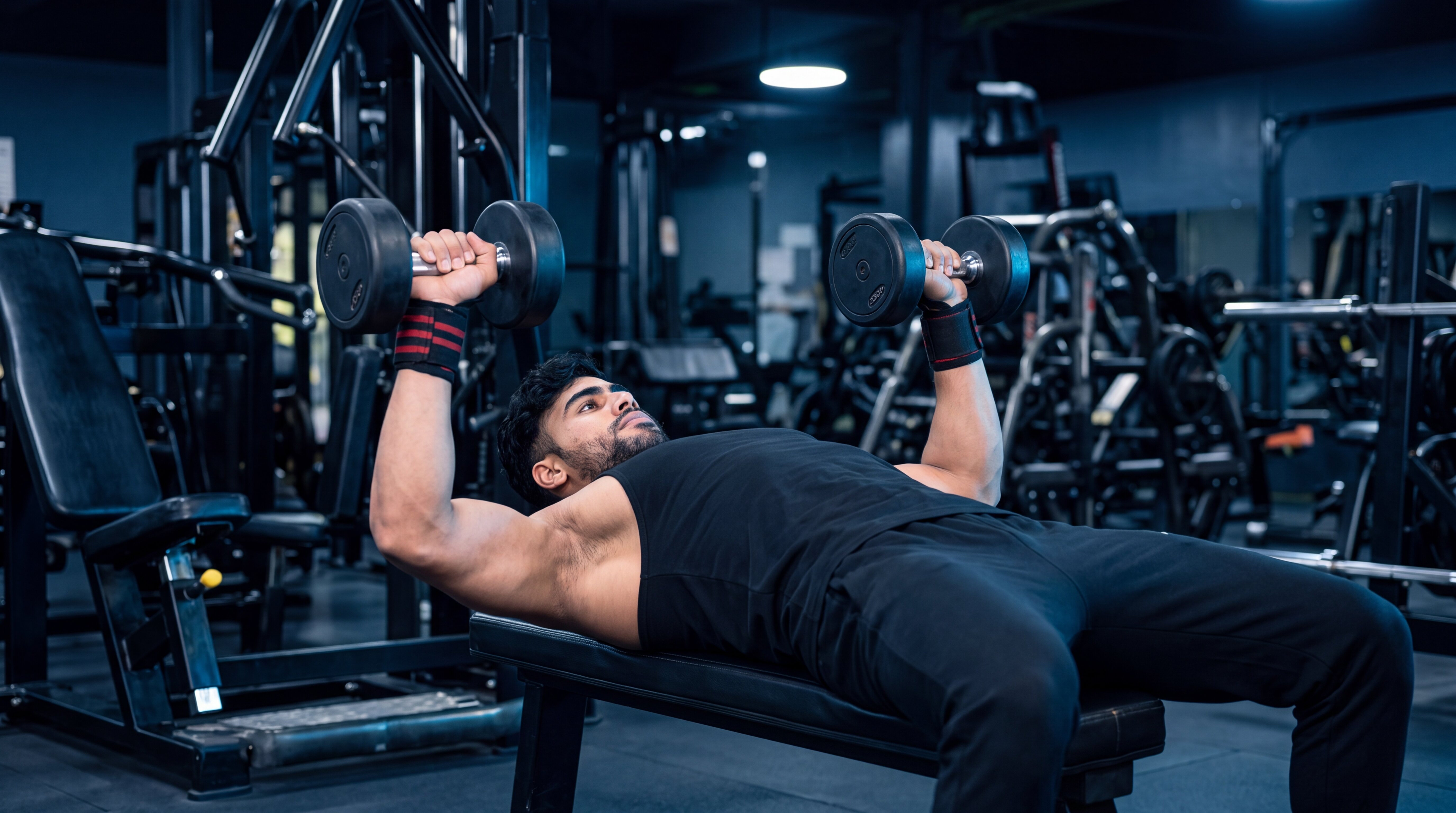
Continue building your chest training knowledge with step-by-step exercise guides covering proper technique, muscles worked, common mistakes, coaching tips, and progression strategies.


