


Primary Muscle
Upper Chest
Build Upper-Chest Strength, Improve Pressing Power & Develop a Stronger Chest
The Incline Bench Press is a powerful compound exercise that emphasizes the upper chest while also engaging the shoulders and triceps. Learn proper technique, avoid common mistakes, and build strength with better control and confidence.
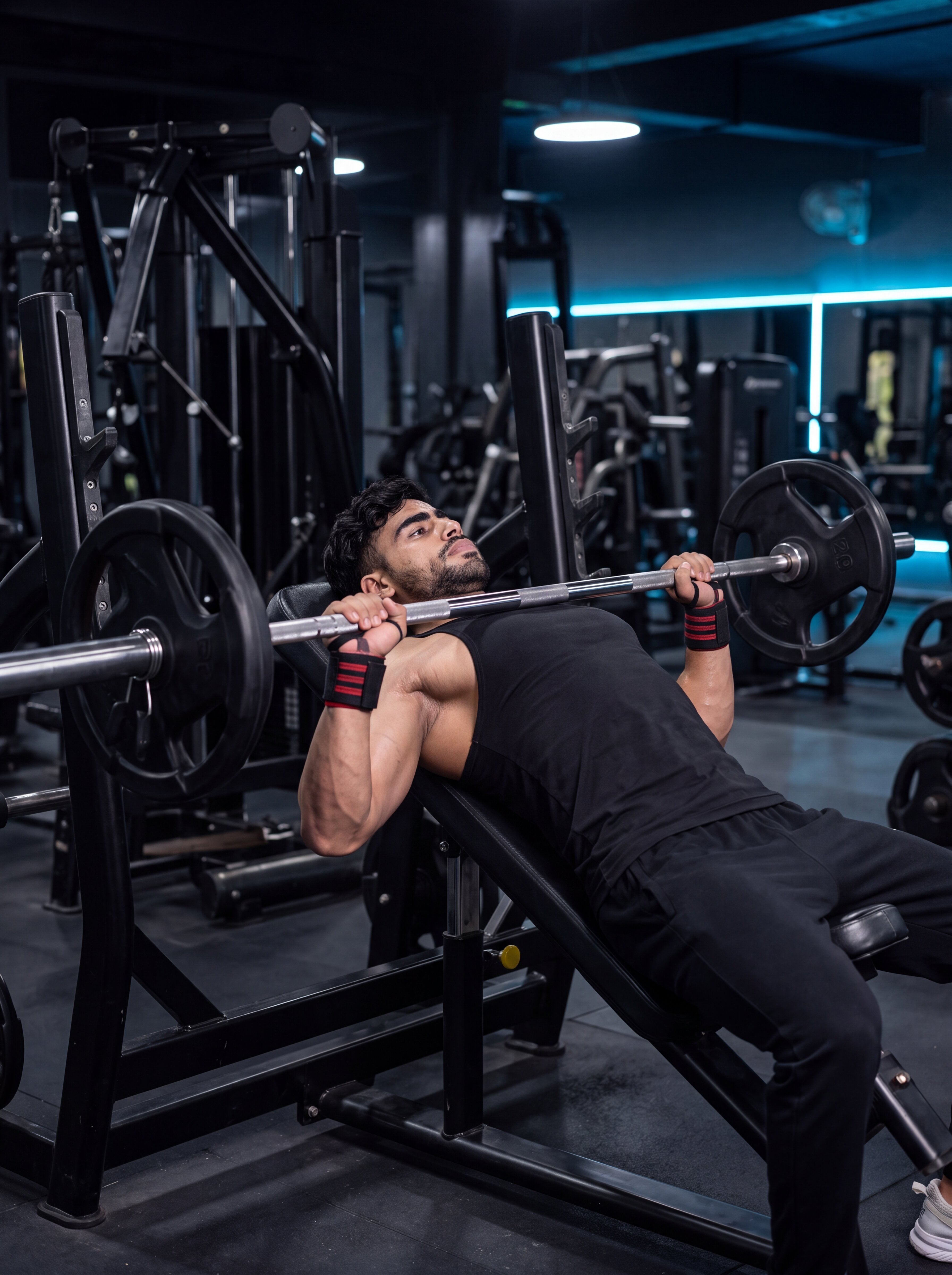
Upper Chest
Barbell & Bench
Intermediate
Compound
Understand which muscles do most of the work during the Incline Bench Press and which supporting muscles help stabilize and complete each repetition.
Upper Chest
Front Shoulder
Upper Arm
Shoulder-Girdle Stabilizer
Discover how the Incline Bench Press helps develop upper-chest strength, improve pressing performance, and build a stronger, more balanced upper body.
Emphasizes the clavicular head of the pectoralis major, helping you develop greater strength through incline pressing movements.
Places meaningful tension on the upper chest, making it a valuable exercise for developing greater muscle size and a more complete chest.
Builds strength through an angled pressing pattern that can support performance in other chest, shoulder, and upper-body pushing exercises.
Trains the anterior deltoids and triceps alongside the chest, improving strength and coordination across the major upper-body pressing muscles.
Complements flat pressing exercises by adding more emphasis to the upper chest and helping create more balanced chest development.
Develops upper-body pushing strength that can contribute to sports and activities requiring powerful pressing movements.
Follow these step-by-step instructions to perform the Incline Bench Press with better control, proper technique, and effective upper-chest engagement.
Set the incline bench to approximately 30 degrees. Lie back with your eyes positioned slightly behind the bar, keep both feet firmly planted on the floor, and maintain a stable body position.
Avoid setting the bench too steep, as a higher angle can shift more work toward the front shoulders.
Grip the bar slightly wider than shoulder-width, wrap your thumbs securely around it, and keep your wrists stacked over your forearms. Retract your shoulder blades before carefully unracking the bar.
Squeeze the bar firmly and keep your upper back tight to create a stable base for every repetition.
Take a controlled breath and lower the bar toward the upper chest. Keep your elbows at a natural angle from the torso while maintaining tension through your upper back and chest.
Do not bounce the bar off your chest. A smooth, controlled descent helps maintain tension and improves movement control.
Drive the bar upward with control until your arms are extended without aggressively locking the elbows. Keep your feet planted, upper back stable, and shoulders controlled throughout the press.
Think about pressing yourself into the bench while driving the bar upward with your chest, shoulders, and triceps working together.
Continue performing smooth, controlled repetitions while maintaining the same bench position, bar path, breathing pattern, and full-body stability. End the set before your technique begins to break down.
Prioritize consistent, high-quality repetitions before increasing the weight. Progress gradually while keeping your technique reliable.
Avoid these common technique errors to improve upper-chest engagement, maintain better control, and perform the Incline Bench Press more effectively.
Using an excessively high incline can shift more of the workload toward the front shoulders and reduce the emphasis placed on the upper chest.
Start with a moderate incline of approximately 30 degrees and maintain a stable pressing position throughout the set.
Allowing the elbows to flare too far outward can make the pressing position less efficient and may place unnecessary stress on the shoulders.
Keep your elbows at a natural angle from your torso and maintain wrists stacked over the forearms during the movement.
Lowering the bar too high toward the neck or too low toward the lower chest can disrupt your pressing mechanics and reduce movement efficiency.
Lower the bar with control toward the upper chest while keeping your forearms appropriately aligned beneath the bar.
Choosing a load that is too heavy can lead to shortened range of motion, unstable repetitions, poor bar control, and breakdown of proper technique.
Use a manageable weight that allows you to maintain consistent technique, controlled repetitions, and an appropriate range of motion.
Apply these practical coaching cues to improve your Incline Bench Press technique, maintain better control, and build strength with more consistent repetitions.
A moderate incline can help emphasize the upper chest while limiting unnecessary dominance from the front shoulders.
Start around 15–30 degrees and adjust based on your equipment, comfort, and ability to maintain proper pressing mechanics.
Keep your upper back firmly supported by the bench and maintain controlled shoulder positioning throughout every repetition.
Think about keeping your shoulder blades controlled against the bench instead of allowing your shoulders to roll forward as you press.
A controlled lowering phase helps you maintain a consistent bar path, stable positioning, and better awareness of your technique.
Lower the bar smoothly toward the upper chest and avoid bouncing, dropping, or rushing through the bottom position.
Progressive overload is valuable, but adding weight should not come at the expense of control, range of motion, or consistent pressing mechanics.
Increase the load gradually only when you can complete your target repetitions with reliable technique and control.
Progress from learning the basic setup to building greater strength with a structured approach that prioritizes technique, control, and gradual overload.
Learn to set the bench at an appropriate incline, establish a secure grip, plant your feet firmly, and create a stable upper-back position before adding challenging resistance.
Bench angle, grip position, foot stability, shoulder control, and a repeatable starting position.
Use manageable resistance and focus on lowering the bar smoothly toward the upper chest while maintaining a consistent pressing position throughout every repetition.
Controlled tempo, consistent bar path, appropriate range of motion, and stable body positioning.
Gradually increase resistance while preserving the same reliable setup, controlled descent, stable upper back, and consistent pressing mechanics you developed during the earlier stages.
Quality repetitions, gradual load increases, consistent technique, and appropriate recovery.
Continue progressing through planned increases in resistance, repetitions, or training volume while maintaining control and avoiding unnecessary technique breakdown.
Sustainable progression, measurable performance, consistent execution, and long-term strength development.
Find clear answers to common questions about Incline Bench Press technique, bench angle, muscles worked, training volume, and exercise selection.
The Incline Bench Press primarily emphasizes the clavicular head of the pectoralis major, commonly referred to as the upper chest. The anterior deltoids and triceps brachii also contribute significantly to the pressing movement.
A moderate incline is generally a practical choice. Around 30 degrees is commonly used to emphasize the upper chest while limiting excessive involvement from the front shoulders. The ideal setting can vary slightly depending on the bench design, individual anatomy, and comfort.
The bar should generally descend under control toward the upper-chest region while your wrists remain stacked appropriately over your forearms. Avoid forcing the bar toward the neck or excessively low on the torso.
Neither exercise is universally better. The Incline Bench Press places greater emphasis on the upper-chest region, while the Flat Bench Press provides a different pressing angle and chest-training stimulus. Both can be valuable depending on your goals and training program.
Yes. Beginners can perform the Incline Bench Press when they use manageable resistance and first learn proper setup, grip, bar path, and body positioning. A spotter or appropriate safety equipment is advisable when training with a barbell, especially as loads become more challenging.
The appropriate number of sets and repetitions depends on your training experience, goals, recovery, and overall program. For general muscle development, a common starting point is 3–4 working sets of approximately 6–12 controlled repetitions using a load that allows consistent technique.
Explore other chest exercises that complement the Incline Bench Press and help you build strength across different pressing angles and movement patterns.
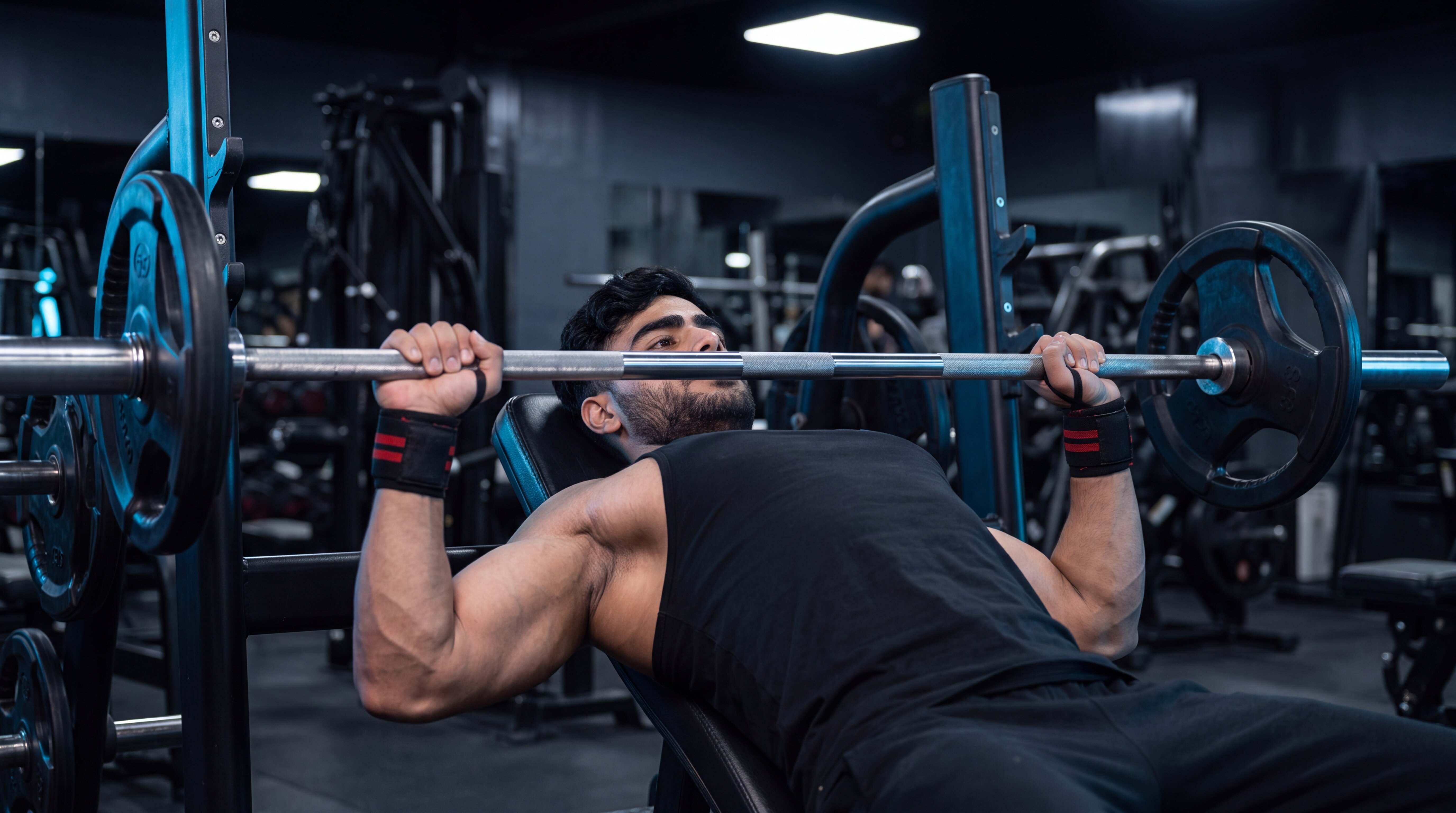



Continue building your chest training knowledge with step-by-step exercise guides covering proper technique, muscles worked, common mistakes, coaching tips, and progression strategies.


