


Primary Muscle
Chest
Build Chest Muscle, Maintain Continuous Tension & Improve Controlled Chest Contraction
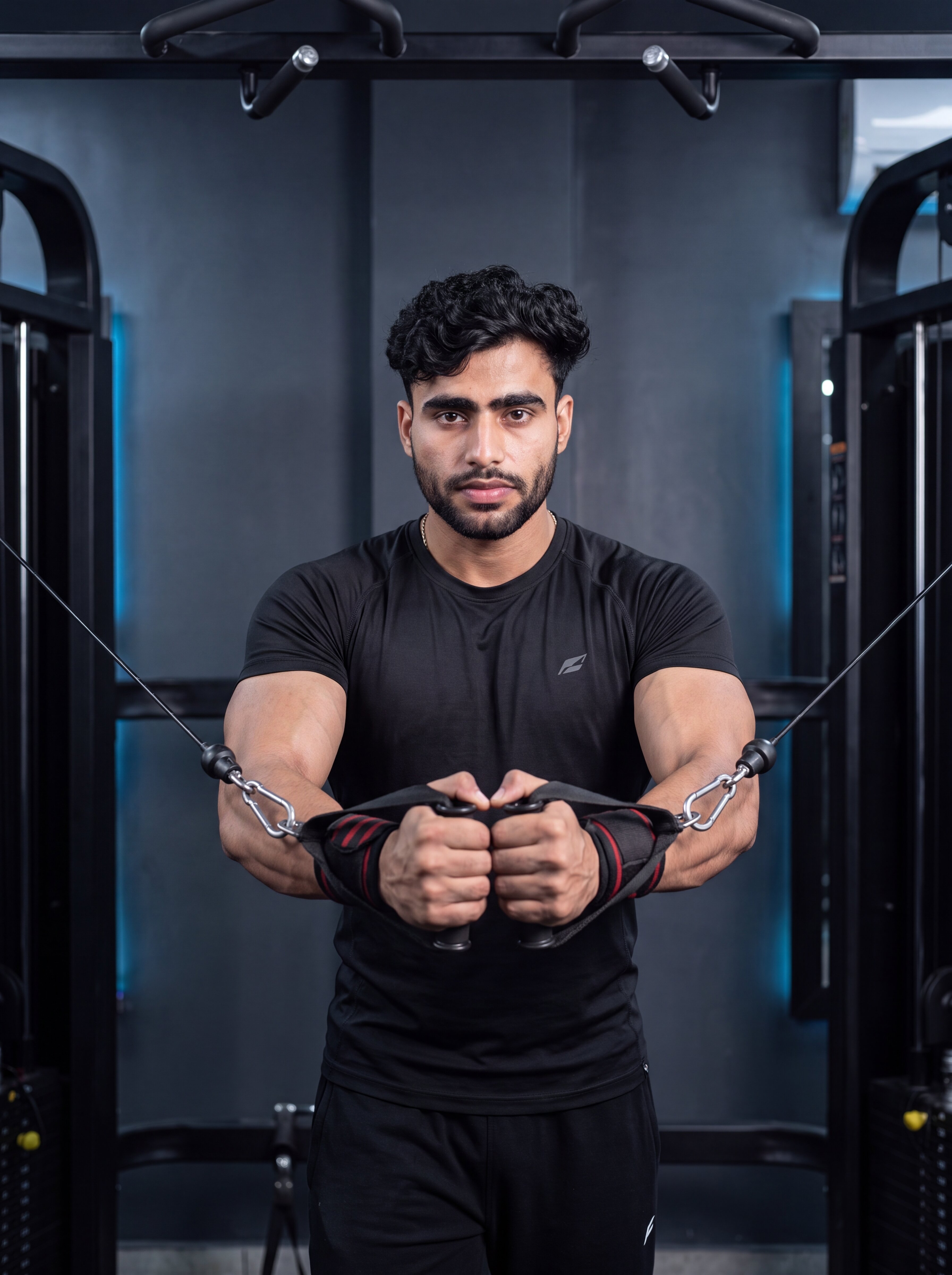
The Cable Chest Fly is an effective isolation exercise that targets the chest through a controlled hugging motion while maintaining continuous cable resistance throughout the movement. Learn proper technique, avoid common mistakes, and develop better chest control with consistent execution.
Chest
Cable Machine
Beginner
Isolation
Understand which muscles do most of the work during the Cable Chest Fly and which supporting muscles help stabilize, control, and complete each repetition.
Chest
Upper Chest
Front Shoulder
Shoulder-Girdle Stabilizer
Discover how the Cable Chest Fly helps isolate the chest, maintain continuous muscular tension, improve movement control, and complement your compound pressing exercises.
Emphasizes the pectoralis major through a controlled hugging motion, allowing the chest to perform most of the work without relying on heavy pressing mechanics.
Cable resistance can maintain meaningful tension throughout much of the movement, including the shortened position as the hands come together in front of the chest.
The controlled fly movement encourages you to bring the arms across the body with deliberate chest engagement and better awareness of each repetition.
Each arm controls its own cable handle, helping you maintain balanced movement and identify noticeable differences in control between the left and right sides.
Changing the pulley height and arm path allows different Cable Chest Fly variations to emphasize the chest from different angles while preserving the same basic fly movement pattern.
Adds an isolation-based movement to chest training, complementing exercises such as the Bench Press and Dumbbell Press with a different resistance profile and movement pattern.
Follow these step-by-step instructions to perform the Cable Chest Fly with better control, proper technique, and effective chest engagement.
Set both cable pulleys approximately around shoulder height and attach a single handle to each side. Select a manageable resistance that allows you to control the full movement without losing position.
Start lighter than you think you need. The goal is to control the cables through a wide arc without turning the exercise into a press.
Hold one handle in each hand and step forward until the cables are under tension. Use a stable staggered stance, brace your core, lift your chest naturally, and keep a slight bend in both elbows.
Keep your torso stable and avoid using excessive forward lean or body momentum to move the resistance.
Allow your arms to move outward through a wide, controlled arc until you feel a comfortable stretch across the chest. Maintain the same slight bend in your elbows and keep your shoulders controlled.
Do not force your arms excessively behind your body. Use a comfortable range of motion that allows you to maintain control and stable shoulder positioning.
Contract your chest and bring both handles forward through a controlled hugging arc until your hands come close together in front of the mid-chest. Maintain the same elbow angle throughout the motion.
Think about bringing your upper arms toward each other rather than simply pulling with your hands. This helps maintain the intended fly movement.
Return your arms outward slowly and repeat the movement with the same controlled arc, stable torso, slight elbow bend, and consistent range of motion. End the set before your technique begins to break down.
Prioritize smooth, controlled repetitions over heavier resistance. Increase the load gradually only when you can maintain reliable technique.
Avoid these common technique errors to improve chest engagement, maintain better control, and perform the Cable Chest Fly more effectively.
Choosing excessive resistance can make it difficult to control the cables, maintain a consistent arm path, and keep the intended tension on the chest muscles.
Use a manageable resistance that allows you to perform smooth repetitions through a comfortable range of motion without relying on momentum.
Excessively bending and extending the elbows changes the movement from a chest fly into a pressing pattern and increases the contribution of other pressing muscles.
Maintain a slight and consistent bend in your elbows while moving both arms through a wide, controlled hugging arc.
Allowing the arms to travel excessively far behind the body can reduce control and place unnecessary stress on the shoulder joint.
Open your arms only as far as you can comfortably maintain stable shoulder positioning and controlled tension through the chest.
Rocking the torso, swinging the arms, or shifting your body excessively can reduce movement control and make it harder to keep consistent tension on the chest.
Use a stable staggered stance, brace your core, and keep your torso controlled while your arms perform the movement through a smooth arc.
Apply these practical coaching cues to improve your Cable Chest Fly technique, maintain better chest tension, and perform each repetition with greater control and consistency.
Keep a slight bend in both elbows and maintain that angle throughout the movement to preserve the intended fly pattern.
Your elbows should remain softly bent rather than repeatedly bending and straightening as they would during a pressing exercise.
Focus on moving your upper arms toward each other through a wide hugging arc instead of simply pulling the cable handles with your hands.
Think about squeezing your chest to bring the arms forward while keeping your shoulders controlled and your torso stable.
Move smoothly in both directions so you can maintain tension as the chest lengthens and as the handles come together in front of your body.
Do not rush the return or force an excessive stretch. Use a comfortable range of motion that allows stable shoulder positioning and consistent control.
Increasing resistance can support progression, but heavier weight should not cause excessive elbow bending, torso movement, or shortened repetitions.
Increase the resistance gradually only when you can maintain a stable torso, consistent elbow angle, controlled range of motion, and smooth repetitions.
Progress from learning the basic cable setup to performing controlled repetitions with greater resistance and more advanced variations while maintaining proper technique.
Learn to set both pulleys at an appropriate height, select manageable resistance, establish a stable staggered stance, and create a repeatable starting position before performing challenging repetitions.
Pulley height, stable stance, braced core, controlled shoulders, and a consistent slight bend in both elbows.
Use light to moderate resistance and focus on moving both arms through a smooth hugging arc while maintaining a stable torso, consistent elbow angle, and comfortable range of motion.
Controlled tempo, consistent arm path, chest engagement, stable shoulder positioning, and smooth repetitions in both directions.
Gradually increase cable resistance while preserving the same stable stance, controlled arm path, slight elbow bend, and smooth chest-focused movement developed during the earlier stages.
Quality repetitions, gradual resistance increases, consistent technique, full control, and avoiding excessive body momentum.
Once you can perform the standard Cable Chest Fly with reliable technique, explore variations using different pulley heights and arm paths to introduce different training angles and challenges.
High-to-low cable fly variations, low-to-high cable fly variations, controlled execution, appropriate resistance, and purposeful exercise selection.
Find clear answers to common questions about Cable Chest Fly technique, pulley height, muscles worked, elbow position, training volume, and exercise selection.
The Cable Chest Fly primarily targets the pectoralis major, which forms the main chest musculature. The upper-chest fibers, anterior deltoids, and serratus anterior also contribute to the movement and help control the shoulder girdle.
For a standard Cable Chest Fly, setting the pulleys approximately around shoulder height is a practical starting point. Different pulley heights can change the direction of resistance and create variations such as high-to-low or low-to-high cable flies.
Keep a slight, comfortable bend in both elbows and maintain approximately the same elbow angle throughout the repetition. Excessively bending and extending the elbows can turn the exercise into more of a pressing movement rather than a true chest fly.
Neither exercise is universally better. Cable resistance can maintain tension through more of the movement, including when the hands come together, while the Dumbbell Fly provides a different resistance profile. The better choice depends on your goals, equipment, comfort, and overall training program.
Yes. Beginners can perform the Cable Chest Fly when they use manageable resistance and first learn proper pulley setup, stable body positioning, a consistent elbow angle, and a controlled range of motion. Starting with lighter resistance can make it easier to learn the movement correctly.
The appropriate number of sets and repetitions depends on your training experience, goals, recovery, and overall program. For general muscle development, a common starting point is approximately 2–4 working sets of 8–15 controlled repetitions using resistance that allows consistent technique and a comfortable range of motion.
Explore other chest exercises that complement the Cable Chest Fly and help you build strength, muscle, and control through different pressing angles and movement patterns.
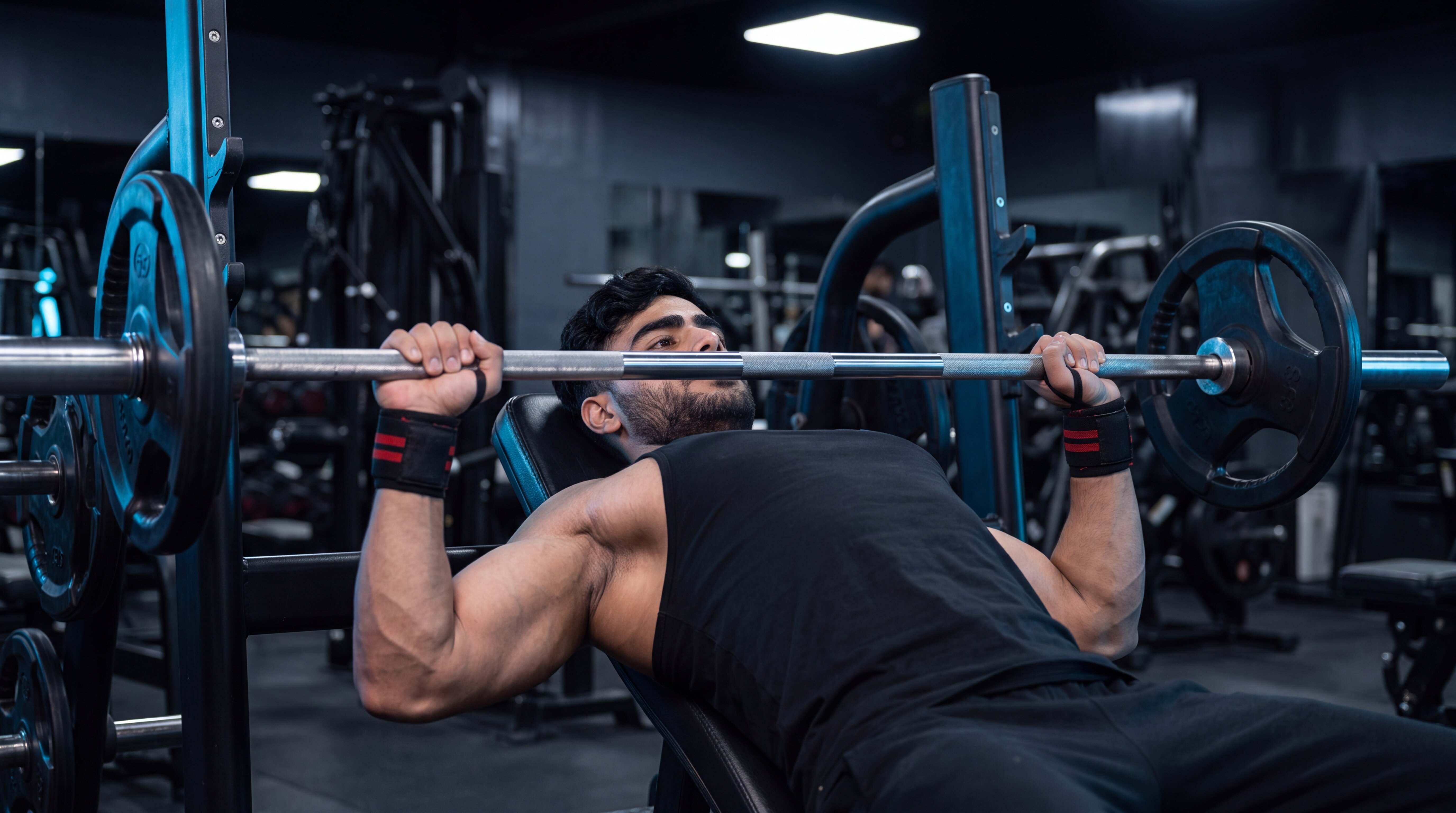
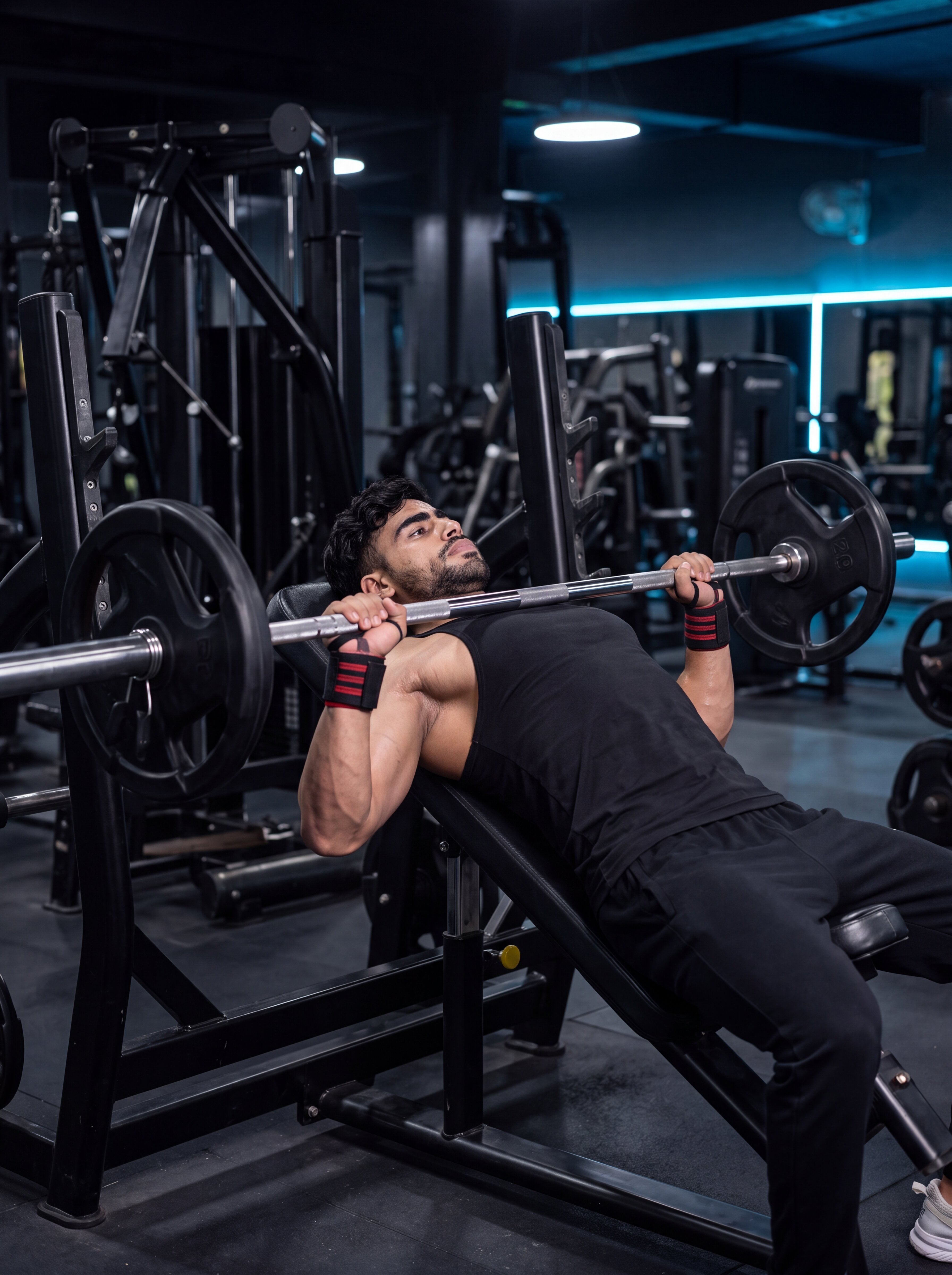
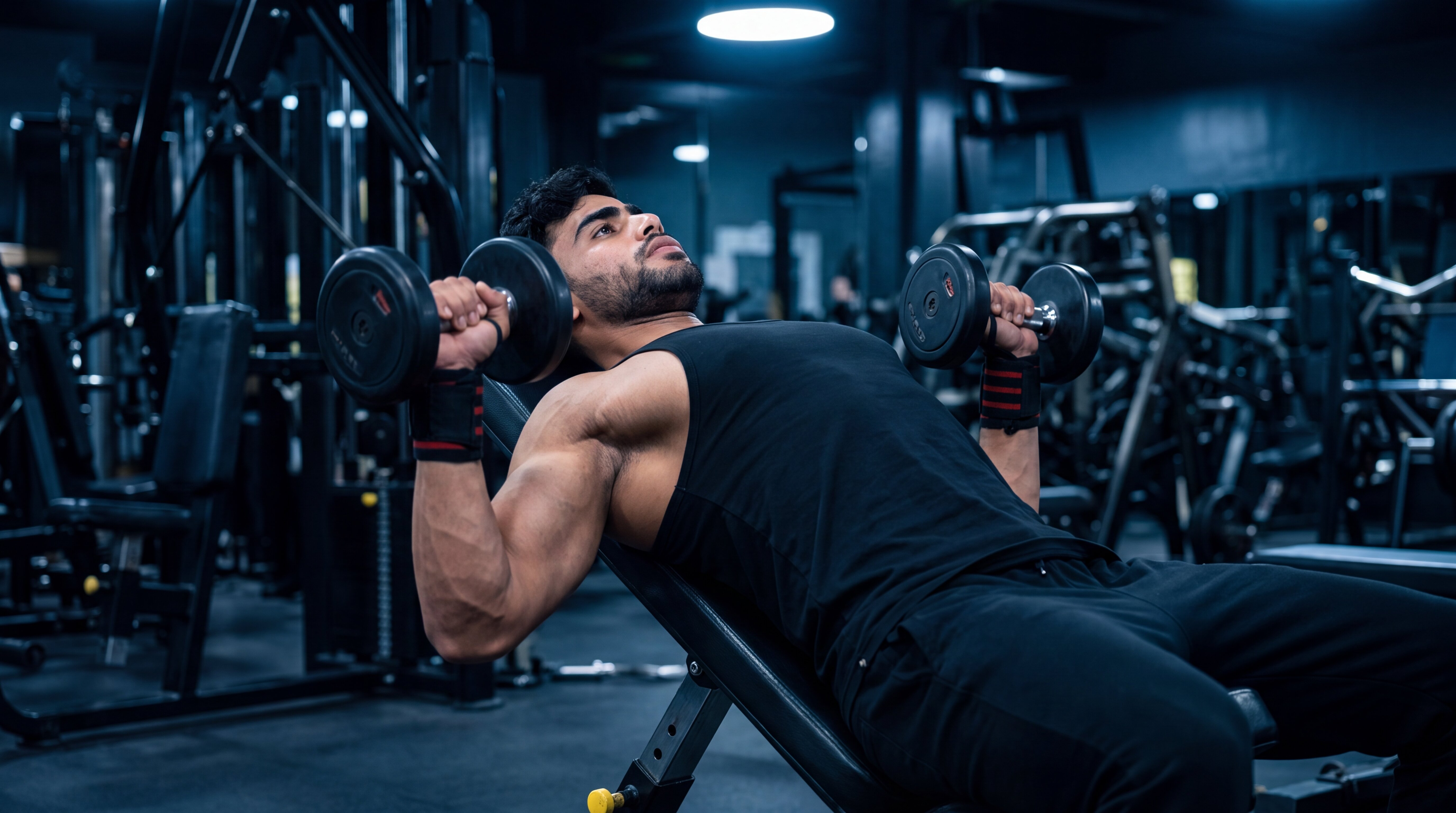
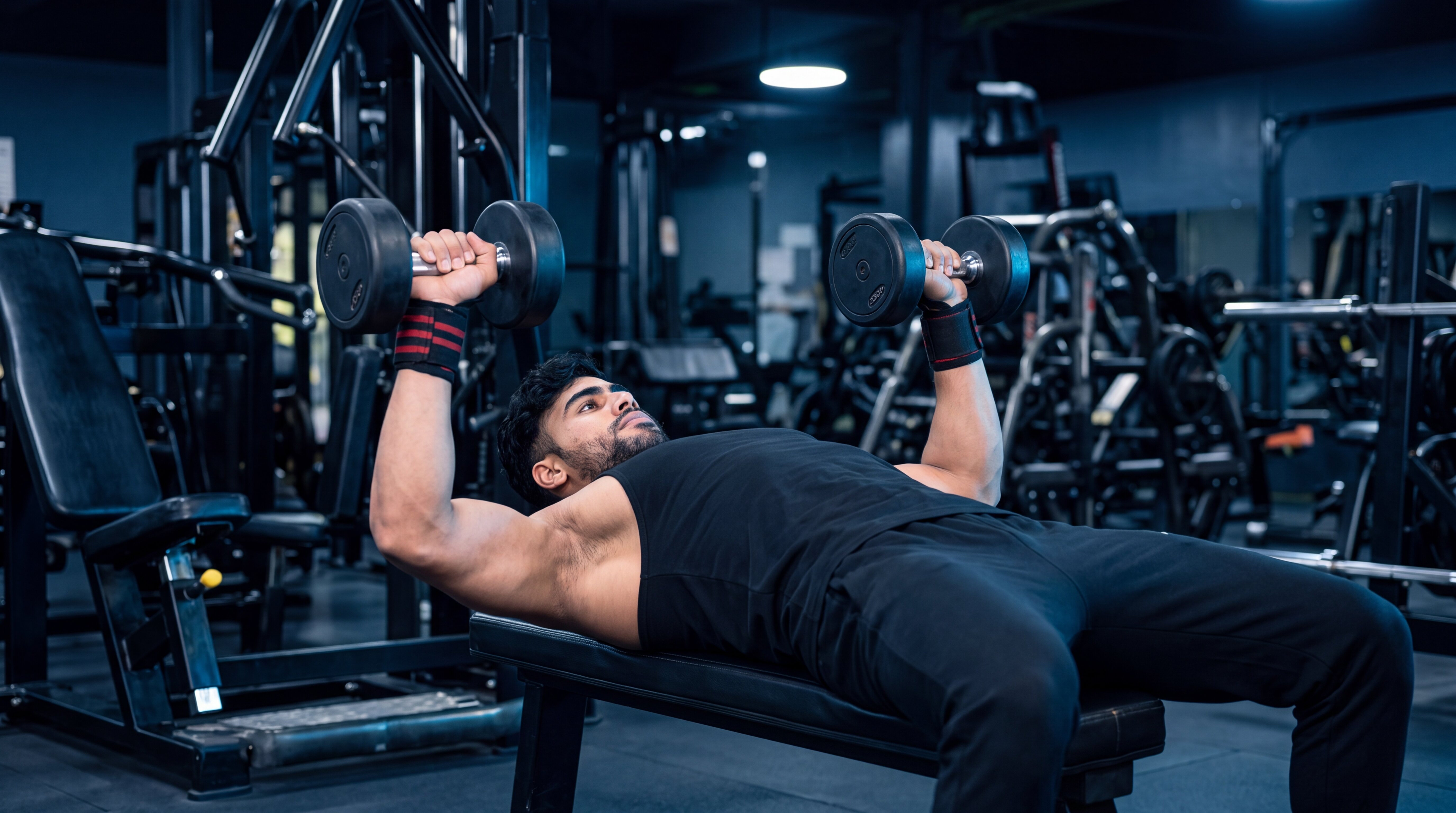
Continue building your chest training knowledge with step-by-step exercise guides covering proper technique, muscles worked, common mistakes, coaching tips, and progression strategies.


