


Primary Muscle
Quadriceps & Glutes
Build Stronger Legs, Better Balance, and Functional Lower-Body Strength
The Walking Lunge is one of the most effective unilateral lower-body exercises for developing the quadriceps, glutes, hamstrings, and calves while improving balance, coordination, and core stability. By stepping forward with each repetition, this functional movement builds leg strength, enhances athletic performance, corrects muscular imbalances, and promotes better movement mechanics for sports and everyday activities.

Quadriceps & Glutes
Bodyweight or Dumbbells
Intermediate
Compound
Discover which muscles power the Walking Lunge and how the supporting muscle groups improve lower-body strength, balance, coordination, and stability while enhancing functional movement through this highly effective compound exercise.
Lower-Body Strength & Hip Extension
Assist Hip Extension & Knee Flexion
Improve Balance & Ankle Stability
Maintains Balance, Stability & Upright Posture
Discover how the Walking Lunge builds lower-body strength, improves balance and coordination, enhances athletic performance, corrects muscle imbalances, and develops stronger, more functional legs through unilateral compound training.
The Walking Lunge strengthens the quadriceps, glutes, hamstrings, and calves simultaneously, promoting balanced lower-body muscle development.
Performing each repetition on one leg enhances balance, coordination, and body control during both athletic activities and daily movement.
Walking Lunges mimic natural movement patterns, helping improve walking, running, climbing stairs, and overall lower-body performance.
Training one leg at a time helps identify and reduce strength differences between the left and right sides, improving movement quality.
Stronger legs, improved stability, and better coordination contribute to faster sprinting, higher jumping, and greater power production.
Maintaining an upright posture throughout the movement challenges the core muscles, improving stability, posture, and overall movement efficiency.
Follow these step-by-step instructions to perform the Walking Lunge with proper posture, controlled movement, and balanced foot placement to maximize lower-body strength, improve stability, and reduce the risk of injury.
Stand upright with your feet hip-width apart. Keep your chest up, shoulders back, and core engaged. Hold dumbbells at your sides if using additional resistance.
Maintain a neutral spine before taking your first step.
Take a comfortable step forward with one leg. Lower your body until both knees reach approximately 90 degrees while keeping your front knee aligned over your foot.
Avoid letting your front knee collapse inward during the descent.
Drive through the heel of your front foot to stand up while engaging your quadriceps and glutes. Keep your torso upright throughout the movement.
Focus on using your front leg instead of pushing off with the back foot.
Bring your back leg forward into the next lunge and continue alternating legs while maintaining smooth, controlled steps.
Keep every step controlled rather than rushing through the movement.
Continue alternating legs for the desired number of repetitions or distance while maintaining proper posture, balance, and full control during every step.
Prioritize perfect technique before increasing weight or walking distance.
Avoid these common technique mistakes to maximize leg strength, improve balance, protect your knees, and perform the Walking Lunge safely and effectively.
Short steps place excessive stress on the knees and reduce glute activation, making the exercise less effective.
Take a comfortable step forward that allows both knees to bend to about 90 degrees.
Allowing the knee to move inward increases stress on the joint and reduces lower-body stability.
Keep your knee aligned with your toes throughout every repetition.
Excessive forward lean shifts the workload away from the legs and places unnecessary stress on the lower back.
Keep your chest lifted, shoulders back, and core engaged throughout the movement.
Performing Walking Lunges too quickly reduces balance, decreases muscle activation, and increases the risk of losing proper form.
Perform each repetition slowly and with full control before stepping into the next lunge.
Apply these expert coaching cues to improve lower-body strength, balance, and movement quality while performing every Walking Lunge with better stability, control, and proper technique.
Step forward far enough so both knees bend to about 90 degrees. A proper stride improves muscle activation while reducing unnecessary knee stress.
A comfortable stride creates better balance and stronger leg engagement.
Maintain an upright torso with your shoulders back and core engaged throughout the movement to protect your lower back and improve stability.
Good posture helps you maintain balance and produce more force through your legs.
Push through the heel of your front foot to stand up. This increases glute and quadriceps activation while improving lower-body power.
Let the front leg perform most of the work instead of pushing off the back foot.
Perform each repetition slowly and smoothly while maintaining balance from start to finish. Controlled movement improves muscle activation and technique.
Master perfect form before increasing weight or walking distance.
Progress from mastering bodyweight Walking Lunges to developing greater lower-body strength, balance, and coordination by gradually increasing resistance while maintaining excellent technique.
Learn proper posture, step length, and knee alignment using only your body weight before adding resistance.
Balance, coordination, posture, and movement control.
Perform smooth, controlled repetitions while keeping your torso upright, core engaged, and every step balanced.
Stability, tempo, and consistent technique.
Once your form is consistent, perform Walking Lunges with dumbbells or a barbell to increase lower-body strength and muscular endurance.
Progressive overload, unilateral strength, and muscle growth.
Challenge yourself with heavier loads, longer walking distances, pause lunges, or deficit lunges to maximize strength, stability, and athletic performance.
Maximum lower-body strength, endurance, balance, and long-term progression.
Find answers to common questions about Walking Lunge technique, muscles worked, balance, knee safety, training frequency, and how to build stronger, more functional legs with this effective compound exercise.
Walking Lunges primarily target the quadriceps and glutes while also engaging the hamstrings, calves, and core to improve balance and stability.
Yes. When performed with proper technique, controlled movement, and appropriate step length, Walking Lunges are generally safe for healthy individuals. Keep your front knee aligned with your toes during every repetition.
Yes. Beginners should first master the exercise using only their body weight before progressing to dumbbells or other added resistance.
Perform 3–4 sets of 10–15 repetitions per leg for muscle growth. For muscular endurance, increase the repetitions or perform Walking Lunges over a longer distance while maintaining proper form.
A slight forward movement is normal depending on your body proportions, but your knee should stay aligned with your toes and never collapse inward or cause pain.
Walking Lunges are commonly performed after heavy compound exercises like squats or leg presses, or as a primary lower-body movement to improve unilateral strength, balance, and muscular endurance.
Explore other leg exercises that complement the Walking Lunge and help you build stronger quadriceps, glutes, hamstrings, and overall lower-body strength through both compound and isolation movements.

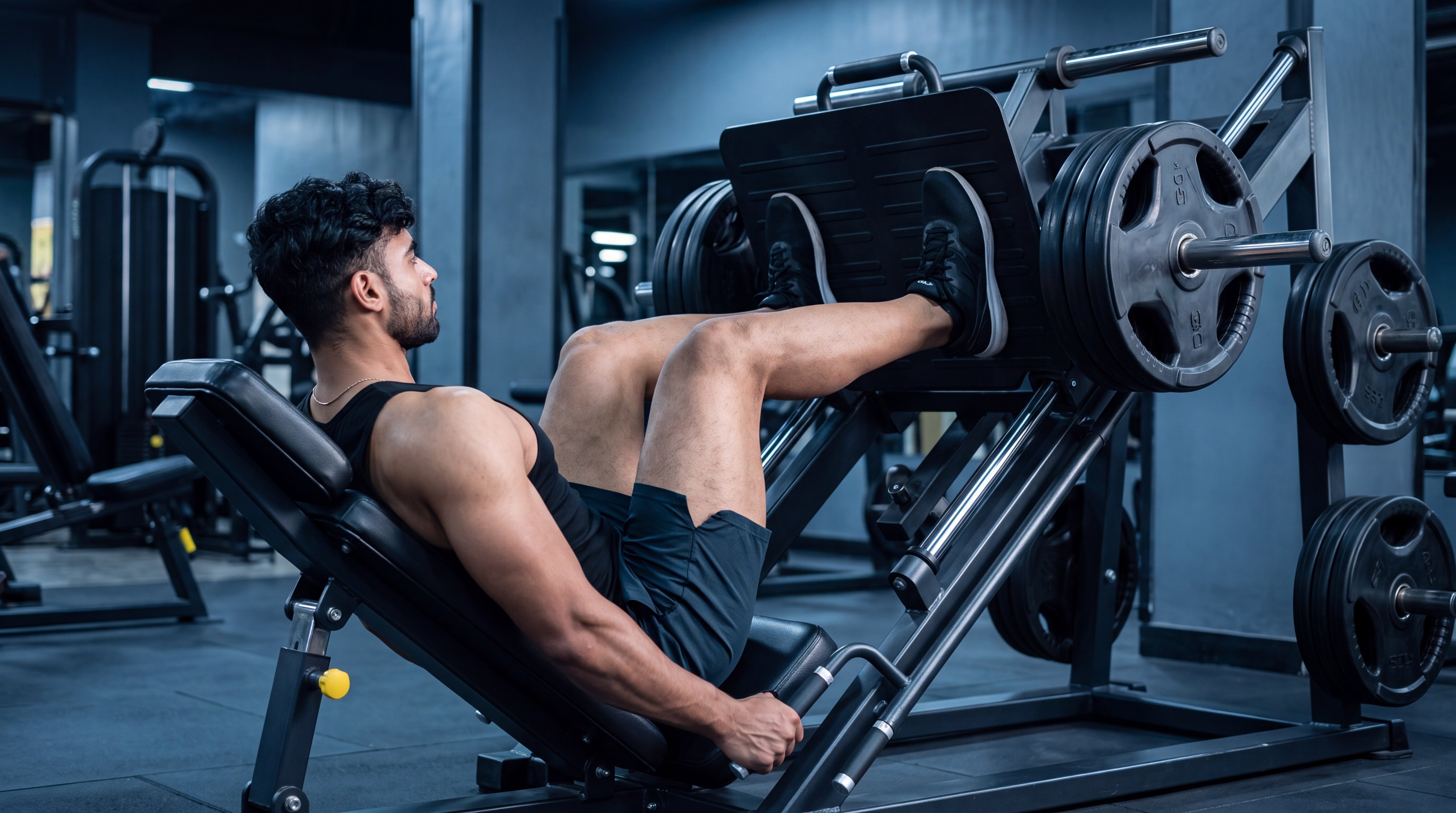
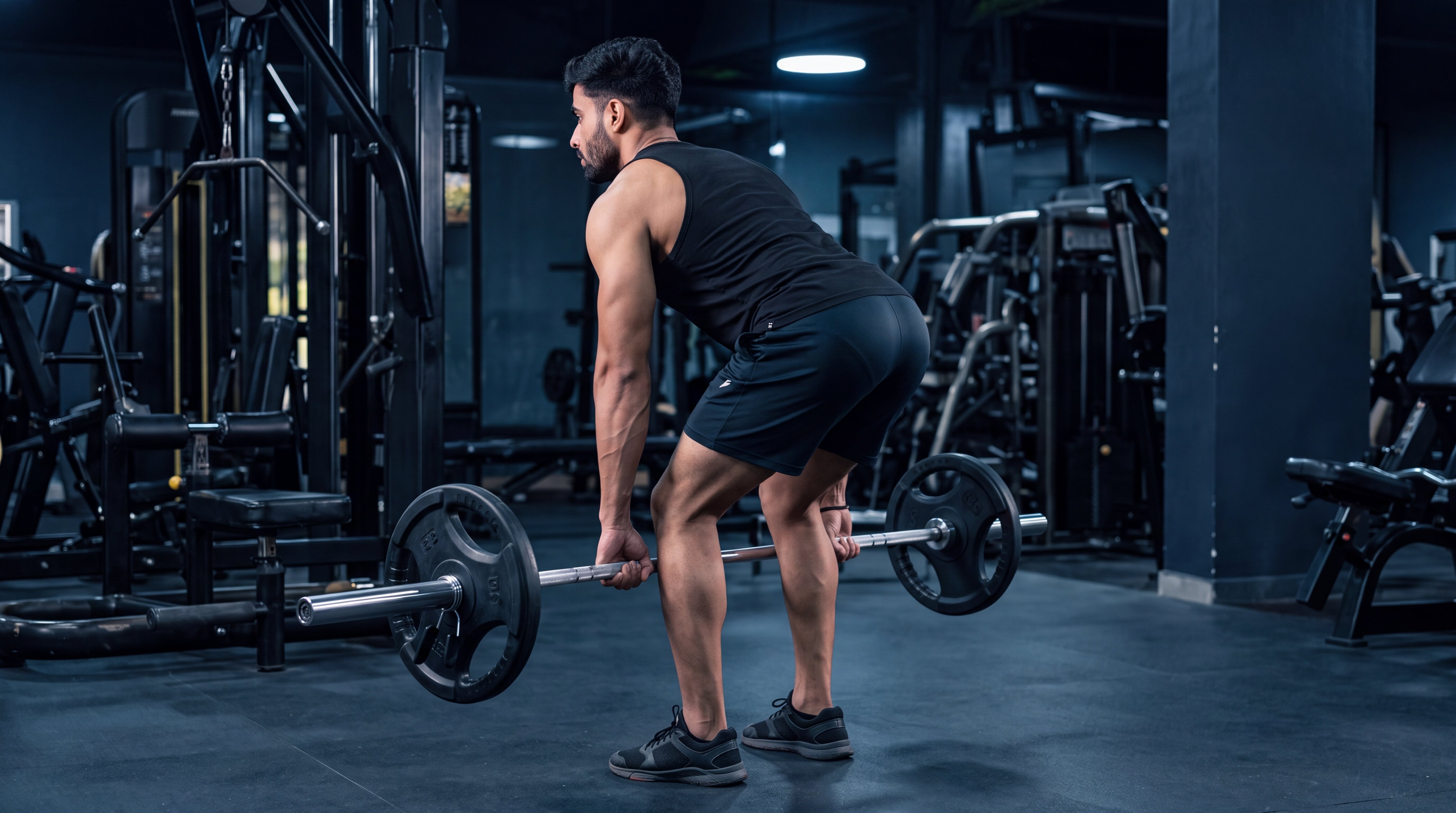
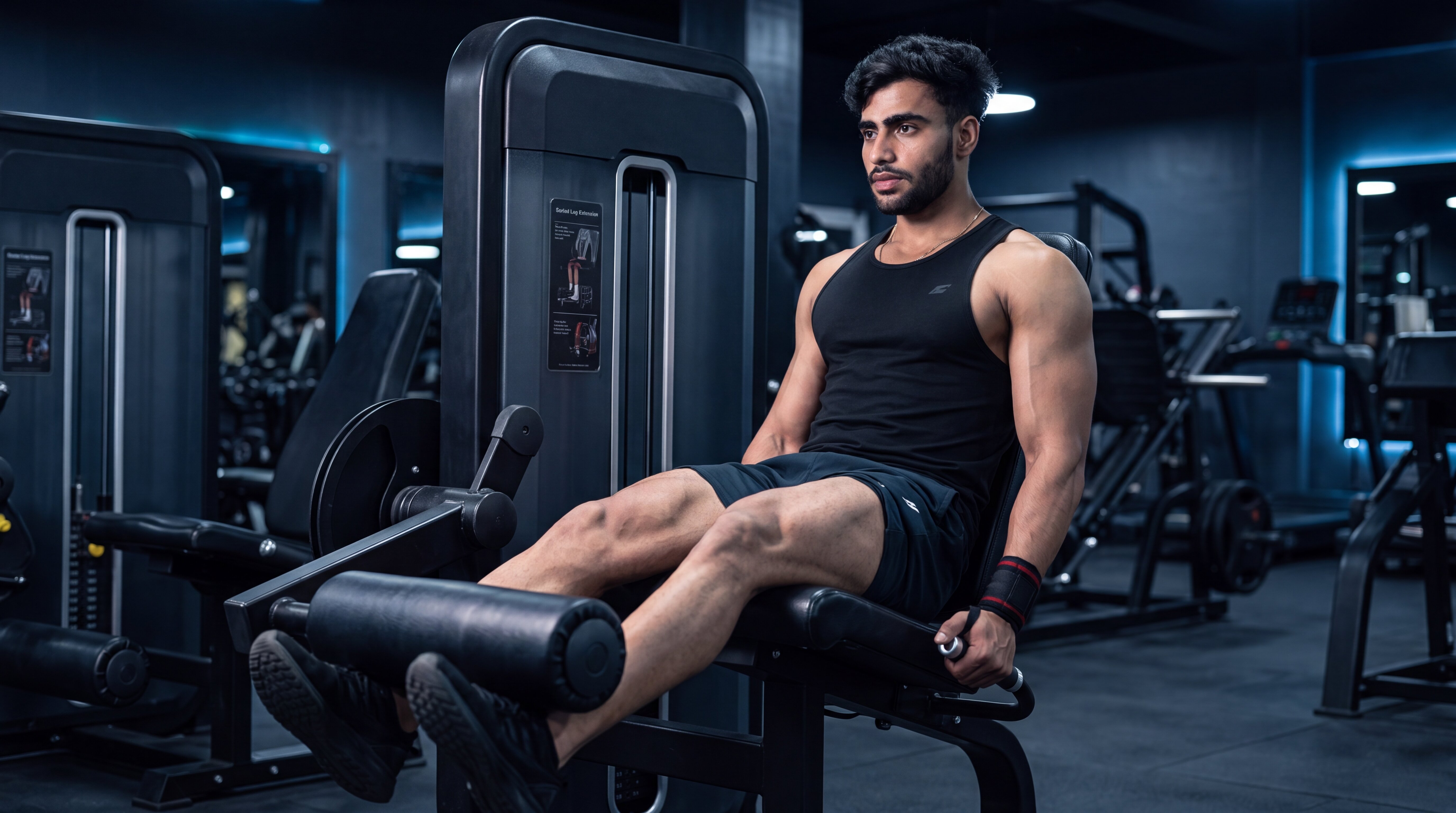
Continue building stronger legs with step-by-step exercise guides covering proper technique, muscles worked, common mistakes, expert coaching tips, and progression strategies for every fitness level.


