


Primary Muscle
Biceps Brachii
Isolate Your Biceps, Maximize Peak Contraction & Build Bigger Arms
The Preacher Curl is a highly effective isolation exercise that places your upper arms on a preacher bench to eliminate momentum and maximize biceps activation. It primarily targets the biceps brachii while also engaging the brachialis and brachioradialis. The strict movement emphasizes the stretch and peak contraction of the biceps, making it one of the best exercises for building bigger, stronger, and well-defined arms.
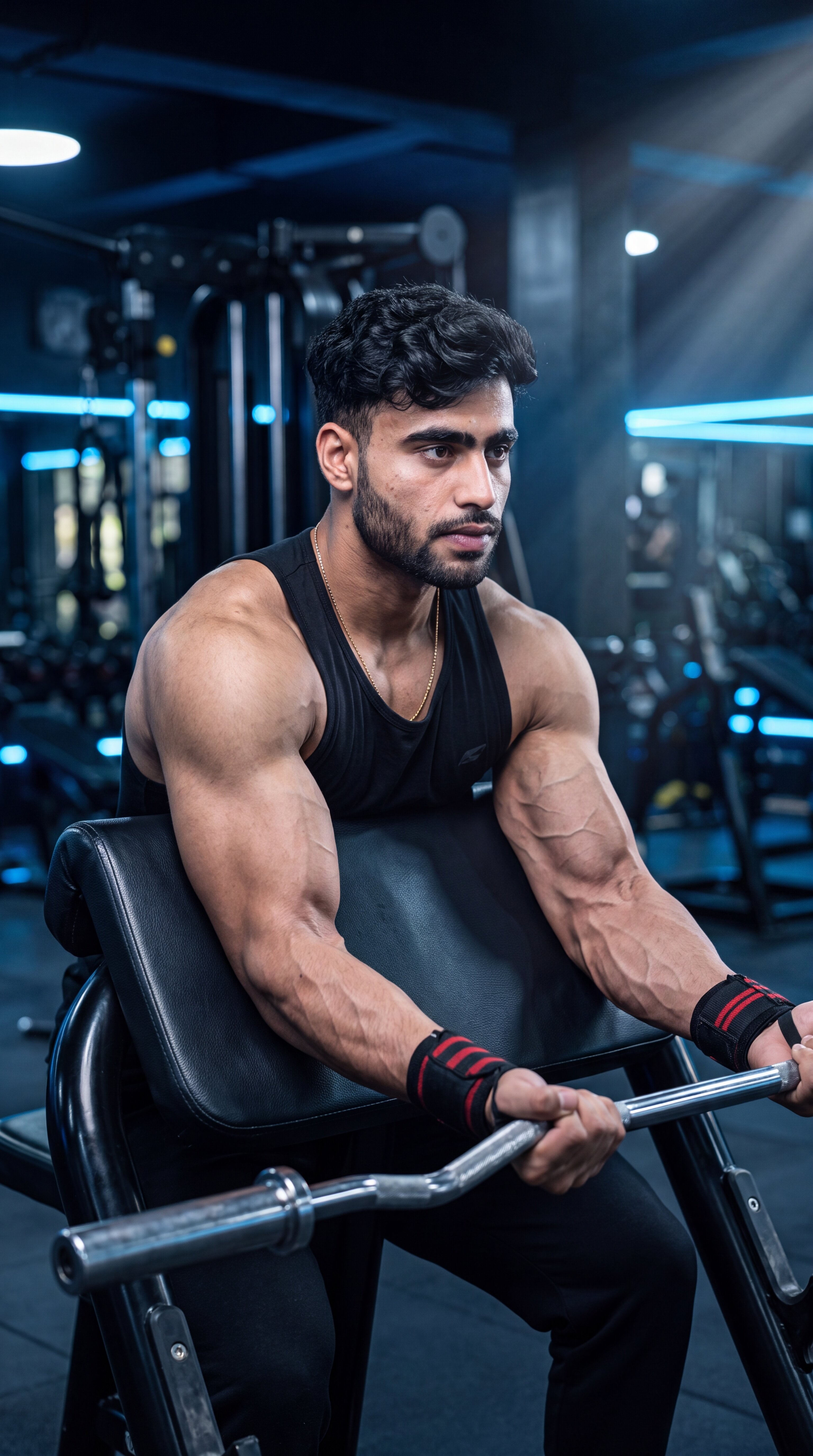
Biceps Brachii
Preacher Bench & EZ Bar
Intermediate
Isolation
Discover which muscles are primarily responsible for the Preacher Curl and which supporting muscles assist in elbow flexion, forearm stability, grip strength, and strict arm isolation to build bigger, stronger, and more defined biceps.
Front Upper Arms
Upper Arm Flexor
Forearm
Grip Muscles
Discover how the Preacher Curl helps isolate the biceps, maximize peak contraction, improve arm strength, eliminate momentum, and stimulate greater muscle growth through strict, controlled movement.
Supporting your upper arms on the preacher bench minimizes assistance from other muscles, allowing the biceps to perform nearly all of the work.
The movement places the biceps under continuous tension, allowing a stronger contraction at the top of every repetition for improved muscle development.
The preacher bench prevents body swinging, encouraging strict technique and ensuring the biceps remain the primary working muscle throughout the exercise.
The controlled movement makes it easier to focus on every repetition, helping you contract the biceps more effectively and improve training quality.
Consistent Preacher Curls increase biceps size, strength, and definition by emphasizing strict form and progressive overload.
By effectively training the biceps while also engaging the brachialis and brachioradialis, Preacher Curls contribute to stronger, fuller, and more balanced upper arms.
Follow these step-by-step instructions to perform the Preacher Curl with strict form, controlled movement, and a full range of motion to maximize biceps activation, improve peak contraction, and build bigger, stronger arms.
Sit comfortably on the preacher bench and place the backs of your upper arms firmly against the angled pad. Grip the EZ bar or barbell with an underhand grip slightly narrower than shoulder width.
Keep your upper arms in full contact with the pad throughout the exercise.
Lower the weight until your arms are almost fully extended while maintaining slight tension in your elbows. Keep your chest up and wrists straight.
Avoid locking out your elbows completely to maintain continuous muscle tension.
Flex your elbows and curl the weight toward your shoulders without lifting your upper arms off the pad. Focus on contracting your biceps throughout the movement.
Lift the weight using only your biceps and avoid using momentum.
Pause briefly at the top of the movement and squeeze your biceps as hard as possible to maximize peak contraction before lowering the weight.
Hold the contraction for one second to improve your mind-muscle connection.
Slowly lower the weight back to the starting position while maintaining complete control. Keep your upper arms against the pad and repeat for the desired number of repetitions.
Take two to three seconds during the lowering phase to increase time under tension and stimulate greater muscle growth.
Avoid these common technique mistakes to maximize biceps activation, improve peak contraction, maintain strict form, and perform the Preacher Curl safely and effectively.
Raising your upper arms away from the preacher pad reduces biceps isolation and allows other muscles to assist with the movement.
Keep the backs of your upper arms firmly against the preacher pad throughout the entire exercise.
Choosing a weight that is too heavy encourages swinging, incomplete repetitions, and poor technique, reducing the effectiveness of the exercise.
Select a weight you can lift with strict control while maintaining a full range of motion.
Stopping short of full extension or not curling the weight high enough limits biceps activation and reduces muscle growth.
Lower the weight under control and curl through the fullest comfortable range of motion on every repetition.
Dropping the weight during the lowering phase reduces time under tension and decreases overall stimulation of the biceps.
Lower the weight slowly over two to three seconds while maintaining complete control and continuous tension on the biceps.
Apply these practical coaching cues to improve your Preacher Curl technique, maximize biceps activation, increase peak contraction, and perform every repetition with strict form and complete control.
Keep the backs of your upper arms firmly against the preacher pad throughout the entire movement. This prevents momentum and maximizes biceps isolation.
Your upper arms should never lift off the preacher pad during the exercise.
Curl the weight by flexing your elbows instead of using your shoulders or body momentum. Strict technique places maximum tension on the biceps.
If you have to swing the weight, reduce the load and focus on perfect form.
Hold the top position briefly and contract your biceps as hard as possible before lowering the weight. This improves peak contraction and the mind-muscle connection.
Focus on squeezing the biceps instead of simply moving the weight.
Slowly lower the weight while keeping constant tension on the biceps. A controlled eccentric phase increases time under tension and promotes greater muscle growth.
Lower the weight over two to three seconds and avoid letting gravity do the work.
Progress from learning proper Preacher Curl mechanics to building stronger, fuller biceps, improving peak contraction, and advancing to more challenging biceps exercises for complete arm development.
Start with a light barbell, EZ bar, or dumbbell to learn proper arm positioning, elbow stability, and controlled movement while keeping your upper arms firmly against the preacher pad.
Strict form, elbow stability, full range of motion, and controlled repetitions.
Perform slow, controlled repetitions with a brief pause at the top to increase peak contraction, improve the mind-muscle connection, and eliminate momentum.
Biceps isolation, peak contraction, controlled tempo, and muscle awareness.
Gradually increase the resistance while maintaining strict technique to build stronger, fuller biceps without sacrificing form or range of motion.
Progressive overload, biceps hypertrophy, controlled eccentric movement, and strength development.
Once you've mastered the Preacher Curl, incorporate advanced variations such as Incline Dumbbell Curls, Cable Curls, Concentration Curls, Zottman Curls, or Heavy Barbell Curls to further improve biceps size, peak, strength, and overall arm development.
Complete biceps development, peak enhancement, advanced hypertrophy, and long-term strength progression.
Find clear answers to common questions about the Preacher Curl, including proper technique, muscles worked, preacher bench setup, training frequency, and progression for building bigger, stronger, and more defined biceps.
The Preacher Curl primarily targets the biceps brachii while also engaging the brachialis and brachioradialis. The preacher bench minimizes momentum, allowing greater biceps isolation and muscle activation.
The preacher bench supports your upper arms, reducing body momentum and shoulder involvement. This places more direct tension on the biceps throughout the movement.
Both options are effective. An EZ bar is often more comfortable on the wrists, while a straight bar may provide a slightly greater challenge for the biceps depending on your mobility and comfort.
Yes. Beginners should start with light resistance, focus on strict form, keep their upper arms firmly against the preacher pad, and gradually increase the weight as technique and strength improve.
Most people benefit from performing Preacher Curls one to two times per week as part of an arm or upper-body workout while allowing sufficient recovery between training sessions.
For muscle growth, perform 2–4 working sets of 8–12 repetitions using a weight that allows you to maintain strict technique. Focus on a full range of motion, controlled lowering, and progressive overload for the best results.
Explore other biceps exercises that complement the Preacher Curl and help you build bigger biceps, improve arm strength, enhance muscle definition, and achieve complete arm development.
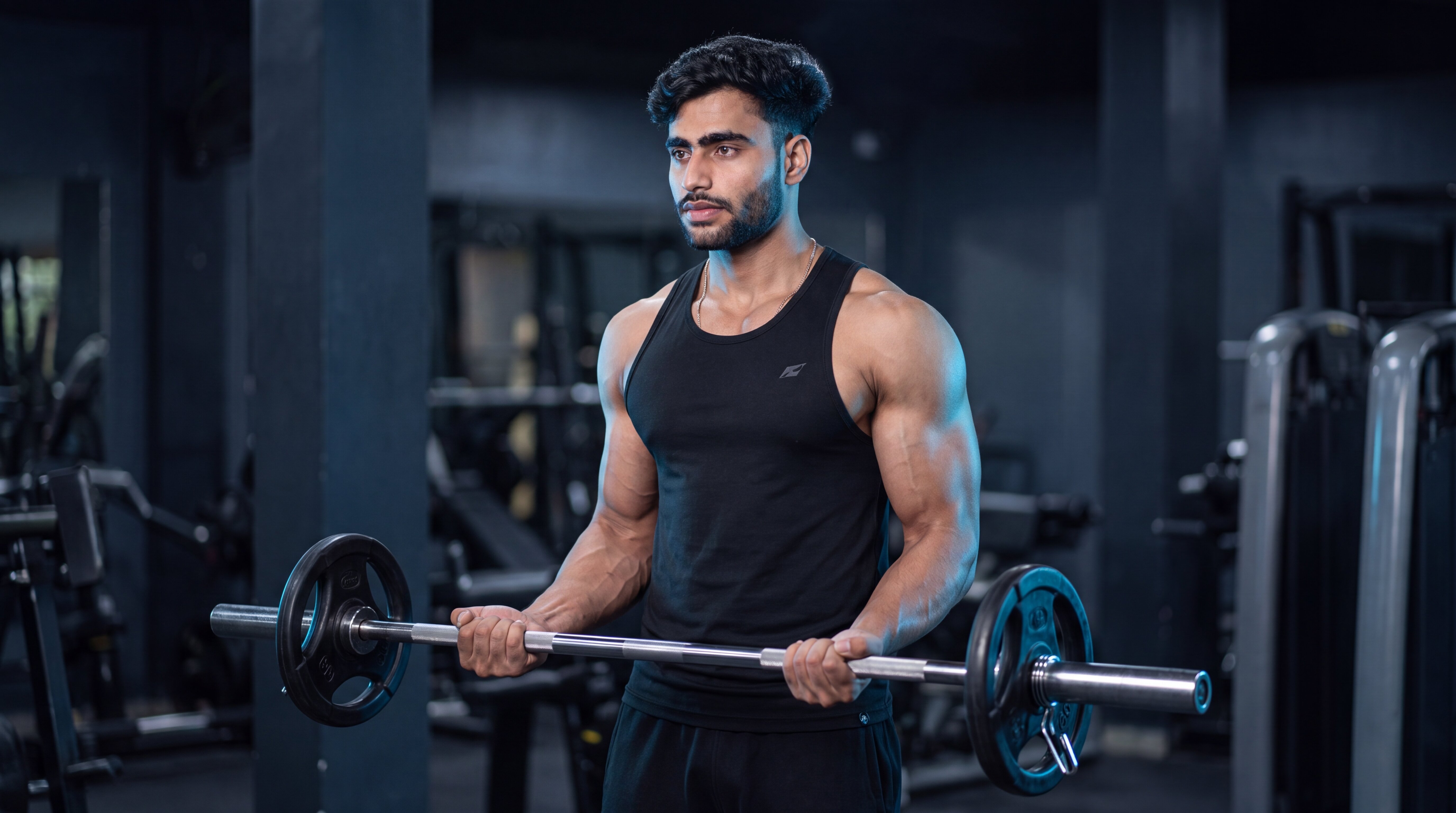
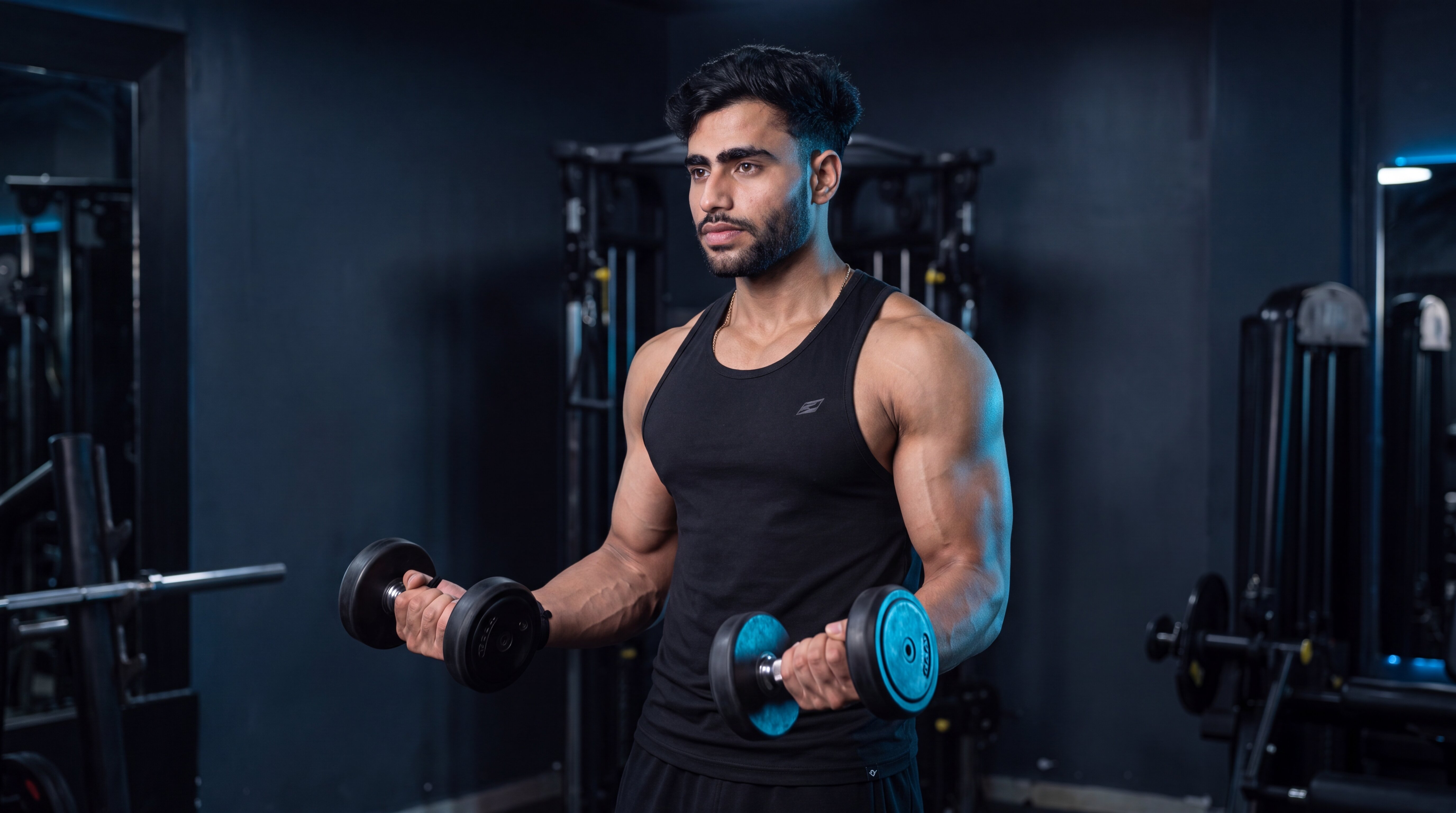
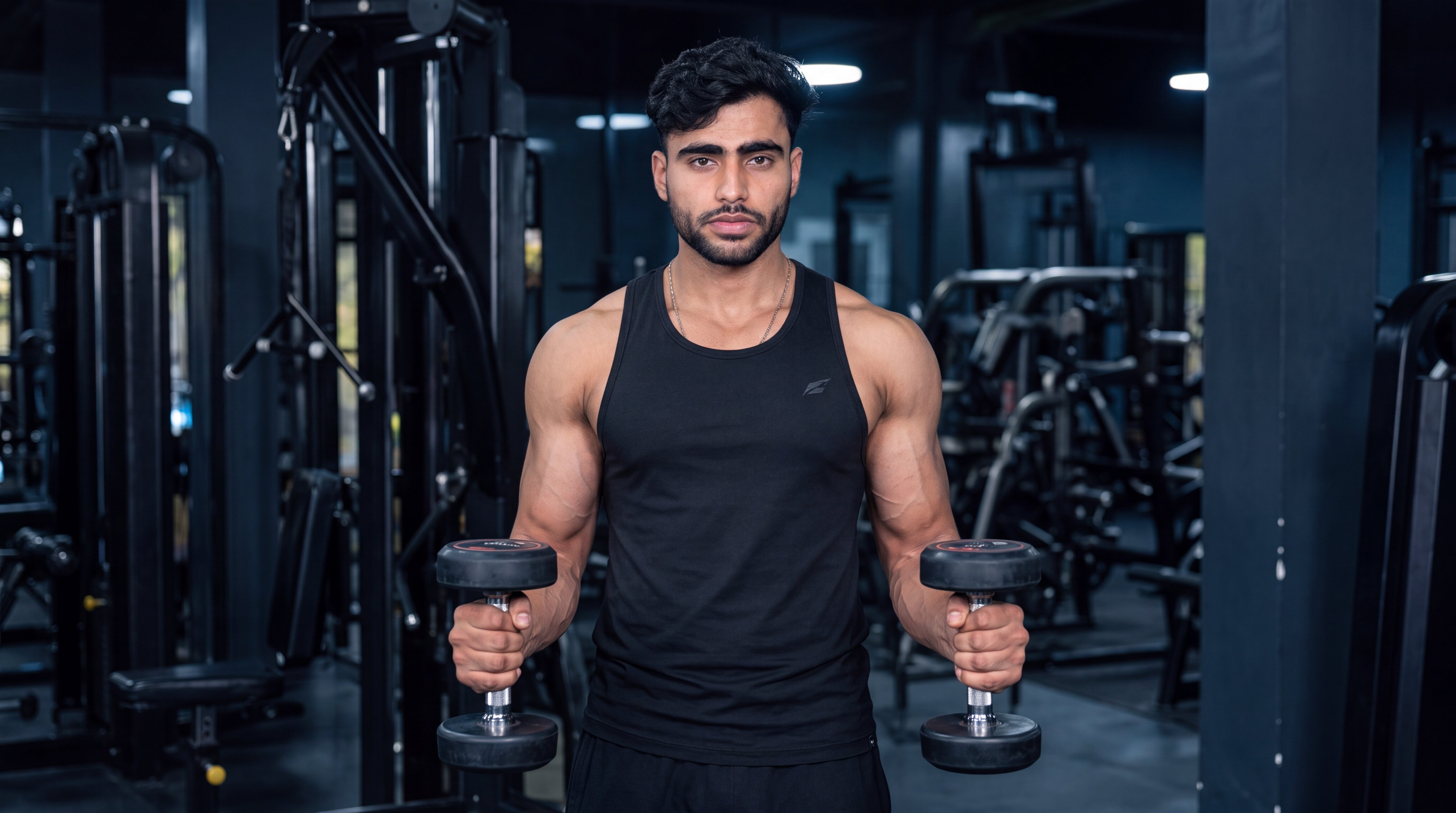
Continue building bigger, stronger, and more defined arms with step-by-step exercise guides covering proper technique, muscles worked, common mistakes, expert coaching tips, and progressive training strategies.


