


Primary Muscle
Hamstrings
Build Stronger Hamstrings with Better Strength, Stability, and Muscle Definition
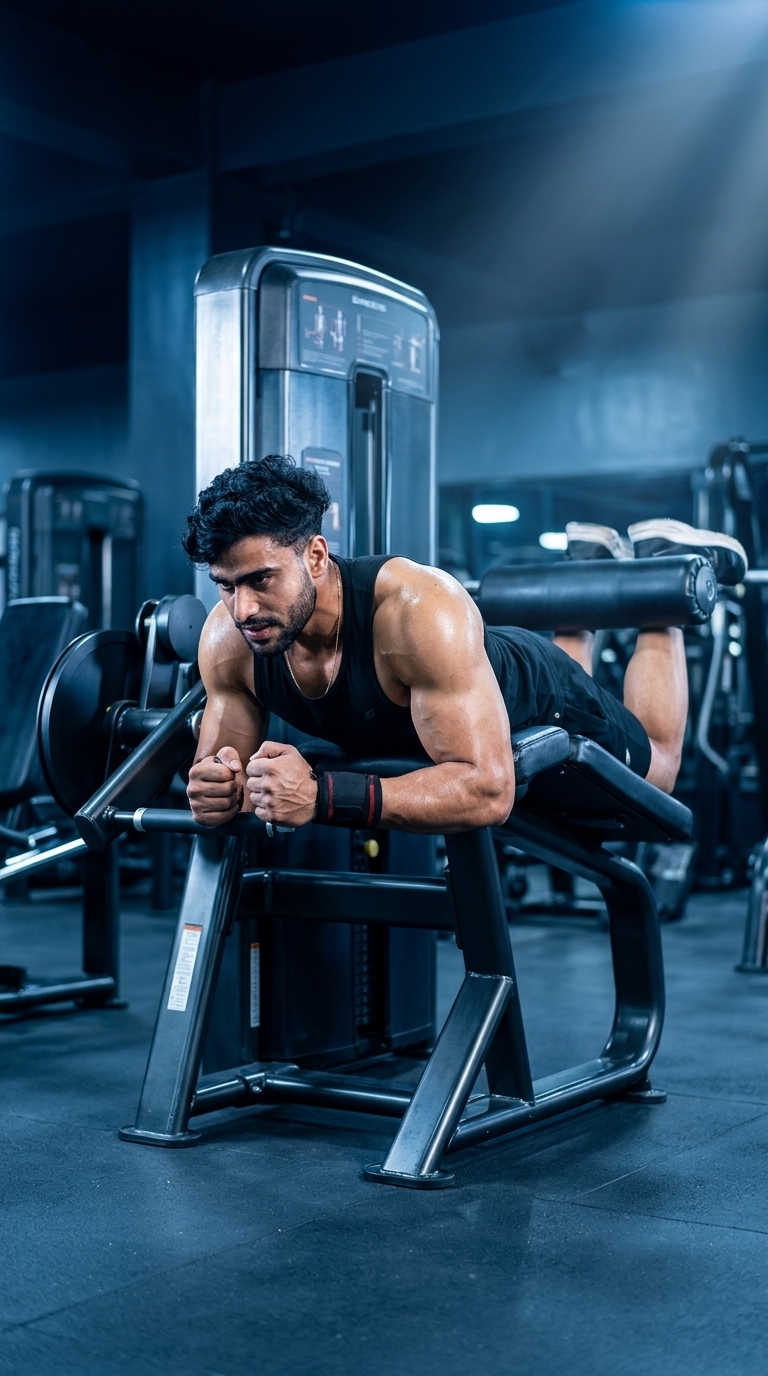
The Lying Leg Curl is one of the most effective isolation exercises for strengthening and developing the hamstring muscles. Performed on a lying leg curl machine, this exercise trains knee flexion through a controlled range of motion while minimizing lower-back involvement. It's an excellent choice for increasing hamstring strength, improving athletic performance, supporting knee stability, reducing injury risk, and building balanced lower-body muscle development.
Hamstrings
Lying Leg Curl Machine
Beginner
Isolation
Discover which muscles power the Lying Leg Curl and how the supporting muscle groups help stabilize the movement, improve knee flexion strength, enhance hamstring development, and build stronger, more athletic legs through focused isolation training.
Knee Flexion & Posterior Thigh Development
Assists Knee Flexion Throughout the Movement
Stabilizes the Hips During the Exercise
Maintains Pelvic Stability & Proper Body Position
Discover how the Lying Leg Curl strengthens the hamstrings, improves knee flexion, enhances lower-body muscle development, supports athletic performance, and helps build stronger, healthier legs through targeted isolation training.
The Lying Leg Curl directly targets the hamstrings, promoting muscle growth, strength, and improved posterior thigh development.
Strengthening the muscles responsible for knee flexion improves sprinting, running, jumping, and overall lower-body performance.
By isolating the back of the thighs, the Lying Leg Curl helps improve hamstring size, shape, and muscle separation for balanced leg aesthetics.
Strong hamstrings help stabilize the knee joint, reduce injury risk, and improve joint function during daily activities and sports.
Stronger hamstrings contribute to faster sprinting, higher jumping, better acceleration, and improved power during athletic movements.
Unlike compound lower-body exercises, the Lying Leg Curl allows you to isolate the hamstrings, making it an excellent finishing movement for complete leg development.
Follow these step-by-step instructions to perform the Lying Leg Curl with proper machine setup, controlled movement, and full hamstring activation to maximize muscle growth, improve knee flexion strength, and reduce the risk of injury.
Lie face down on the leg curl machine with your knees aligned with the machine's pivot point. Position the roller pad comfortably against the back of your lower legs just above your heels.
Proper machine alignment ensures smooth movement and maximum hamstring activation.
Exhale as you bend your knees and curl the pad toward your glutes. Keep your hips firmly against the bench throughout the movement.
Lift the weight smoothly without using momentum or raising your hips.
Pause briefly at the top of the movement while squeezing your hamstrings as hard as possible before beginning the lowering phase.
A one-second squeeze improves the mind-muscle connection and increases muscle activation.
Slowly lower the weight back to the starting position until your legs are almost fully extended, maintaining constant tension on the hamstrings throughout the movement.
Control the lowering phase instead of letting the weight stack pull your legs down.
Complete the desired number of repetitions using a slow, controlled tempo. Keep your hips against the bench and maintain consistent hamstring tension throughout every repetition.
Master perfect technique before increasing the weight to maximize results and reduce injury risk.
Avoid these common technique mistakes to maximize hamstring development, protect your knees, and perform the Lying Leg Curl safely and effectively.
Swinging the weight or jerking the movement reduces hamstring activation and places unnecessary stress on the knees and lower back.
Curl and lower the weight slowly while keeping constant tension on the hamstrings.
Raising your hips to move heavier weight reduces hamstring isolation and shifts stress to the lower back.
Keep your hips firmly against the bench throughout every repetition.
Poor pad placement or incorrect knee alignment changes the movement mechanics, reduces muscle activation, and may cause discomfort.
Align your knees with the machine's pivot point and position the roller pad just above your heels before each set.
Choosing more weight than you can control shortens the range of motion, encourages poor technique, and reduces hamstring engagement.
Select a weight that allows smooth, controlled repetitions with a full range of motion and proper technique.
Apply these expert coaching cues to maximize hamstring activation, improve knee flexion mechanics, and perform every Lying Leg Curl with better control, muscle tension, and proper technique.
Align your knees with the machine's pivot point and position the roller pad just above your heels. Proper setup ensures smooth movement and maximum hamstring engagement.
Proper machine setup improves both safety and hamstring activation.
Maintain full contact between your hips and the pad throughout every repetition to isolate the hamstrings and prevent unnecessary lower-back involvement.
Stable hips create stronger hamstring contractions and better exercise control.
Pause briefly at the top of every repetition and contract your hamstrings as hard as possible before lowering the weight under control.
A one-second squeeze increases muscle activation and strengthens the mind-muscle connection.
Use a weight that allows a slow lifting phase and a controlled lowering phase while maintaining full range of motion and perfect technique.
Perfect technique always delivers better long-term results than lifting heavier with poor form.
Progress from mastering proper machine setup and controlled repetitions to building stronger hamstrings with heavier resistance while maintaining excellent technique and full range of motion.
Begin with a light weight while learning the correct bench position, knee alignment, and controlled movement pattern before increasing resistance.
Machine setup, body position, alignment, and full range of motion.
Perform slow, controlled repetitions with a brief pause at the top while maintaining constant tension on the hamstrings throughout the exercise.
Tempo, muscle control, and mind-muscle connection.
Once your technique is consistent, progressively increase the weight while maintaining smooth, controlled repetitions and a full range of motion.
Progressive overload, hamstring strength, and muscle hypertrophy.
Challenge yourself with advanced methods such as slower eccentric repetitions, pause reps, single-leg leg curls, or drop sets to maximize hamstring growth and muscular endurance.
Maximum hamstring development, muscular endurance, and long-term progression.
Find answers to common questions about Lying Leg Curl technique, muscles worked, knee safety, training frequency, and how to maximize hamstring development with this effective isolation exercise.
The Lying Leg Curl primarily targets the hamstrings, including the biceps femoris, semitendinosus, and semimembranosus. The gastrocnemius also assists during knee flexion.
Yes. When performed with proper machine setup, controlled movement, and an appropriate weight, the Lying Leg Curl is generally safe for healthy individuals. Avoid using momentum or excessive resistance.
Yes. The Lying Leg Curl is beginner-friendly because the machine provides stability, making it easier to learn proper hamstring activation and movement control.
For muscle growth, perform 3–4 sets of 10–15 repetitions. For muscular endurance, use lighter weights for 15–20 repetitions while maintaining strict technique.
No. Keep your hips firmly against the bench throughout the movement. Lifting your hips reduces hamstring isolation and may place unnecessary stress on your lower back.
Lying Leg Curls are commonly performed after compound exercises like squats or Romanian deadlifts to fully fatigue the hamstrings. They also work well as a focused hamstring isolation exercise in any leg workout.
Explore other leg exercises that complement the Lying Leg Curl and help you build stronger hamstrings, glutes, quadriceps, and overall lower-body strength through both compound and isolation movements.
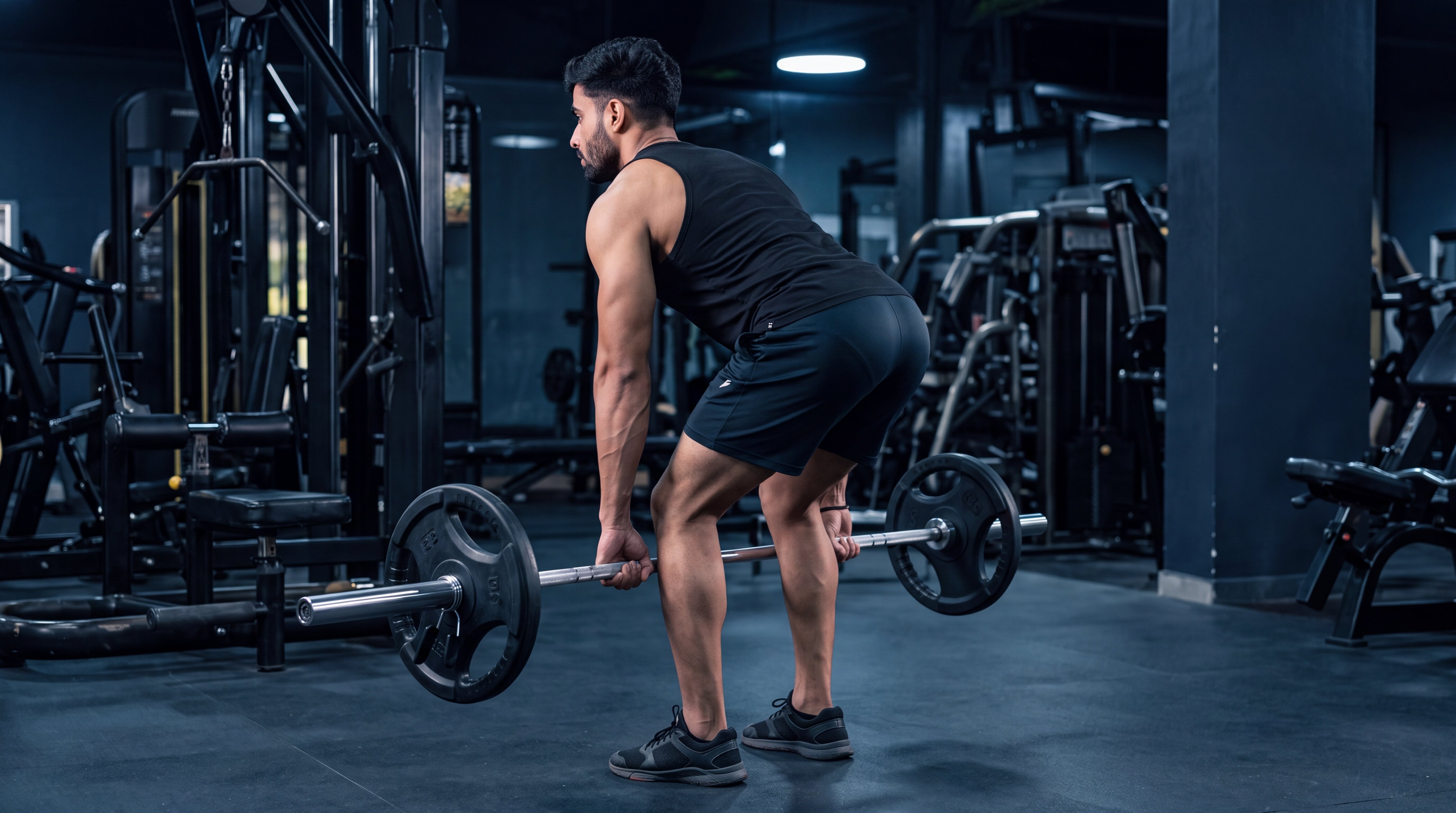
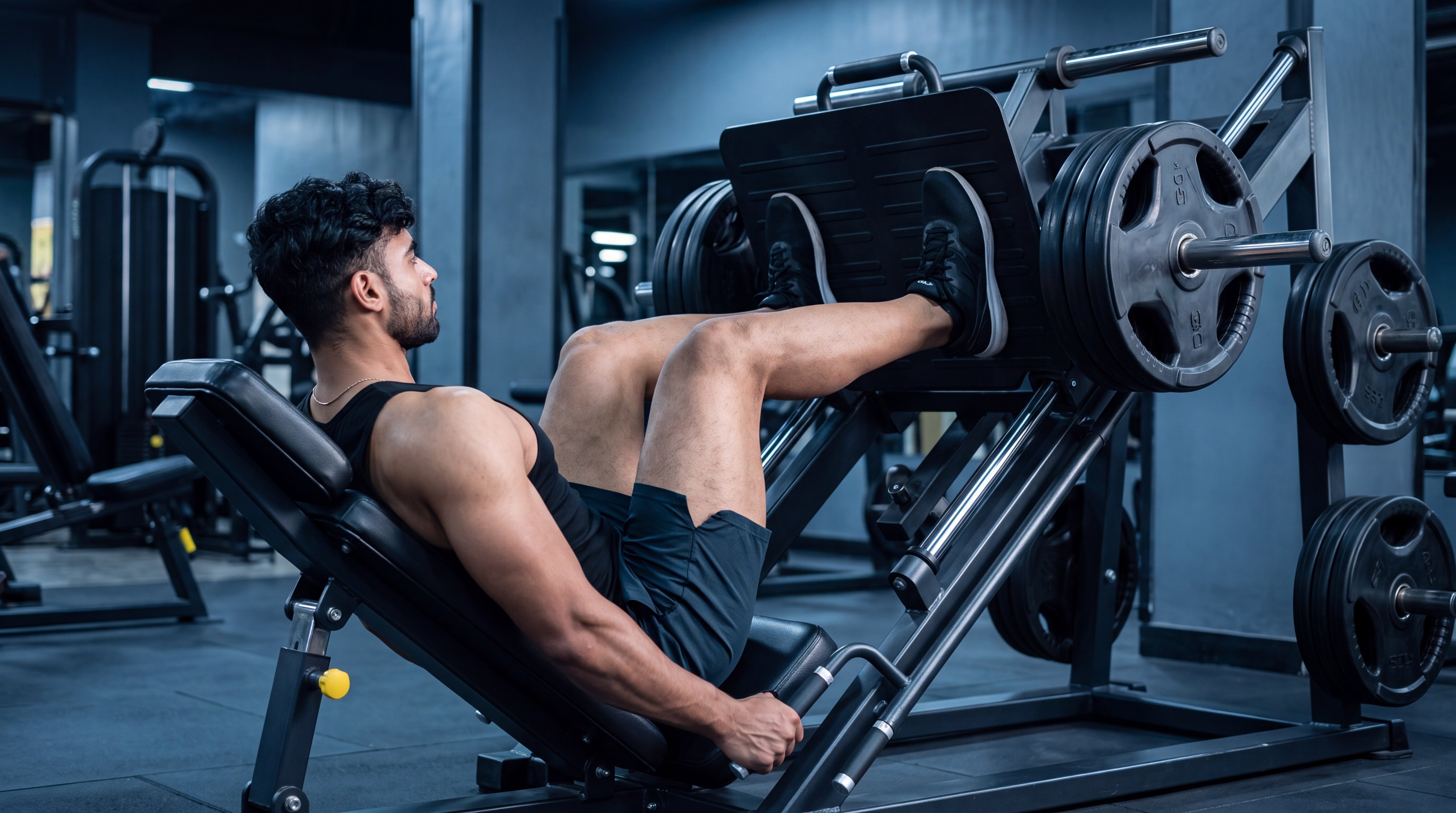
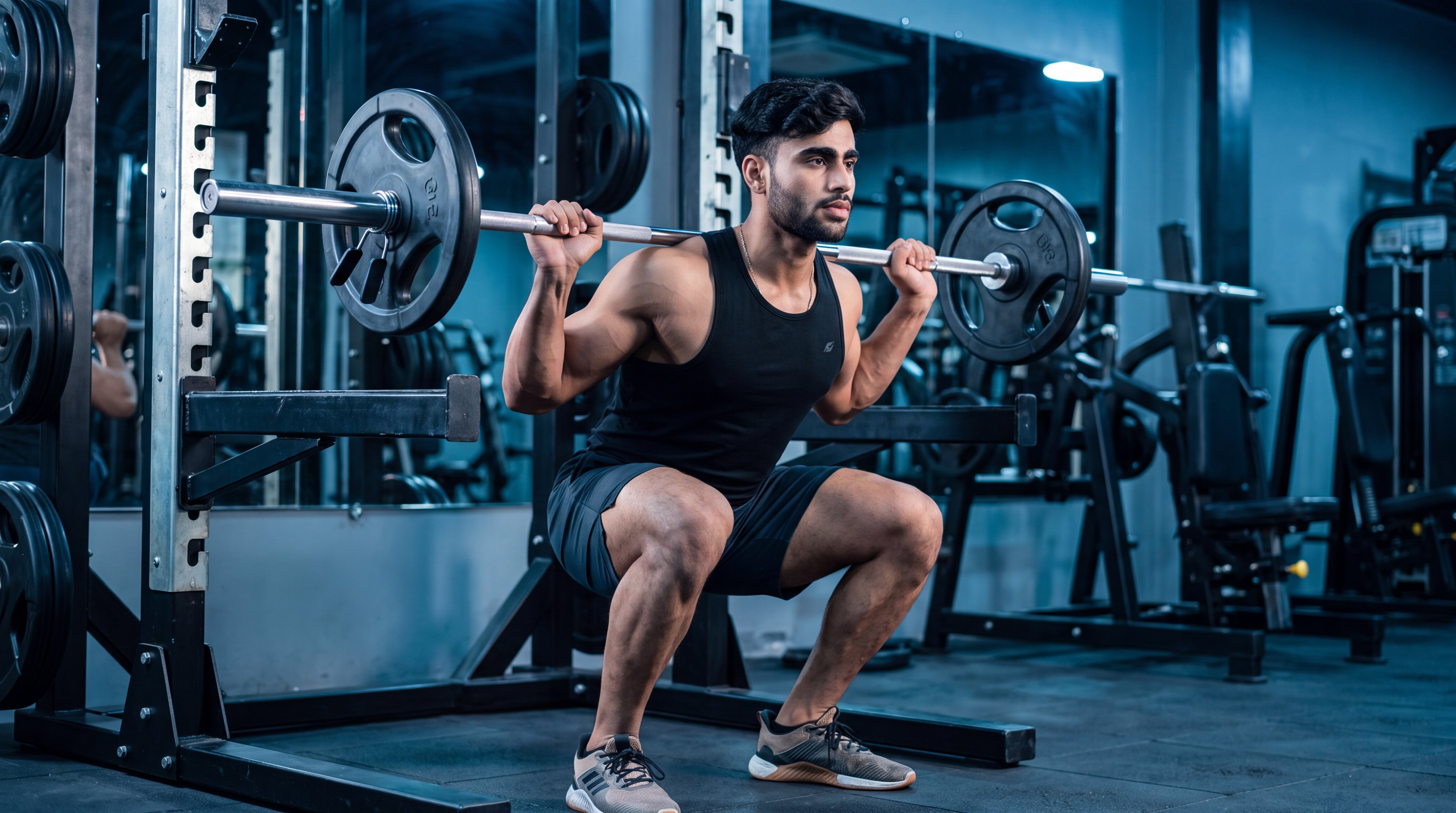
Continue building stronger legs with step-by-step exercise guides covering proper technique, muscles worked, common mistakes, expert coaching tips, and progression strategies for every fitness level.


