Evidence-Based Nutrition Guide

Protein & Muscle Growth

Discover the science behind protein and muscle growth with this comprehensive guide. Learn how protein supports muscle repair, recovery, and hypertrophy, understand muscle protein synthesis, explore high-quality protein sources, and apply practical nutrition strategies to maximize your strength, performance, and overall fitness.

Protein & Muscle Growth Guide

Muscle Recovery

Repair & Adaptation

Protein Intake

Build Lean Muscle

What You'll Learn

Build a complete understanding of protein and muscle growth—from the science behind muscle protein synthesis to practical nutrition strategies you can apply every day.

20+ Learning Topics

Explore every essential concept, from protein fundamentals and amino acids to advanced muscle-building strategies.

Science-Based Learning

Understand evidence-backed nutrition principles with simple explanations that are easy to follow.

Practical Nutrition

Learn how to choose protein-rich foods, plan balanced meals, and optimize your daily protein intake.

Complete Learning Roadmap

Follow this step-by-step guide to understand protein, muscle growth, recovery, and practical nutrition from beginner to advanced level.

Why Understanding Protein Matters

Protein is one of the three essential macronutrients and plays a vital role in nearly every biological process within the human body. From repairing damaged tissues to supporting immune function, producing hormones, transporting nutrients, and maintaining muscle mass, protein is indispensable for overall health.

For individuals who exercise regularly, protein becomes even more important. Resistance training creates microscopic damage within muscle fibers, and protein provides the amino acids required to repair these fibers, allowing them to recover stronger and larger over time. This process forms the scientific foundation of muscle growth.

Throughout this guide, you'll learn how protein is digested, how amino acids stimulate muscle protein synthesis, how much protein your body actually needs, and how to apply evidence-based nutrition strategies to maximize recovery, performance, and long-term fitness results.
Chapter 01

What is Protein?

Protein is one of the most essential nutrients in the human body. Before exploring how it supports muscle growth, it's important to understand what protein is, how it's structured, and why every cell relies on it to function.

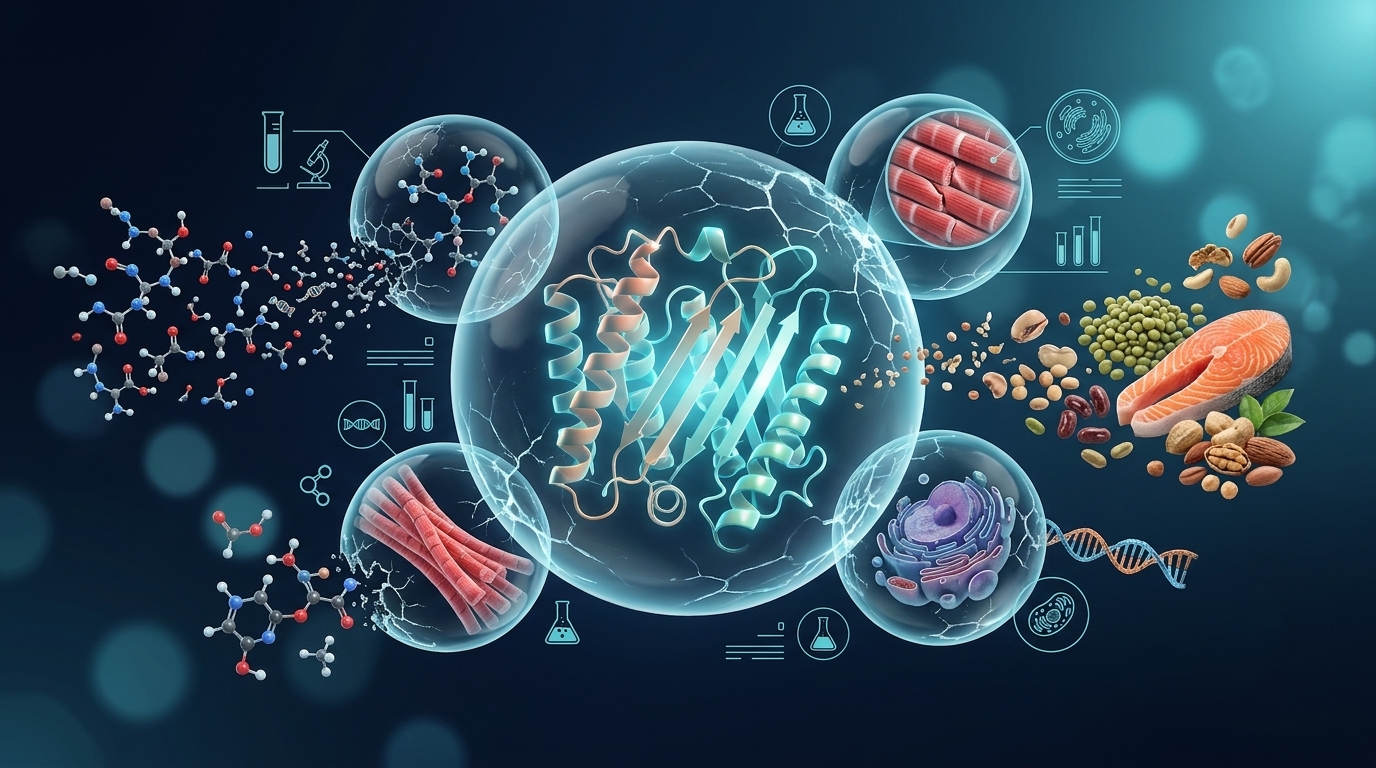
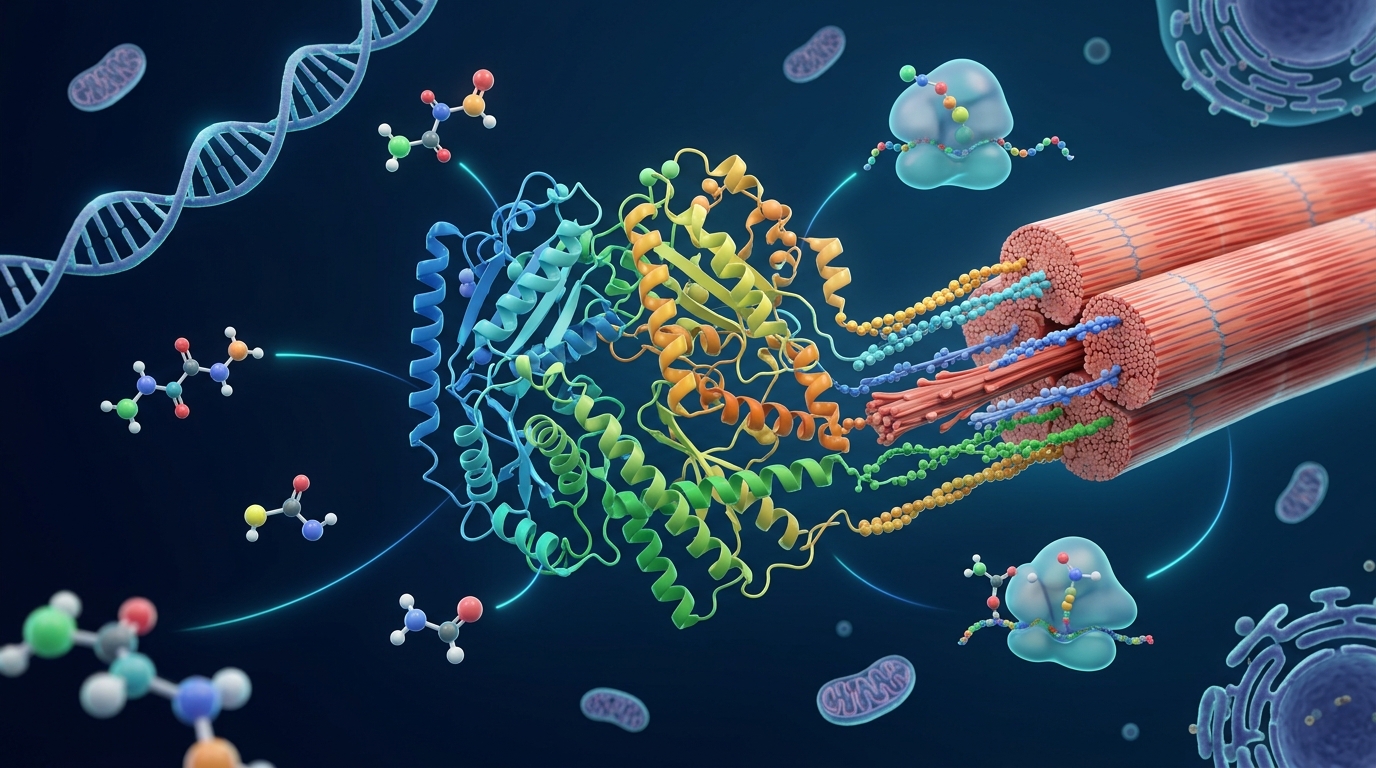
Illustration showing protein molecules supporting muscle tissue.
Proteins are built from amino acids and perform thousands of essential functions throughout the human body.

Protein is one of the three essential macronutrients, alongside carbohydrates and fats. Unlike vitamins and minerals, protein provides the structural building blocks required to grow, repair, and maintain tissues throughout the body.

Every protein is composed of smaller molecules called amino acids. These amino acids join together to form long chains that fold into unique three-dimensional structures. The final shape determines each protein's function, whether it's building muscle, transporting oxygen, producing hormones, supporting immunity, or acting as an enzyme.

Your body constantly breaks down old proteins and creates new ones. This continuous process supports muscle maintenance, tissue repair, recovery after exercise, healthy skin, organs, and countless metabolic functions required for everyday life.

Chapter 02

Protein Structure

Every protein begins as a simple chain of amino acids. The way this chain folds into a three-dimensional structure determines how the protein functions inside the human body.

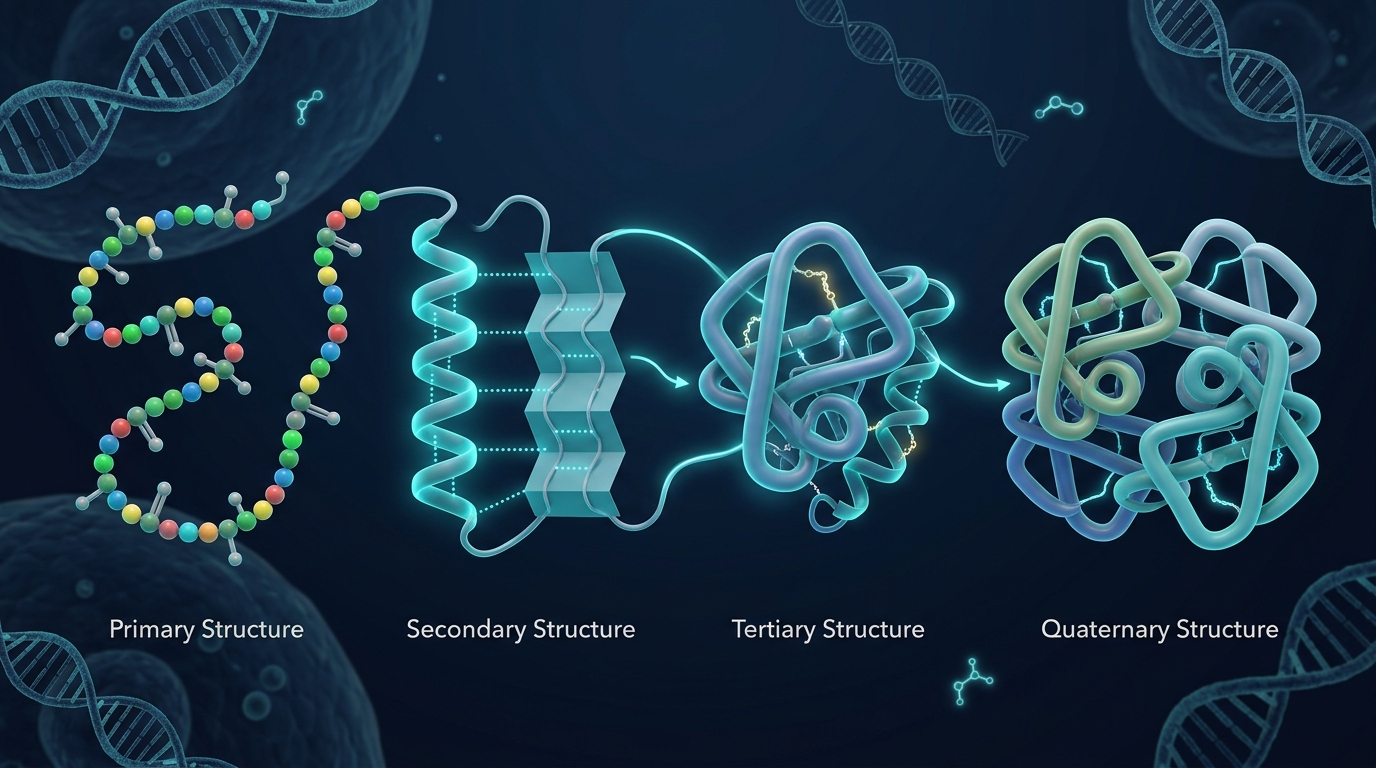
Illustration showing the four levels of protein structure.
Protein molecules fold into highly organized three-dimensional structures that determine their biological function.

Proteins are long chains of amino acids connected by peptide bonds. After these chains are formed, they fold into complex shapes that allow proteins to perform highly specific tasks inside the body.

Scientists describe protein organization using four structural levels: primary, secondary, tertiary, and quaternary. Each level builds upon the previous one, creating increasingly complex structures that determine the protein's stability and function.

Even a small change in protein structure can affect its function. This is why maintaining proper protein synthesis and folding is essential for muscle growth, metabolism, immune function, and overall health.

Chapter 03

Amino Acids

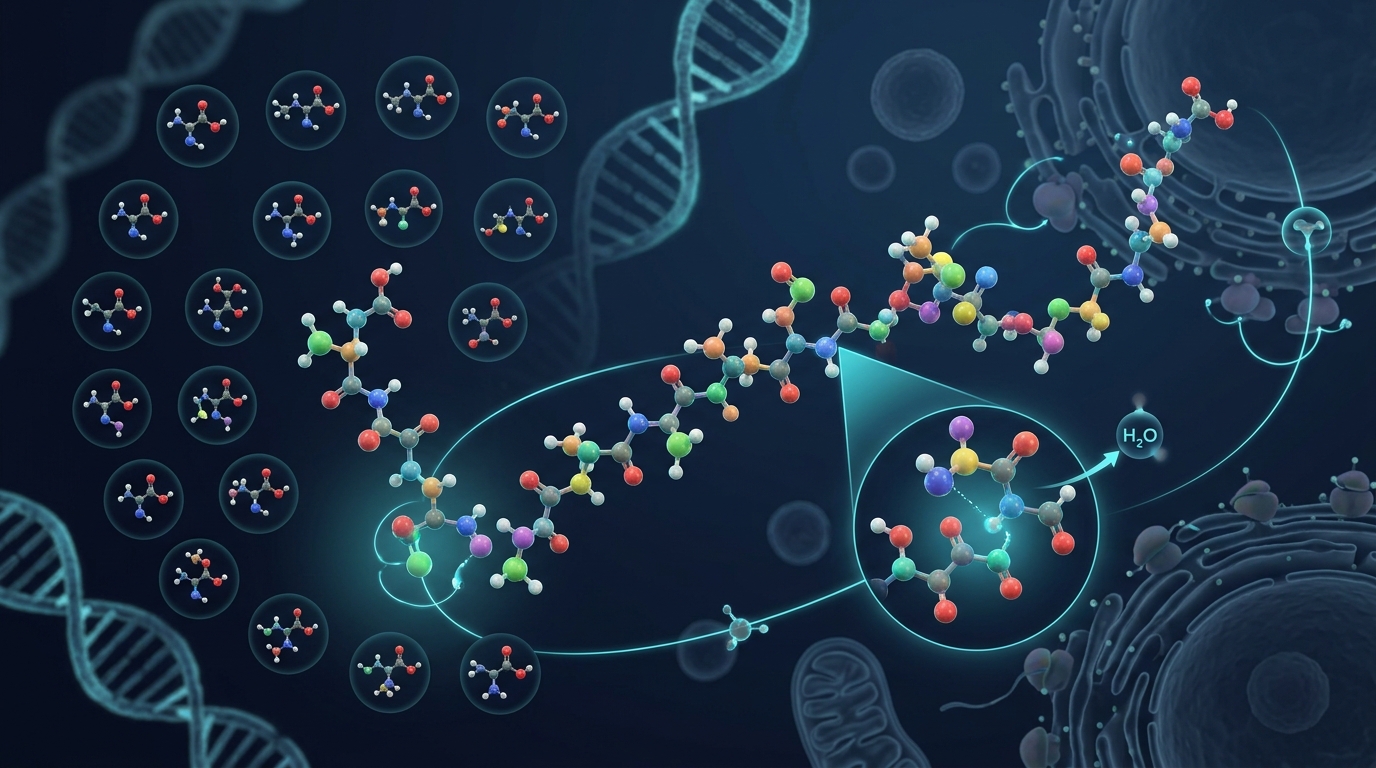
Amino acids are the fundamental building blocks of protein. Every protein in your body is created by combining different amino acids in specific sequences, allowing each protein to perform a unique biological function.

Illustration showing amino acids joining together to form a protein chain.
Twenty amino acids combine in different sequences to create thousands of unique proteins within the human body.

Amino acids are small organic molecules that link together through peptide bonds to form proteins. The human body uses twenty different amino acids, each with a unique chemical structure and biological role.

These amino acids are classified into three categories: essential, non-essential, and conditionally essential. Essential amino acids cannot be produced by the body and must be obtained through food, while non-essential amino acids can be synthesized internally. Conditionally essential amino acids become important during periods of illness, injury, or intense physical stress.

A balanced intake of high-quality dietary protein ensures your body receives all the amino acids required for muscle protein synthesis, tissue repair, enzyme production, hormone formation, immune function, and overall health.

Chapter 04

Protein Digestion & Absorption

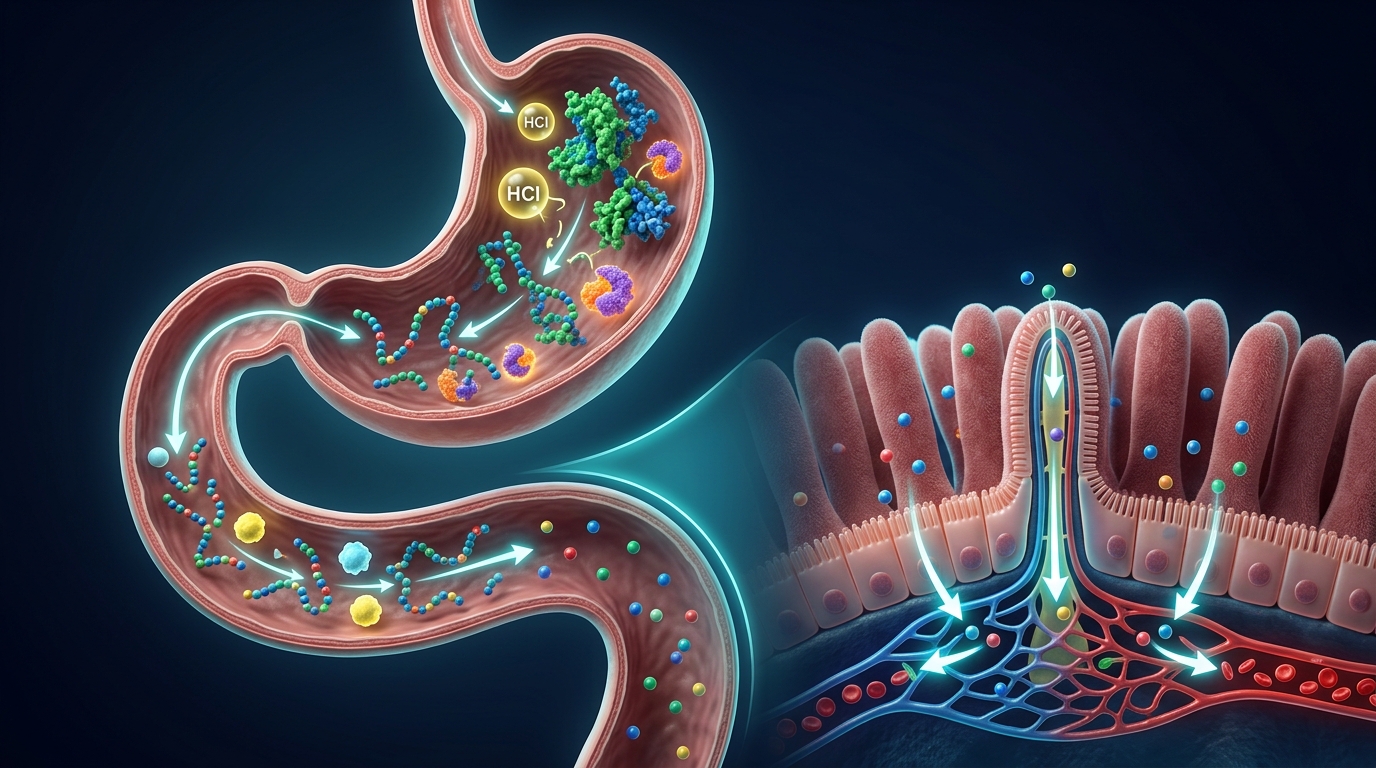
Before protein can build muscle or repair tissues, it must first be broken down into amino acids and absorbed into the bloodstream. This process begins in the stomach and continues through the small intestine.

Illustration showing protein digestion from the stomach to the small intestine.
Dietary proteins are broken into amino acids before being absorbed through the small intestine and transported throughout the body.

Protein digestion is the process of breaking large protein molecules into smaller peptides and individual amino acids that the body can absorb and use. Without digestion, dietary protein cannot contribute to muscle growth, recovery, or normal body functions.

Digestion begins in the stomach, where hydrochloric acid unfolds protein molecules and the enzyme pepsin starts breaking them into smaller peptide chains. This prepares proteins for further digestion in the small intestine.

In the small intestine, pancreatic enzymes such as trypsin and chymotrypsin continue breaking peptides into individual amino acids. These amino acids are then absorbed through the intestinal wall into the bloodstream, where they are transported to muscles, organs, and other tissues that require protein for growth, repair, and maintenance.

Chapter 05

Muscle Protein Synthesis (MPS)

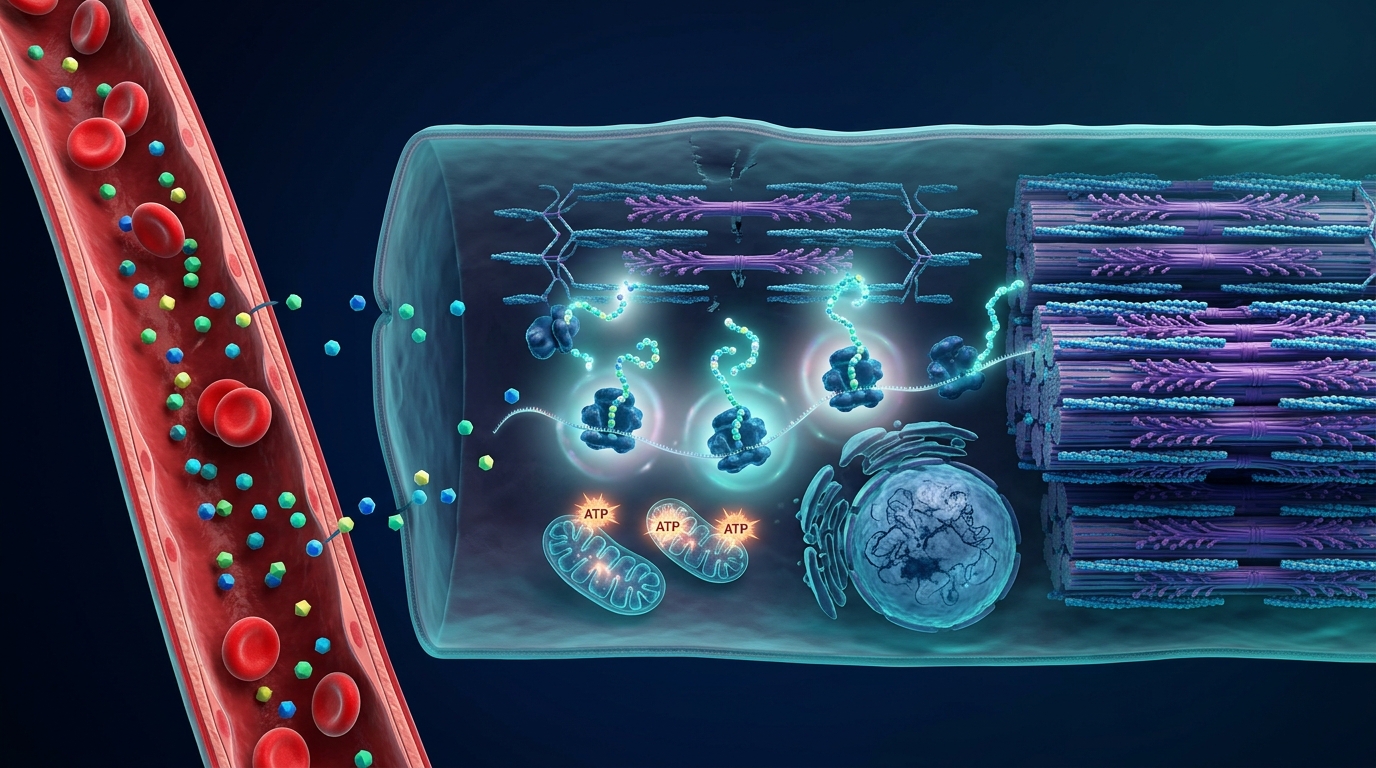
After protein is digested and absorbed, amino acids travel through the bloodstream to muscle cells. Here, they are used to repair damaged muscle fibers and build new muscle proteins through a process known as muscle protein synthesis.

Illustration showing amino acids entering muscle cells and stimulating muscle protein synthesis.
Amino acids activate muscle protein synthesis, allowing damaged muscle fibers to recover, repair, and become stronger over time.

Muscle Protein Synthesis (MPS) is the biological process in which muscle cells use amino acids to create new proteins. This process repairs exercise-induced muscle damage and supports muscle growth, strength, and recovery.

Resistance training creates tiny microscopic tears within muscle fibers. These small injuries are a normal part of training and act as a signal for the body to begin repairing the affected tissue. During recovery, amino acids from dietary protein are delivered to the muscles, where they are assembled into new muscle proteins.

Muscle growth occurs when muscle protein synthesis exceeds muscle protein breakdown over time. Regular strength training, adequate protein intake, sufficient calories, and proper recovery all work together to maintain a positive protein balance, allowing muscles to gradually become larger and stronger.

Chapter 06

How Muscles Grow

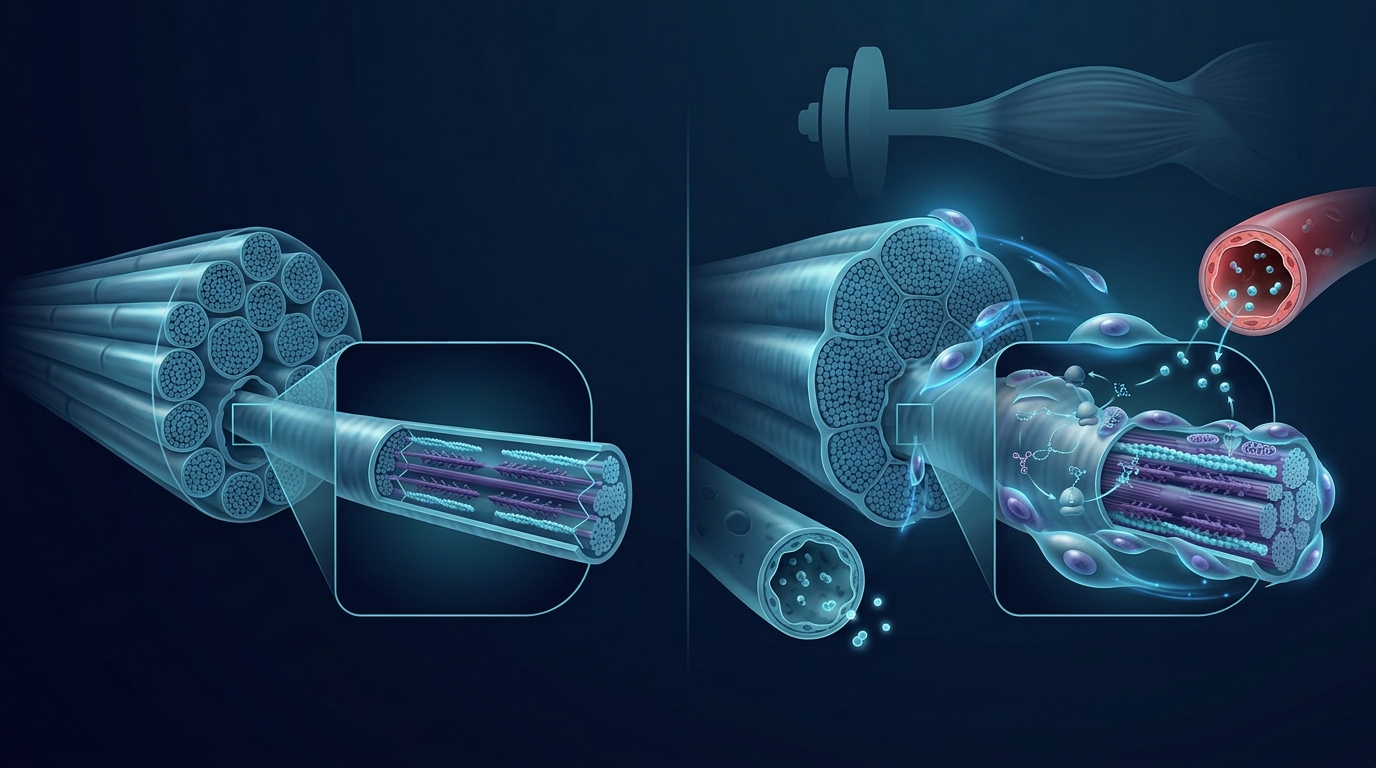
Muscle growth, also known as muscle hypertrophy, is a gradual biological adaptation to resistance training. It occurs when the body repeatedly repairs and strengthens muscle fibers after exercise using amino acids obtained from dietary protein.

Illustration showing muscle fibers becoming thicker after resistance training and recovery.
Consistent resistance training, adequate protein intake, and recovery work together to increase muscle fiber size through hypertrophy.

Muscle hypertrophy is the process by which muscle fibers increase in size. This adaptation occurs gradually when muscles are exposed to repeated resistance training and receive sufficient nutrition and recovery to repair and strengthen damaged tissue.

During strength training, muscles experience mechanical tension and microscopic damage. These training stimuli activate muscle protein synthesis, allowing muscle fibers to rebuild thicker and stronger than before. Over weeks and months of consistent training, these repeated adaptations lead to noticeable increases in muscle size and strength.

Progressive overload is essential for continued muscle growth. Gradually increasing training intensity through heavier weights, additional repetitions, or higher training volume encourages muscles to keep adapting. Adequate protein intake, sufficient calories, quality sleep, and recovery support this process by providing the nutrients and time needed for tissue repair.

Chapter 07

Best Protein Sources

Choosing high-quality protein sources helps your body obtain the essential amino acids required for muscle growth, recovery, enzyme production, immune function, and overall health. Both animal and plant-based foods can contribute to a balanced, protein-rich diet.

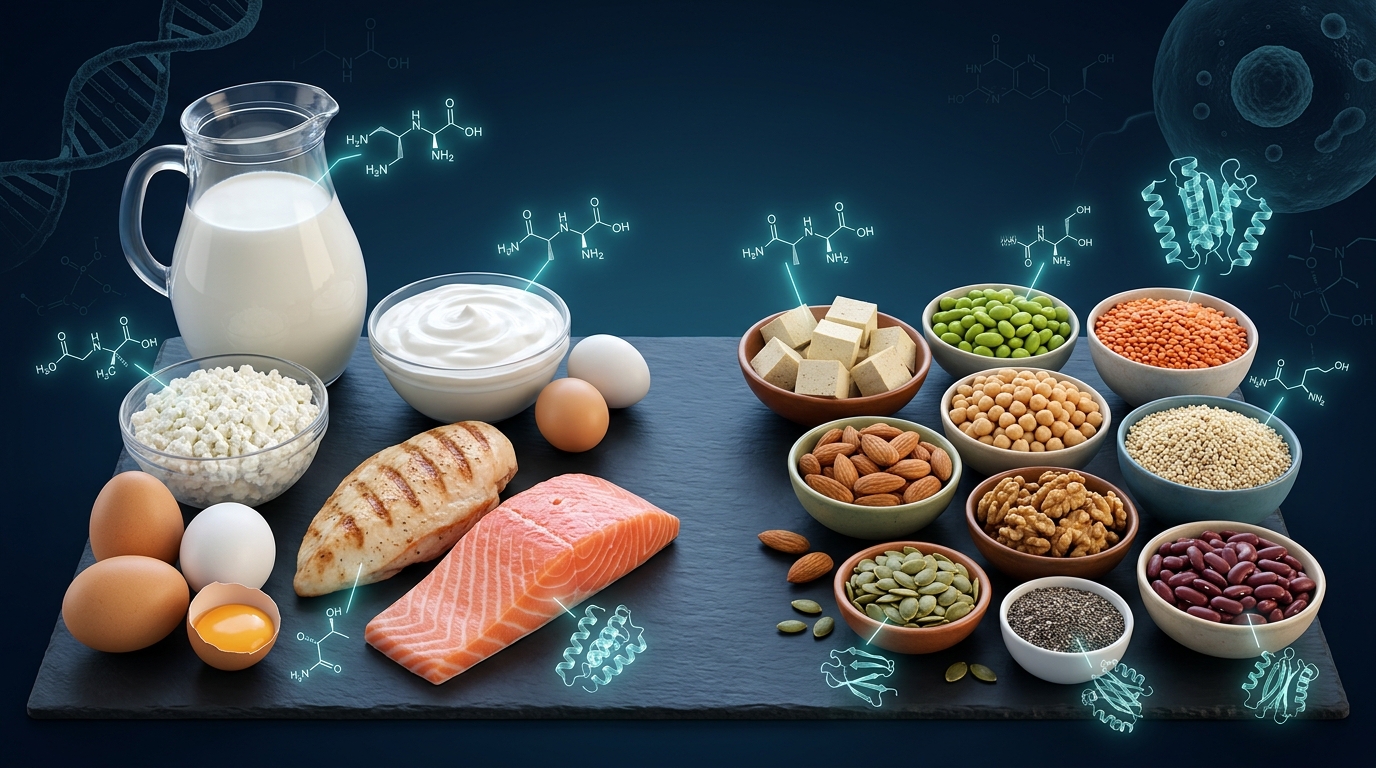
Illustration showing a variety of high-quality animal and plant protein sources.
A balanced diet can include a wide variety of protein-rich foods from both animal and plant sources.

Protein is found in many everyday foods, but not all protein sources provide the same nutritional profile. High-quality proteins supply all nine essential amino acids in sufficient amounts, making them especially effective for supporting muscle protein synthesis and overall health.

Animal-based protein sources such as eggs, dairy products, fish, poultry, and lean meat are considered complete proteins because they naturally contain all essential amino acids. These foods are highly digestible and are commonly included in sports nutrition plans.

Plant-based foods such as soy products, lentils, beans, chickpeas, peas, quinoa, nuts, and seeds also provide valuable protein. While some plant proteins contain lower amounts of certain essential amino acids, eating a varied plant-based diet throughout the day helps meet protein and amino acid requirements for most healthy individuals.

Chapter 08

Daily Protein Requirements

Your daily protein requirement depends on factors such as age, body weight, physical activity, health status, and fitness goals. Meeting your individual protein needs helps support muscle maintenance, recovery, and overall health.

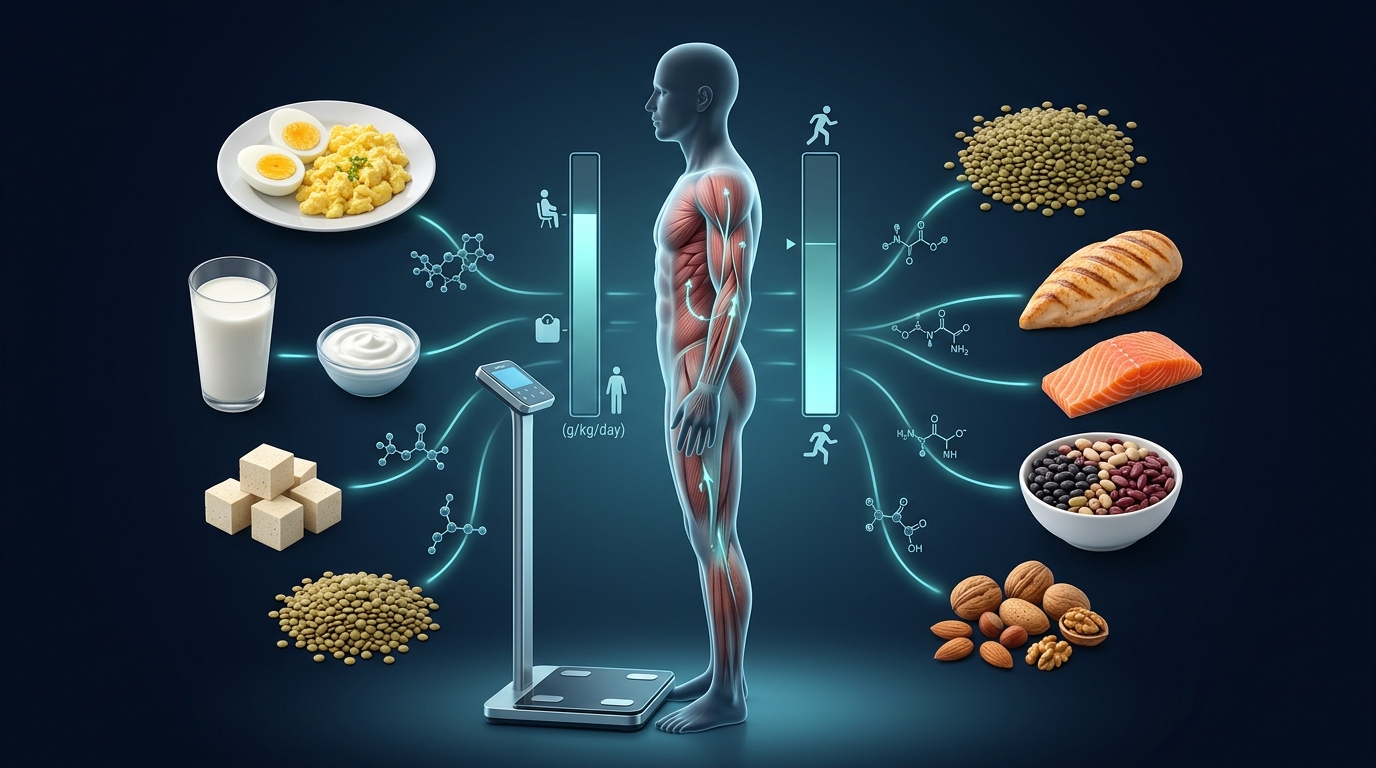
Illustration showing recommended daily protein intake based on body weight and activity level.
Protein requirements increase with physical activity, resistance training, and specific health or performance goals.

Protein requirements are not the same for everyone. While the body needs protein every day for essential functions such as tissue repair, enzyme production, and hormone synthesis, physically active individuals generally require more protein than sedentary adults.

For most healthy adults, the Recommended Dietary Allowance (RDA) is 0.8 grams of protein per kilogram of body weight per day. This amount is intended to meet basic physiological needs and prevent protein deficiency, but it may not be sufficient to maximize muscle growth or athletic performance.

Individuals who regularly perform resistance training or endurance exercise often benefit from higher protein intakes. Sports nutrition research commonly recommends approximately 1.2–2.0 grams of protein per kilogram of body weight per day, depending on training intensity, recovery needs, and performance goals. Requirements should always be considered alongside total calorie intake and an overall balanced diet.

Chapter 09

Protein Timing

While meeting your daily protein requirement is the highest priority, the timing of protein intake can also support muscle recovery and muscle protein synthesis. Distributing protein evenly throughout the day helps provide a steady supply of amino acids for your muscles.

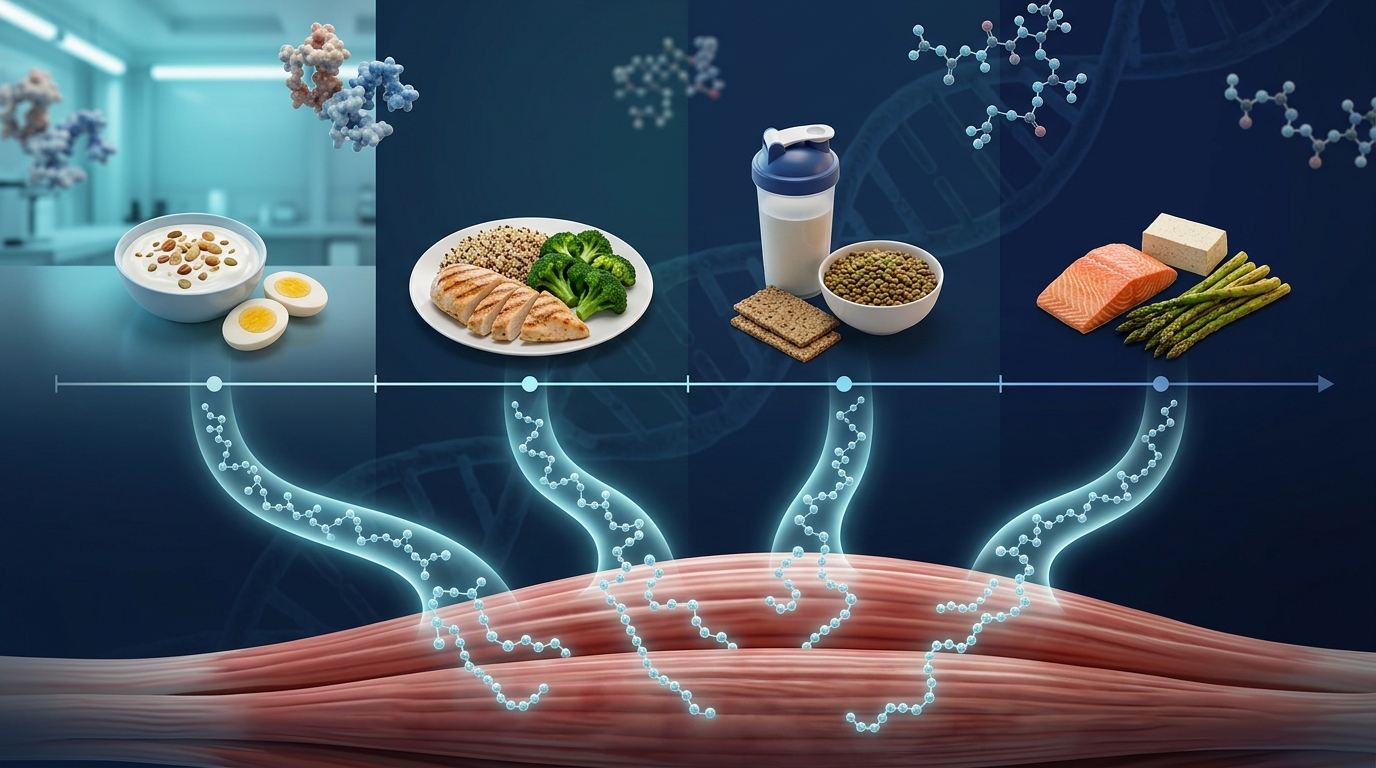
Illustration showing protein intake throughout the day to support muscle protein synthesis.
Spreading protein intake across multiple meals helps maintain a consistent supply of amino acids for muscle repair and recovery.

Protein timing refers to when dietary protein is consumed throughout the day. Although total daily protein intake has the greatest impact on health and muscle maintenance, consuming protein at regular intervals can help maximize muscle protein synthesis and support recovery.

After resistance training, muscles become more responsive to amino acids as part of the natural recovery process. Consuming a protein-rich meal after exercise is a practical way to support muscle repair, but research indicates that there is not a brief "anabolic window" that closes within minutes. Meeting your total daily protein needs remains the most important factor.

Distributing protein across three to five meals each day may provide repeated stimulation of muscle protein synthesis. Including protein with breakfast, lunch, dinner, and snacks can help maintain a steady availability of amino acids, while a protein-containing evening meal or snack may also contribute to overnight muscle repair.

Chapter 10

Common Protein Myths

Protein is one of the most researched nutrients in sports nutrition, yet it is also surrounded by many misconceptions. Understanding what scientific evidence actually says can help you make informed dietary decisions.

Illustration showing common protein myths being replaced with evidence-based nutrition facts.
Scientific evidence helps separate common nutrition myths from facts about dietary protein.

Nutrition advice is often influenced by social media, marketing, and outdated information. While protein plays an essential role in health and muscle growth, many popular beliefs about protein are not supported by scientific evidence.

One common misconception is that eating more protein will always result in more muscle growth. In reality, muscle development depends on several factors, including progressive resistance training, adequate calorie intake, sufficient recovery, and meeting—but not greatly exceeding—your protein needs.

Another widespread myth is that healthy individuals should avoid high-protein diets because they damage the kidneys. Current research indicates that higher protein intakes within commonly recommended ranges have not been shown to impair kidney function in healthy adults. However, people with existing kidney disease should follow the advice of their healthcare provider regarding protein intake.

It is also incorrect to assume that plant proteins cannot support muscle growth. Well-planned vegetarian and vegan diets that provide adequate total protein and a variety of protein sources can effectively support muscle maintenance and development.

Summary

Key Takeaways

Understanding how protein works makes it easier to make informed nutrition choices. Here are the most important concepts covered throughout this guide.

Protein Builds and Repairs Tissues

Protein supplies amino acids that support muscle repair, growth, enzyme production, hormones, and many essential biological functions.

Amino Acids Are the Building Blocks

Twenty amino acids combine in different sequences to create thousands of proteins required throughout the human body.

Muscle Growth Requires More Than Protein

Progressive resistance training, sufficient calories, quality sleep, and adequate recovery work together with protein to promote muscle hypertrophy.

Meet Your Daily Protein Needs

Consistently reaching your recommended daily protein intake is more important than consuming excessive amounts at a single meal.

Spread Protein Across the Day

Eating protein-rich meals throughout the day helps provide a steady supply of amino acids for recovery and muscle protein synthesis.

Follow Evidence-Based Nutrition

Build your nutrition habits using reliable scientific evidence instead of popular myths or misinformation.

Frequently Asked Questions FAQs

Frequently Asked Questions

Find answers to the most common questions about protein, amino acids, muscle protein synthesis, daily protein intake, protein timing, and healthy nutrition. These evidence-based answers summarize the key concepts covered throughout this guide.

01 What is protein and why is it important?

Protein is an essential macronutrient made up of amino acids. It supports muscle growth and repair, produces enzymes and hormones, strengthens the immune system, and helps maintain healthy tissues throughout the body.

02 How much protein do I need each day?

Most healthy adults need at least 0.8 grams of protein per kilogram of body weight each day. People who regularly perform resistance training or endurance exercise often benefit from consuming 1.2–2.0 grams per kilogram of body weight daily, depending on their activity level and fitness goals.

03 Can I build muscle without eating enough protein?

Building muscle becomes much more difficult without adequate protein. Resistance training provides the stimulus for muscle growth, while dietary protein supplies the amino acids needed to repair damaged muscle fibers and build new muscle tissue.

04 Are plant-based proteins good for muscle growth?

Yes. A well-planned vegetarian or vegan diet that provides enough total protein and includes a variety of protein-rich foods can effectively support muscle maintenance and muscle growth.

05 Is it necessary to drink a protein shake after every workout?

No. Protein shakes are simply a convenient way to increase your protein intake. Whole foods such as eggs, dairy products, soy foods, legumes, fish, poultry, and lean meat can provide the protein needed for muscle recovery and growth.

06 Can eating too much protein damage healthy kidneys?

Current scientific evidence shows that protein intake within recommended ranges does not harm kidney function in healthy adults. People with existing kidney disease should follow the advice of their healthcare professional.

07 Does protein timing matter?

Meeting your total daily protein requirement is the most important factor. Distributing protein intake across several meals throughout the day may further support muscle protein synthesis and recovery.

08 Which foods are the best sources of protein?

High-quality protein sources include eggs, dairy products, fish, poultry, soy foods, lentils, beans, chickpeas, quinoa, nuts, and seeds. Including a variety of these foods helps provide all the essential amino acids your body needs for overall health and muscle growth.

Continue Learning Continue Learning

Knowledge Builds Muscles. Consistency Builds Champions.

Every workout begins with knowledge, but lasting results come from consistent action. Apply what you've learned, train with proper technique, fuel your body with balanced nutrition, and never stop improving. Explore our science-backed fitness guides to continue building strength, confidence, and a healthier lifestyle.

"Fitness isn't about doing more. It's about doing the right things consistently." — Atul Tomar Fitness