Why Do You Crave Sugar?

Discover the science behind sugar cravings, why your brain craves sweet foods, and practical strategies to reduce cravings naturally without restrictive diets or misleading nutrition myths.

Science-Based Expert Reviewed Beginner Friendly

In This Guide You'll Learn

  • Why sugar cravings happen
  • How your brain responds to sugar
  • The 10 most common causes of cravings
  • Science-backed ways to reduce cravings
Why Do You Crave Sugar?
Introduction

Why Understanding Sugar Cravings Matters

Have you ever promised yourself that today would be the day you stop eating sweets, only to find yourself reaching for chocolate, cookies, or sugary drinks a few hours later? You're not alone. Sugar cravings affect millions of people, and they are often driven by biology—not just willpower.

Your brain, hormones, sleep quality, stress levels, eating habits, and even dehydration can influence how strongly you crave sugar. Understanding these factors helps you make smarter nutrition decisions instead of blaming yourself whenever cravings appear.

In this guide, you'll discover the science behind sugar cravings, learn why they happen, separate myths from facts, and explore practical strategies to reduce cravings in a healthy and sustainable way.

Chapter 01

What Are Sugar Cravings?

Understanding the biological and psychological science behind sugar cravings and why they are different from normal hunger.

Sugar cravings are intense urges to eat sweet foods or drinks. Unlike normal hunger, cravings usually focus on a specific food such as chocolate, ice cream, soft drinks, cookies, or candy. These cravings are influenced by your brain's reward system, hormones, emotions, daily habits, and overall lifestyle.

While enjoying sweet foods occasionally is completely normal, frequent and uncontrollable cravings may indicate poor sleep, chronic stress, irregular eating patterns, dehydration, or blood sugar fluctuations. Understanding why cravings occur is the first step toward managing them effectively.

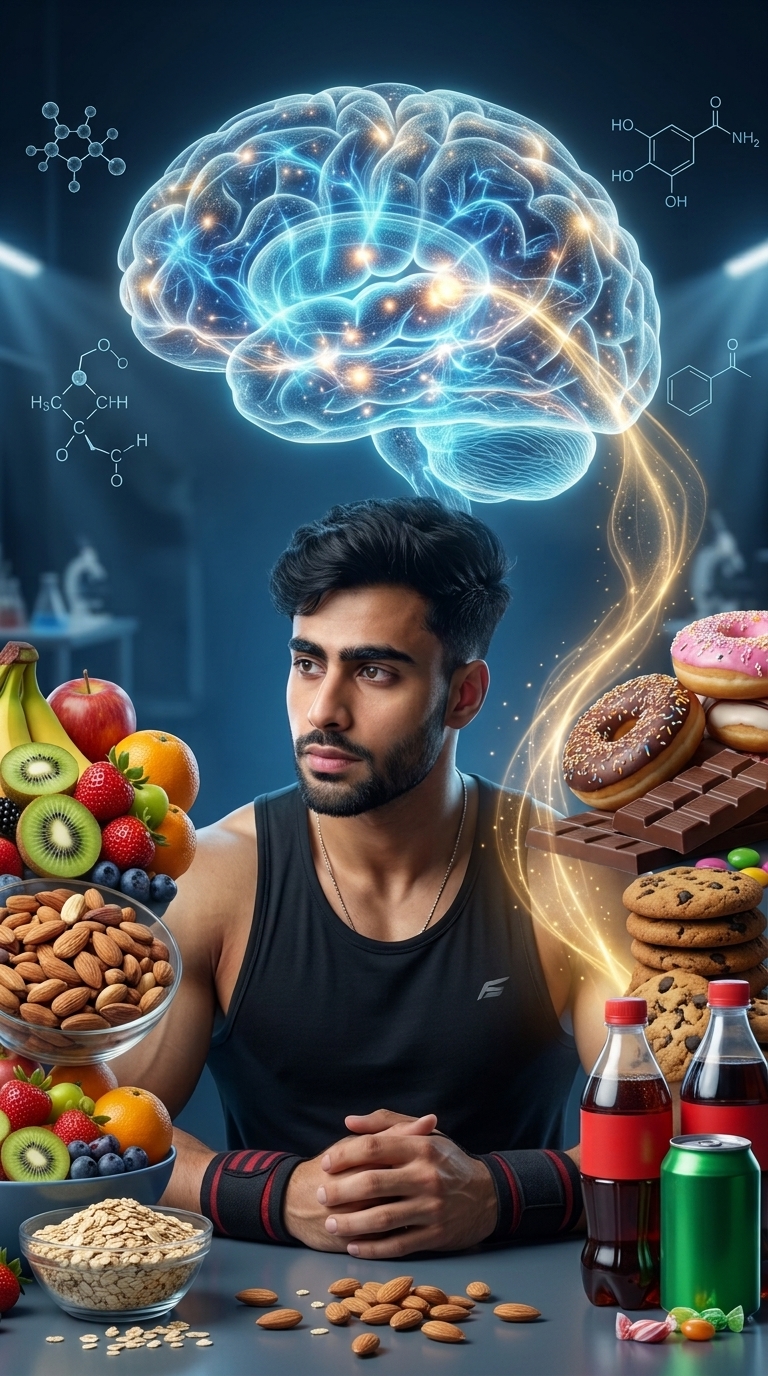
What are sugar cravings?
Figure 01

Sugar cravings are influenced by biological, psychological, and lifestyle factors that work together to shape eating behaviour.

Quick Facts

Key Things to Remember

Commonly triggered by stress, fatigue, and poor sleep.

Usually involve highly processed sugary foods.

Different from normal physical hunger.

Healthy nutrition and lifestyle habits can help reduce cravings.

Chapter 02

How Your Brain Responds to Sugar

Sugar activates your brain's natural reward system. This process evolved to encourage survival, but highly processed foods can repeatedly trigger the same pathway, making cravings stronger over time.

Step 01

You eat a sugary food or drink.

Step 02

Blood glucose rises and your body begins processing the energy.

Step 03

Dopamine is released, creating a feeling of reward and satisfaction.

Step 04

Your brain remembers this rewarding experience and stores it as a habit.

Step 05

Similar situations in the future can trigger another sugar craving.

How the brain responds to sugar
Figure 02

The brain's reward pathway explains why sugar cravings can become stronger when certain habits are repeated.

Chapter 03

Why Do You Crave Sugar?

Sugar cravings rarely have a single cause. They usually result from a combination of biological, psychological, and lifestyle factors working together.

Poor Sleep

Sleep deprivation increases hunger hormones while reducing satiety signals, making sugary foods more tempting.

Chronic Stress

Stress hormones can increase the desire for high-calorie comfort foods that temporarily activate the brain's reward system.

Skipping Meals

Long gaps between meals often cause blood sugar fluctuations that can trigger cravings for quick energy.

Dehydration

Mild dehydration can sometimes be mistaken for hunger, increasing the desire to snack.

Habit & Routine

Repeating the same eating habits trains your brain to expect sugary foods at specific times each day.

Blood Sugar Changes

Rapid spikes followed by sharp drops in blood glucose can increase the urge to eat sweet foods again.

Chapter 04

How to Reduce Sugar Cravings Naturally

There is no single solution that completely eliminates sugar cravings. However, small daily habits can reduce their frequency and intensity over time.

Eat More Protein

Protein helps improve fullness and may reduce the desire to snack between meals.

Sleep 7–9 Hours

Better sleep supports healthy hunger hormones and reduces late-night cravings.

Stay Hydrated

Drinking enough water throughout the day can help prevent thirst from being mistaken for hunger.

Manage Stress

Regular exercise, meditation, and relaxation techniques may reduce stress-related cravings.

Don't Skip Meals

Eating balanced meals consistently helps maintain stable energy levels throughout the day.

Keep Healthy Snacks Available

Fruits, yogurt, nuts, and roasted chickpeas can be practical alternatives when cravings appear.

Chapter 05

Best Foods to Reduce Sugar Cravings

Choosing nutrient-dense foods can help improve fullness, stabilize energy levels, and make it easier to manage sugar cravings throughout the day.

Eggs

Eggs

Rich in high-quality protein, eggs promote satiety and may reduce the urge to snack on sugary foods.

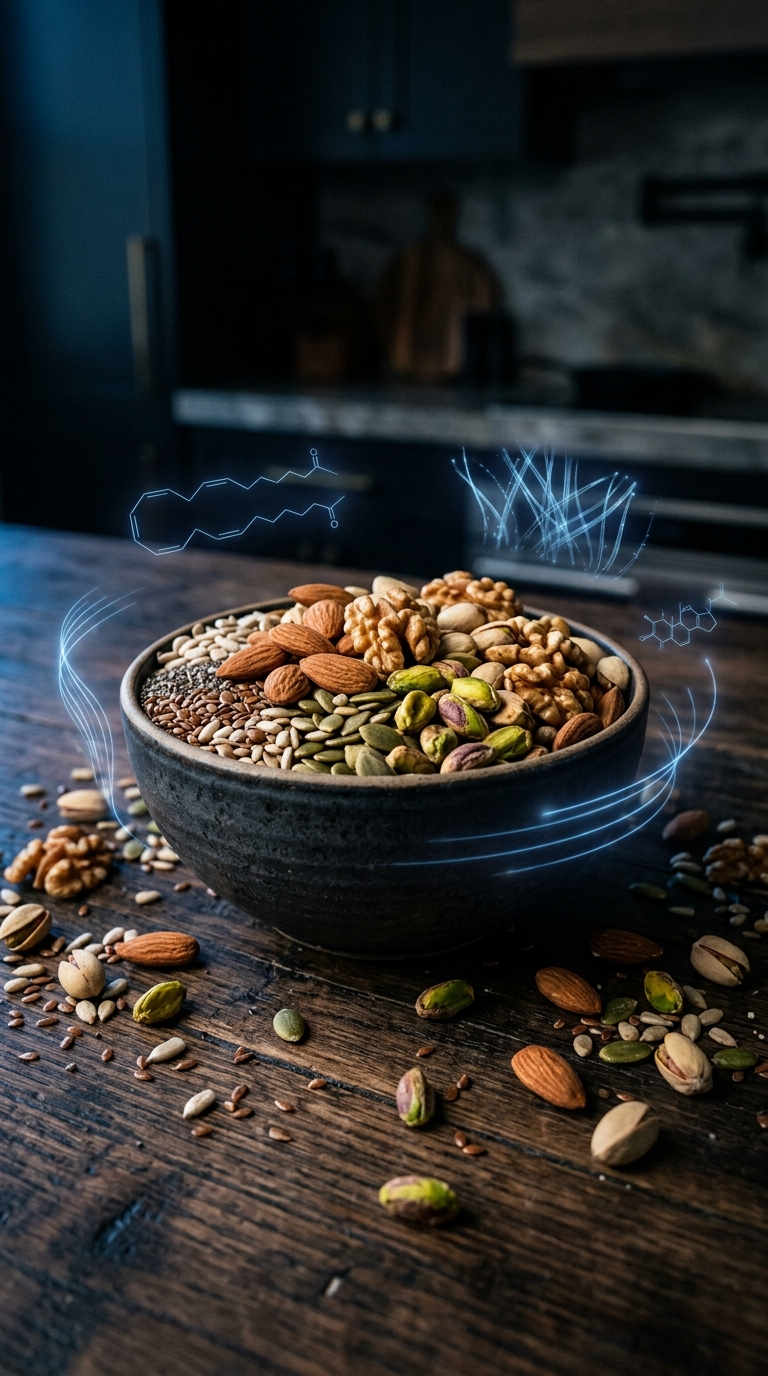
Mixed nuts

Nuts & Seeds

Healthy fats, protein, and fiber work together to keep you feeling full for longer.

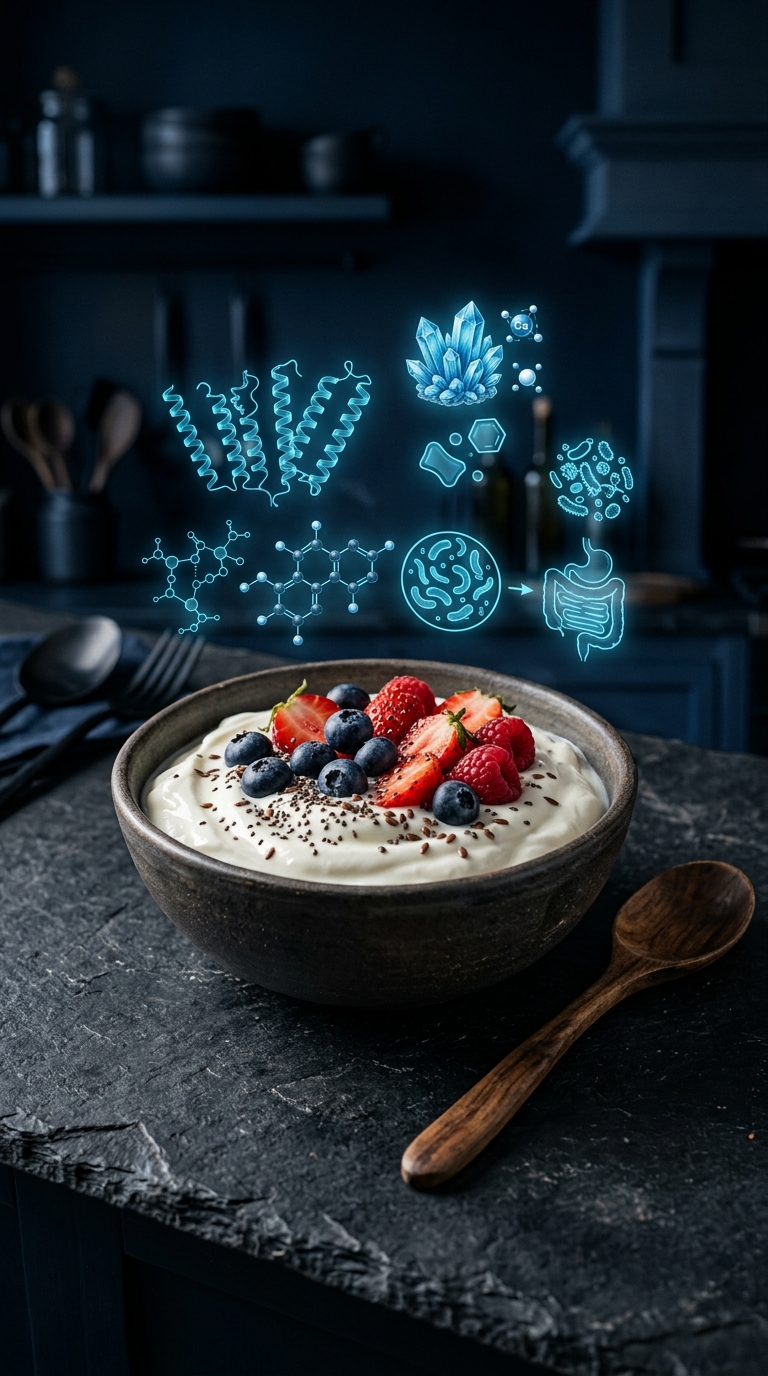
Greek yogurt

Greek Yogurt

A protein-rich snack that supports fullness and can be paired with fresh fruit for natural sweetness.

Fresh fruits

Fresh Fruits

Fruits provide natural sweetness along with fiber, vitamins, and antioxidants.

Vegetables

High-Fiber Vegetables

Fiber slows digestion and supports steady energy levels throughout the day.

Legumes

Beans & Legumes

Excellent sources of protein and fiber that help reduce hunger and support healthy eating habits.

Summary

Key Takeaways

Before you leave, here are the most important lessons to remember about sugar cravings and how to manage them effectively.

Sugar cravings are different from normal hunger and are influenced by your brain, hormones, emotions, and daily habits.

Poor sleep, chronic stress, dehydration, skipping meals, and blood sugar fluctuations can all increase cravings.

Protein-rich foods, high-fiber meals, regular eating patterns, and good hydration can help reduce cravings.

Managing stress and improving sleep are just as important as making healthier food choices.

Long-term healthy habits are more effective than trying to eliminate sugar completely.

Frequently Asked Questions FAQs

Frequently Asked Questions

Find answers to the most common questions about sugar cravings, healthy eating habits, nutrition, and practical ways to reduce cravings naturally.

01 Why do I crave sugar even when I'm not hungry?

Sugar cravings are different from physical hunger. They are often triggered by your brain's reward system, stress, poor sleep, emotions, dehydration, blood sugar fluctuations, or daily habits. Even after eating a meal, these factors can make you crave sweet foods without needing additional energy.

02 Are sugar cravings normal?

Yes. Occasional sugar cravings are completely normal and are part of how the brain responds to rewarding foods. However, frequent or intense cravings may be influenced by lifestyle factors such as poor sleep, chronic stress, irregular meals, or a diet high in processed foods.

03 Can dehydration cause sugar cravings?

Yes. Mild dehydration can sometimes be mistaken for hunger, increasing the desire to snack on sugary foods. Drinking enough water throughout the day may help reduce unnecessary cravings and improve appetite control.

04 Does poor sleep increase sugar cravings?

Yes. Poor sleep can disrupt hormones that regulate hunger and fullness, making high-sugar foods more appealing. Getting seven to nine hours of quality sleep each night may help reduce cravings and support healthier eating habits.

05 What foods help reduce sugar cravings?

Protein-rich foods, high-fiber vegetables, fruits, Greek yogurt, nuts, seeds, beans, and legumes can help you stay full for longer and maintain steady energy levels, making sugar cravings less frequent throughout the day.

06 Should I stop eating sugar completely?

For most people, completely avoiding sugar is unnecessary. A balanced eating pattern that limits excess added sugars while emphasizing whole, nutrient-dense foods is generally more sustainable and easier to maintain over the long term.

07 Can stress make me crave sweets?

Yes. Stress can increase the desire for sweet foods because the brain often associates sugar with comfort and reward. Regular exercise, stress management techniques, quality sleep, and balanced meals may help reduce stress-related cravings.

08 How long does it take to reduce sugar cravings?

The timeline varies from person to person. Many people notice fewer cravings within several days to a few weeks after eating balanced meals, staying hydrated, improving sleep, managing stress, and reducing highly processed sugary foods.

Continue Learning Continue Learning

Keep Exploring Fitness & Nutrition

Continue your learning journey with evidence-based guides covering nutrition, exercise, fat loss, muscle building, and healthy lifestyle habits.