Evidence-Based Supplement Guide

Science-Based Supplements

Learn which supplements are truly backed by science and which are simply marketing hype. Explore evidence-based guidance on protein, creatine, caffeine, omega-3, vitamins, minerals, hydration, recovery, muscle growth, fat loss, safety, dosage, and supplement quality to make informed decisions for your health and fitness goals.

Science-Based Supplements Guide

Research Backed

Evidence First

Safe Choices

Smart Supplementation

What You'll Learn

Learn how to choose supplements backed by scientific evidence instead of marketing hype. Understand which supplements actually work, who can benefit from them, proper dosage, safety considerations, quality standards, and how to build an effective supplement strategy for your health and fitness goals.

20+ Evidence-Based Topics

Explore scientifically studied supplements including protein, creatine, caffeine, omega-3, vitamins, minerals, electrolytes, pre-workouts, recovery supplements, and much more.

Research-Backed Recommendations

Learn what current scientific research says about supplement effectiveness, recommended dosages, timing, safety, and which products are actually worth your money.

Supplement Safely & Effectively

Discover how to identify high-quality supplements, avoid misleading marketing claims, understand potential side effects, and use supplements responsibly to support your nutrition and training.

Complete Learning Roadmap

Follow this step-by-step guide to understand science-based supplements—from the fundamentals of supplementation to evidence-backed products, supplement safety, quality standards, common myths, and practical recommendations for better health and performance.

Why Understanding Science-Based Supplements Matters

Dietary supplements have become an essential part of modern fitness and nutrition, yet they are also one of the most misunderstood topics in health. Every year, countless products promise rapid muscle growth, instant fat loss, increased energy, or faster recovery. While some supplements are supported by decades of scientific research, many rely primarily on marketing claims rather than strong clinical evidence. Understanding the difference is the key to making informed decisions.

Supplements are designed to complement a healthy diet—not replace it. Proper nutrition, consistent training, quality sleep, and recovery remain the foundation of long-term health and athletic performance. Evidence-based supplements can help fill nutritional gaps, improve exercise performance, support muscle growth, enhance recovery, or address specific deficiencies, but only when they are used appropriately and alongside healthy lifestyle habits.

Throughout this comprehensive guide, you'll learn which supplements are scientifically supported, who may benefit from them, recommended dosages, potential side effects, quality standards, and common myths surrounding supplementation. By understanding the science behind today's most popular supplements, you'll be able to separate facts from marketing hype and make safer, smarter decisions that genuinely support your health and fitness goals.

Chapter 01

What Are Dietary Supplements?

Dietary supplements are products designed to supplement your daily nutrition by providing nutrients or other bioactive compounds. They support—but do not replace—a balanced diet, regular exercise, and healthy lifestyle habits.

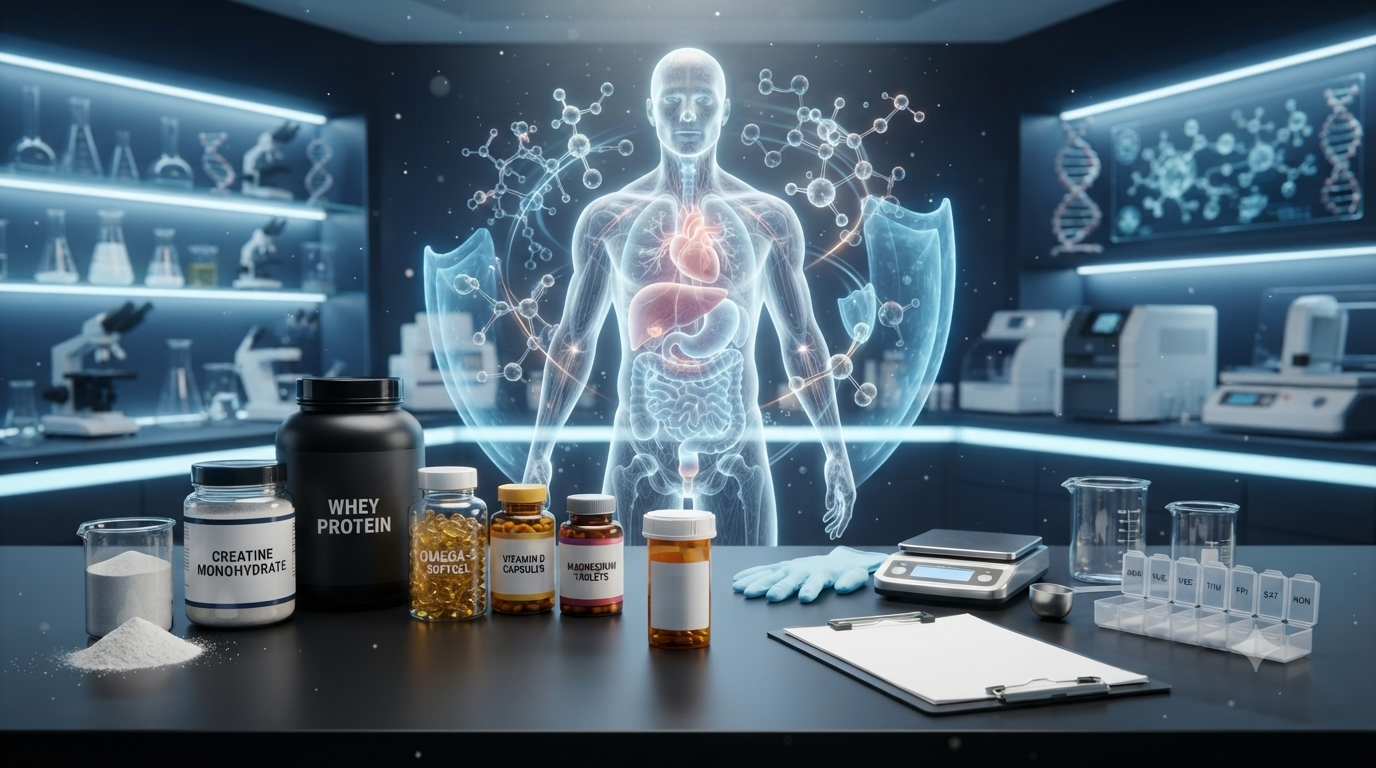
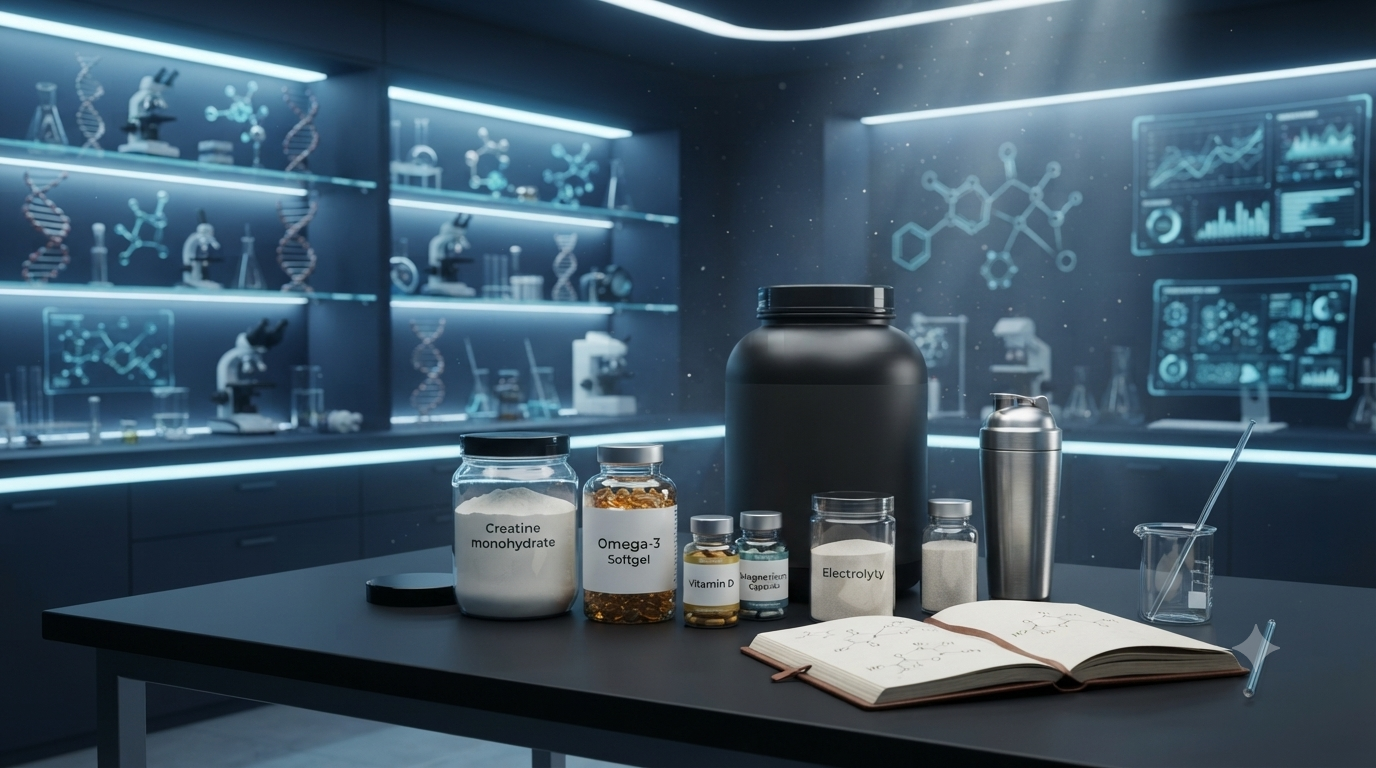
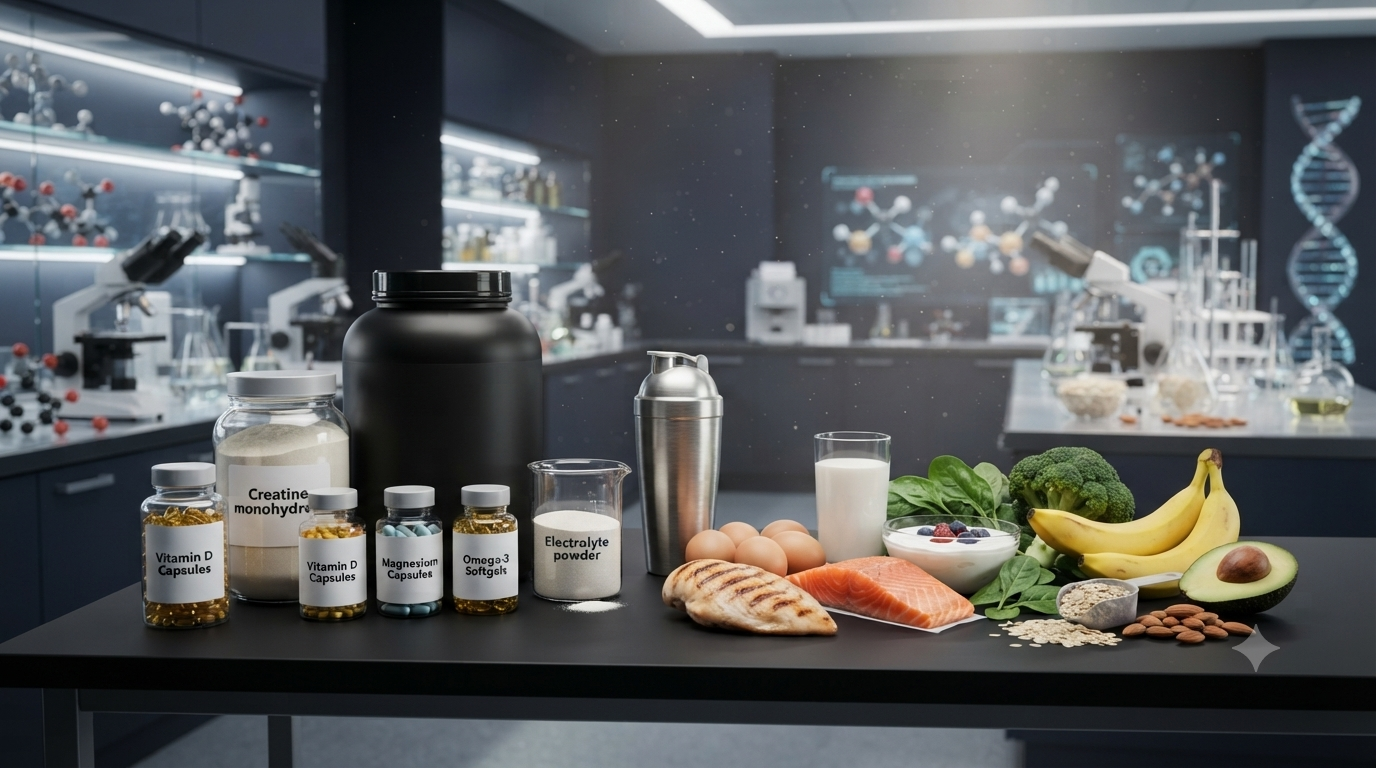
Illustration showing common dietary supplements including protein powder, creatine, vitamins, omega-3, and electrolyte supplements.
Science-based supplements can help support health and performance when used appropriately alongside proper nutrition and exercise.

Dietary supplements are products intended to provide nutrients or other beneficial compounds that may be missing from your diet or support specific health and fitness goals. They are available in many forms, including powders, capsules, tablets, softgels, liquids, gummies, and drink mixes. Unlike medications, supplements are not designed to diagnose, treat, cure, or prevent diseases.

Common supplements include protein powders, creatine monohydrate, vitamins, minerals, omega-3 fatty acids, electrolytes, probiotics, and caffeine. Some are supported by decades of scientific research demonstrating clear benefits for certain populations, while others have limited or inconsistent evidence. Understanding this difference helps you avoid spending money on products that offer little real benefit.

It's important to remember that supplements work best when they complement an already healthy lifestyle. A balanced diet, regular resistance training, sufficient sleep, stress management, and adequate hydration remain the foundation of good health and athletic performance. Supplements should fill nutritional gaps or provide targeted support—not replace nutritious foods or healthy habits.

Chapter 02

Do You Really Need Supplements?

Supplements can be helpful in specific situations, but they are not essential for everyone. Understanding when supplements are beneficial—and when they are unnecessary—helps you make smarter, evidence-based decisions.

Balanced comparison of healthy whole foods and dietary supplements demonstrating that supplements support, but do not replace, proper nutrition.
A balanced diet remains the foundation of health, while evidence-based supplements can provide additional support when needed.

One of the biggest misconceptions in fitness is that supplements are required to build muscle, lose fat, or improve athletic performance. In reality, most healthy individuals can meet the majority of their nutritional needs through a well-balanced diet consisting of whole foods. Supplements are intended to fill nutritional gaps or provide targeted support when specific needs cannot be met through food alone.

Certain groups may benefit more from supplementation, including athletes with high training volumes, older adults, individuals with diagnosed nutrient deficiencies, people following vegetarian or vegan diets, those with limited sun exposure, or individuals who struggle to consume adequate protein or calories. In these situations, carefully selected supplements may help improve nutrient intake, exercise performance, recovery, or overall health.

Before purchasing any supplement, it's important to evaluate your overall lifestyle. Consistent resistance training, a nutritious diet, adequate sleep, stress management, and proper hydration have a much greater impact on long-term health and fitness than any supplement. Once these fundamentals are established, evidence-based supplements may offer additional benefits—but they should never replace healthy habits.

Chapter 03

The Supplement Evidence Pyramid

Not all supplements are supported by the same level of scientific evidence. The Supplement Evidence Pyramid helps prioritize products based on the strength of current research, allowing you to invest in supplements that are most likely to be safe and effective.

Illustration showing the evidence pyramid ranking dietary supplements from strongest scientific evidence to weakest.
Prioritize supplements supported by strong scientific research before considering products with limited or insufficient evidence.

Scientific evidence is the most reliable way to evaluate whether a supplement actually works. While thousands of supplements are available on the market, only a relatively small number have consistently demonstrated meaningful benefits in high-quality human research. The Supplement Evidence Pyramid organizes supplements according to the strength of available scientific evidence.

At the base of the pyramid are supplements with the strongest scientific support, including protein supplements, creatine monohydrate, caffeine, and electrolyte solutions used in appropriate situations. These have been extensively studied and have repeatedly demonstrated benefits for exercise performance, recovery, muscle growth, or correcting nutritional deficiencies when used correctly.

As you move toward the top of the pyramid, scientific evidence becomes weaker or less consistent. Many products marketed as fat burners, testosterone boosters, detox formulas, or miracle muscle builders often rely on exaggerated marketing claims rather than strong clinical research. Understanding this hierarchy helps you avoid unnecessary expenses and focus on supplements that provide genuine value.

Chapter 04

Protein Supplements

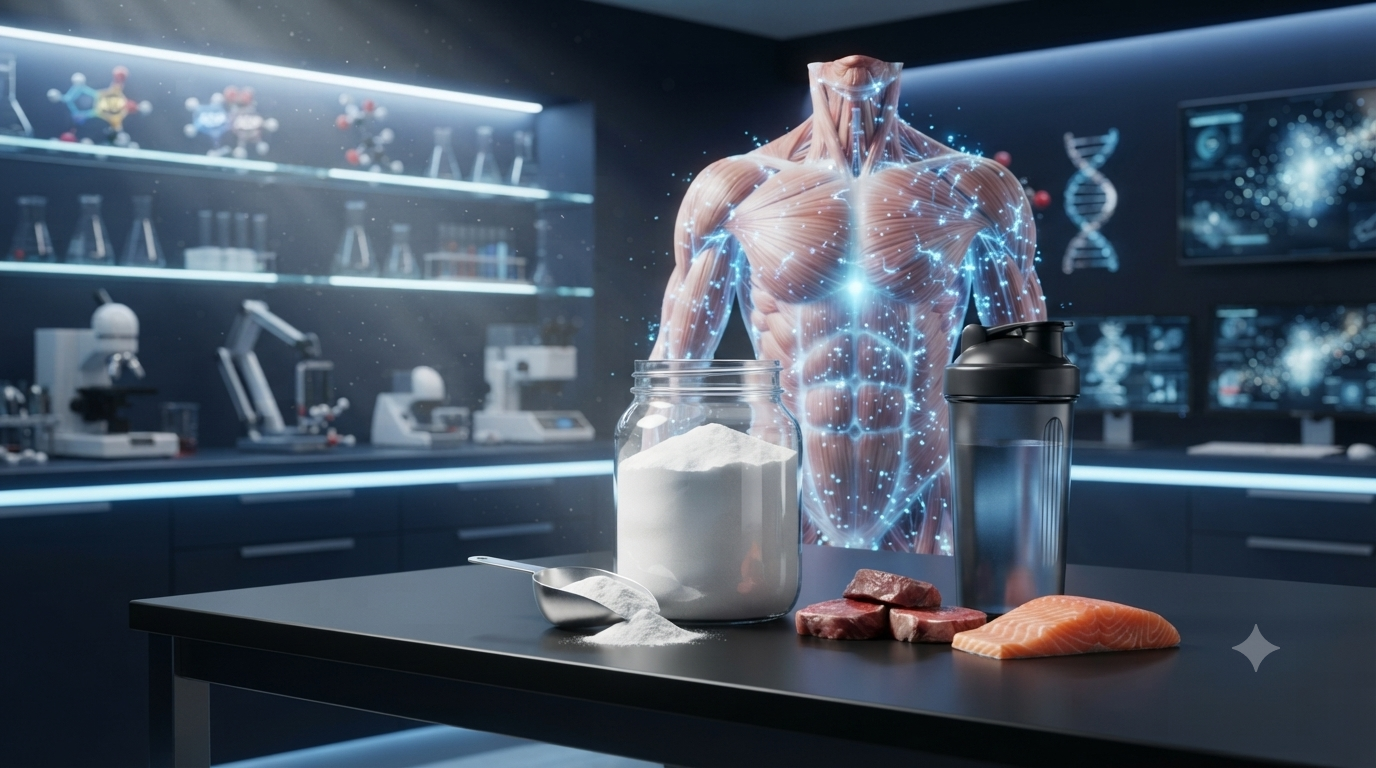
Protein supplements are among the most extensively researched sports nutrition products. They provide a convenient way to increase daily protein intake and can support muscle growth, recovery, strength development, and overall health when combined with proper training and nutrition.

Illustration showing whey protein powder, protein shake, and high-protein whole foods.
Protein supplements help individuals meet their daily protein requirements when whole foods alone are not sufficient.

Protein is one of the essential macronutrients required for building, repairing, and maintaining muscles, bones, skin, enzymes, hormones, and many other tissues throughout the body. While most people can obtain adequate protein from whole foods, protein supplements offer a practical and convenient option for individuals with higher protein requirements or busy lifestyles.

Whey protein is the most popular protein supplement because it is rich in essential amino acids, particularly leucine, which plays a key role in stimulating muscle protein synthesis. Other high-quality options include casein protein, soy protein, pea protein, rice protein, and blended plant-based proteins, making supplementation suitable for both omnivores and vegetarians.

Research consistently shows that total daily protein intake is far more important than the timing of a protein shake. Protein supplements are simply another food source that can help you reach your daily protein target. They are most beneficial when whole foods are unavailable, after training for convenience, or when increasing dietary protein intake is otherwise difficult.

Chapter 05

Creatine Monohydrate

Creatine monohydrate is one of the most researched and effective sports supplements available. It supports high-intensity exercise performance, muscle strength, power output, recovery, and lean muscle growth when combined with regular resistance training.

Illustration showing creatine monohydrate powder, muscle energy production, and resistance training.
Creatine helps replenish ATP, the body's primary energy source for short-duration, high-intensity activities such as weightlifting and sprinting.

Creatine is a naturally occurring compound found in small amounts in foods such as red meat and fish and is also produced by the liver, kidneys, and pancreas. Approximately 95% of the body's creatine is stored in skeletal muscles, where it helps regenerate adenosine triphosphate (ATP), the primary source of energy for short bursts of high-intensity activity.

Creatine monohydrate is the most extensively studied form of creatine and has consistently demonstrated improvements in strength, power, sprint performance, training volume, and lean muscle mass when combined with resistance training. It is widely recognized as one of the safest and most effective performance supplements for healthy individuals.

Most people can effectively maintain muscle creatine stores by consuming approximately 3–5 grams of creatine monohydrate daily. A loading phase is optional rather than necessary. Adequate hydration should be maintained while using creatine, but current scientific evidence does not support common myths that creatine damages healthy kidneys, causes dehydration, or inevitably leads to muscle cramps in healthy users.

Chapter 06

Caffeine & Performance

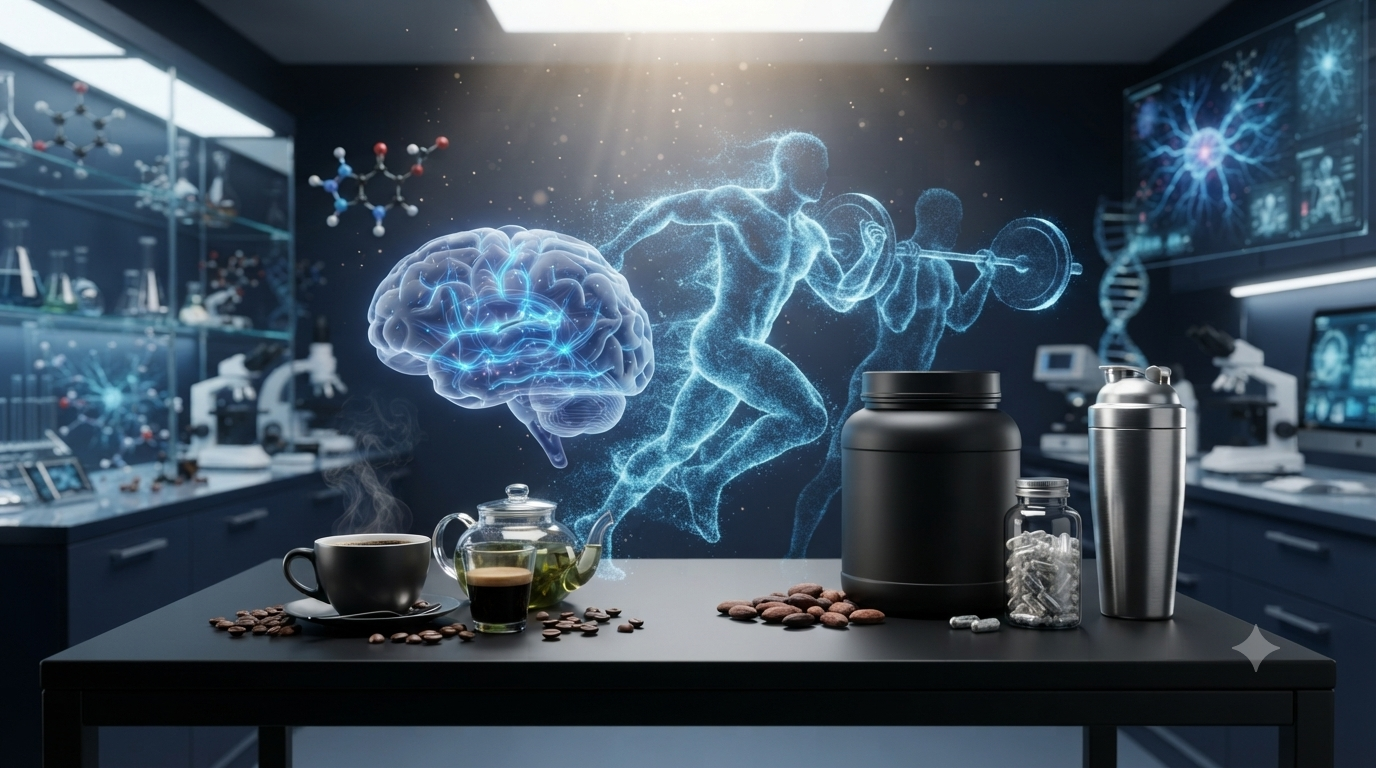
Caffeine is one of the most widely consumed and scientifically studied performance-enhancing supplements. When used appropriately, it can improve alertness, focus, endurance, strength, power, and exercise performance while reducing the perception of fatigue.

Illustration showing caffeine sources such as coffee and pre-workout supplements supporting athletic performance.
Caffeine stimulates the central nervous system, helping many people feel more alert and perform better during demanding physical and mental activities.

Caffeine is a naturally occurring stimulant found in coffee, tea, cocoa, and several other plants. It works primarily by blocking adenosine receptors in the brain, reducing feelings of tiredness and increasing alertness. Because of these effects, caffeine has become one of the most effective and extensively researched supplements for improving exercise performance.

Research shows that caffeine can enhance endurance, muscular endurance, reaction time, concentration, and power output in many individuals. It is commonly consumed through coffee, tea, energy drinks, pre-workout supplements, or caffeine capsules. Although responses vary from person to person, many healthy adults experience performance benefits when consuming moderate amounts approximately 30–60 minutes before exercise.

Despite its benefits, caffeine is not appropriate for everyone. Excessive intake may cause jitteriness, anxiety, digestive discomfort, elevated heart rate, or sleep disturbances. Individuals who are sensitive to caffeine or who exercise later in the day may benefit from using smaller amounts or avoiding it before evening workouts to protect sleep quality.

Chapter 07

Vitamins, Minerals & Omega-3

Vitamins, minerals, and omega-3 fatty acids are essential nutrients that support countless biological processes, including energy production, immune function, bone health, muscle contraction, heart health, and brain function. Supplements may be beneficial when dietary intake or nutrient status is inadequate.

Illustration showing vitamins, minerals, omega-3 supplements, and nutrient-rich whole foods.
A nutrient-rich diet should be the primary source of vitamins and minerals, while supplements can help address specific deficiencies or increased nutritional needs.

Vitamins and minerals are micronutrients required in small amounts, yet they play essential roles in nearly every system of the human body. They support metabolism, muscle contraction, nerve signaling, oxygen transport, immune defense, hormone production, and tissue repair. Although a balanced diet usually provides adequate amounts, certain individuals may benefit from supplementation when nutritional needs are not being met.

Vitamin D, calcium, magnesium, iron, vitamin B12, and zinc are among the nutrients most commonly supplemented in specific populations. Likewise, omega-3 fatty acids—primarily EPA and DHA—are important for cardiovascular health, brain function, vision, and inflammation regulation. Individuals who consume little oily fish or have increased nutritional requirements may benefit from omega-3 supplementation after consulting a healthcare professional.

More is not always better when it comes to micronutrients. Excessive supplementation can sometimes lead to unwanted side effects or interfere with the absorption of other nutrients. Whenever possible, prioritize obtaining vitamins, minerals, and healthy fats through a varied diet rich in fruits, vegetables, whole grains, legumes, dairy, nuts, seeds, seafood, and other nutrient-dense foods.

Chapter 08

Pre-Workout & Recovery Supplements

Pre-workout and recovery supplements are designed to support exercise performance, reduce fatigue, and promote recovery after training. While some ingredients have strong scientific support, many products contain unnecessary compounds or exaggerated marketing claims.

Illustration showing pre-workout supplements, recovery nutrition, and post-workout hydration.
Effective pre-workout and recovery strategies rely on evidence-based ingredients combined with proper nutrition, hydration, and sleep.

Pre-workout supplements are formulated to improve exercise performance by increasing alertness, focus, endurance, or blood flow before training. Many products contain ingredients such as caffeine, creatine, beta-alanine, citrulline malate, electrolytes, and carbohydrates. However, the effectiveness of a pre-workout depends on its ingredients and their dosages—not on flashy packaging or marketing promises.

Recovery supplements are intended to help restore the body after exercise by supporting muscle repair, glycogen replenishment, hydration, and overall recovery. Protein supplements, carbohydrate-rich foods, electrolyte solutions, and adequate fluid intake are among the most practical and evidence-based recovery strategies. Recovery supplements work best when combined with sufficient sleep, balanced nutrition, and an appropriate training program.

Many commercial products include proprietary blends or dozens of ingredients that provide little additional benefit. Before purchasing any supplement, focus on products containing well-researched ingredients with transparent labeling and realistic expectations. Remember that no supplement can compensate for poor training habits, inadequate nutrition, or insufficient recovery.

Chapter 09

Choosing High-Quality Supplements

Not all supplements are created equally. Choosing products from reputable manufacturers with transparent labeling and third-party quality testing helps ensure safety, purity, and accurate ingredient content.

Illustration showing high-quality dietary supplements undergoing laboratory quality testing.
High-quality supplements are manufactured with strict quality standards, transparent ingredient labels, and independent laboratory testing.

The dietary supplement market offers thousands of products, but quality can vary significantly between manufacturers. Some products contain exactly what the label claims, while others may contain lower ingredient amounts, contaminants, or unnecessary additives. Learning how to evaluate supplement quality helps you make safer and more informed purchasing decisions.

Look for products that provide transparent ingredient lists with clearly stated dosages instead of proprietary blends that hide the amount of each ingredient. Supplements that undergo independent third-party testing for purity, identity, and quality offer additional confidence that the product contains what is listed on the label and is free from many common contaminants.

Be cautious of products making unrealistic promises such as rapid muscle growth, instant fat loss, hormone boosting, or miracle transformations. If a supplement sounds too good to be true, it probably is. Prioritize companies that emphasize scientific research, manufacturing quality, and ingredient transparency over aggressive marketing claims.

Chapter 10

Safety, Side Effects & Interactions

Although many dietary supplements are safe when used appropriately, no supplement is completely risk-free. Understanding possible side effects, medication interactions, and appropriate dosages helps you make informed decisions and reduce unnecessary health risks.

Illustration showing dietary supplement safety, medication interactions, and responsible supplement use.
Responsible supplement use involves appropriate dosages, awareness of potential side effects, and consideration of interactions with medications or existing health conditions.

Dietary supplements can provide meaningful health and performance benefits when they are used correctly, but they should never be assumed to be completely harmless simply because they are sold without a prescription. Individual responses vary, and factors such as age, existing medical conditions, pregnancy, medication use, and dosage all influence supplement safety.

Some supplements may cause side effects such as digestive discomfort, headaches, increased heart rate, allergic reactions, or sleep disturbances, particularly when taken in excessive amounts. Certain vitamins and minerals can also become harmful when consumed above recommended levels because excess intake may accumulate in the body or interfere with normal physiological processes.

Supplements may also interact with prescription medications or other supplements. For example, some ingredients can affect blood clotting, blood pressure, blood sugar, or the absorption of medications. Reading product labels carefully, following recommended serving sizes, and consulting a qualified healthcare professional when you have medical conditions or take prescription medicines are important steps toward safe supplementation.

Summary

Key Takeaways

Science-based supplementation begins with a healthy diet, consistent training, and quality sleep. Evidence-based supplements can support health and performance, but they work best when chosen carefully, used responsibly, and backed by reliable scientific research.

Food Comes First

A balanced diet should provide the majority of your nutrients. Supplements are designed to complement healthy eating, not replace nutrient-rich whole foods.

Choose Evidence-Based Supplements

Prioritize supplements with strong scientific support, such as protein, creatine monohydrate, caffeine, and omega-3 fatty acids when they align with your goals and nutritional needs.

Look Beyond Marketing

Don't be influenced by bold advertising claims. Evaluate products based on transparent ingredient labels, appropriate dosages, and reputable manufacturing practices.

Use Supplements Responsibly

Follow recommended serving sizes, understand possible side effects, and consider medication interactions or existing health conditions before using any supplement.

Focus on Quality

Select products from trusted manufacturers that provide transparent ingredient information and independent quality testing whenever possible.

Supplements Support—They Don't Replace

Long-term health, muscle growth, and athletic performance depend primarily on consistent training, balanced nutrition, adequate recovery, and healthy lifestyle habits—not supplements alone.

Frequently Asked Questions FAQs

Frequently Asked Questions

Find answers to the most common questions about science-based supplements, protein, creatine, caffeine, vitamins, supplement safety, and choosing high-quality products.

01 Do I really need dietary supplements?

Not necessarily. Most healthy individuals can meet their nutritional needs through a balanced diet. Supplements are intended to complement good nutrition and may be beneficial when dietary intake is insufficient, nutritional requirements are increased, or a specific deficiency has been identified.

02 Which supplements have the strongest scientific evidence?

Among sports nutrition supplements, protein supplements, creatine monohydrate, and caffeine have the strongest evidence for improving exercise performance or supporting muscle development when used appropriately. Certain vitamins, minerals, and omega-3 fatty acids may also be beneficial for individuals with specific nutritional needs or deficiencies.

03 Is creatine monohydrate safe?

Current scientific evidence indicates that creatine monohydrate is safe for most healthy adults when used as directed. It is one of the most extensively researched sports supplements and has consistently demonstrated benefits for strength, power, and high-intensity exercise performance.

04 Should I take protein supplements every day?

Protein supplements are simply a convenient way to increase daily protein intake. Whether you use them every day depends on how much protein you obtain from your regular diet. Whole foods should remain your primary protein source whenever possible.

05 Can I take multiple supplements together?

Many supplements can be used together, but combining products may increase the risk of consuming excessive amounts of certain ingredients. Always read ingredient labels carefully and avoid unnecessary duplication. If you take prescription medications or have a medical condition, consult a qualified healthcare professional before combining supplements.

06 How can I identify a high-quality supplement?

Choose products from reputable manufacturers that provide transparent ingredient labels, clearly stated dosages, and independent third-party quality testing whenever possible. Be cautious of supplements that make unrealistic health or performance claims.

07 Are natural supplements always safe?

No. A product being labeled as "natural" does not guarantee safety or effectiveness. Some natural ingredients may cause side effects, interact with medications, or be unsuitable for certain individuals. Always use supplements responsibly and according to recommended serving sizes.

08 What is the most important rule for supplement use?

Build your foundation with consistent training, balanced nutrition, quality sleep, and healthy lifestyle habits first. Supplements should support these fundamentals—not replace them. Choose evidence-based products, follow recommended dosages, and focus on long-term health rather than quick results.

Continue Learning Continue Learning

Supplement Smarter. Build a Stronger, Healthier You.

The best supplements support your nutrition—they never replace it. By understanding the scientific evidence, selecting high-quality products, following appropriate dosages, and prioritizing balanced nutrition, training, recovery, and healthy lifestyle habits, you can make informed decisions that support long-term health and athletic performance. Continue expanding your knowledge with evidence-based fitness education and learn how nutrition, supplementation, and training work together to help you achieve your goals safely and effectively.

"The strongest supplement is knowledge. Everything else is simply support." — Atul Tomar Fitness