Evidence-Based Muscle Building Guide

Muscle Building Science

Discover the complete science of muscle building with this evidence-based guide. Learn how muscles actually grow through hypertrophy, muscle protein synthesis, progressive overload, mechanical tension, recovery, nutrition, and scientifically proven training principles to maximize strength, size, and long-term performance.

Muscle Building Science Guide

Hypertrophy

Build More Muscle

Progressive Overload

Grow Stronger

What You'll Learn

Master the complete science of muscle building—from understanding how muscles grow to applying evidence-based training, nutrition, recovery, and progressive overload principles for maximum muscle development.

20+ Learning Topics

Explore every essential concept, including muscle hypertrophy, training principles, progressive overload, recovery, and long-term muscle growth.

Science-Based Learning

Understand the latest evidence-backed exercise science with simple, practical explanations that are easy to understand and apply.

Build Muscle Smarter

Learn how training, nutrition, sleep, recovery, and consistency work together to maximize strength, muscle size, and athletic performance.

Complete Learning Roadmap

Follow this step-by-step guide to understand the complete science of muscle building—from muscle hypertrophy and training principles to nutrition, recovery, and evidence-based strategies for maximizing muscle growth.

Why Understanding Muscle Building Matters

Building muscle is much more than simply lifting heavy weights. Muscle growth is a complex biological process that involves resistance training, mechanical tension, muscle protein synthesis, proper nutrition, recovery, and progressive overload. Understanding these scientific principles helps you train more effectively and achieve better long-term results.

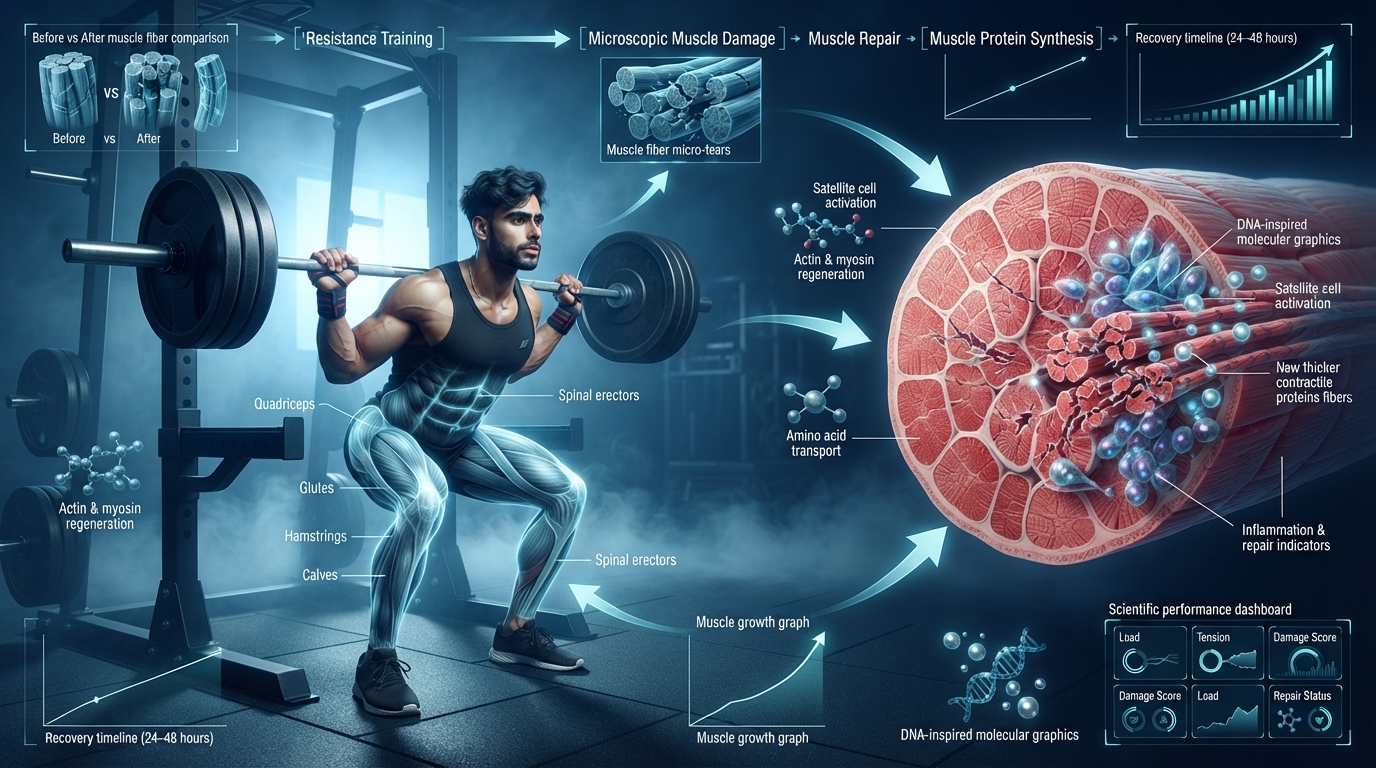
Every strength training session places stress on your muscles, creating a stimulus for adaptation rather than simply causing damage. During recovery, your body repairs and strengthens muscle fibers, making them slightly larger and stronger than before. Repeating this cycle consistently is the foundation of muscle hypertrophy.

Throughout this guide, you'll explore the complete science behind muscle growth—from how muscles adapt to resistance training and why progressive overload is essential to the roles of nutrition, sleep, recovery, and evidence-based training strategies. By understanding how your body actually builds muscle, you'll be able to train smarter, recover better, and maximize your strength and physique.

Chapter 01

What is Muscle Building?

Muscle building is more than simply lifting weights. It is a scientific process in which your body adapts to resistance training by repairing and strengthening muscle fibers, making them larger, stronger, and more efficient over time.

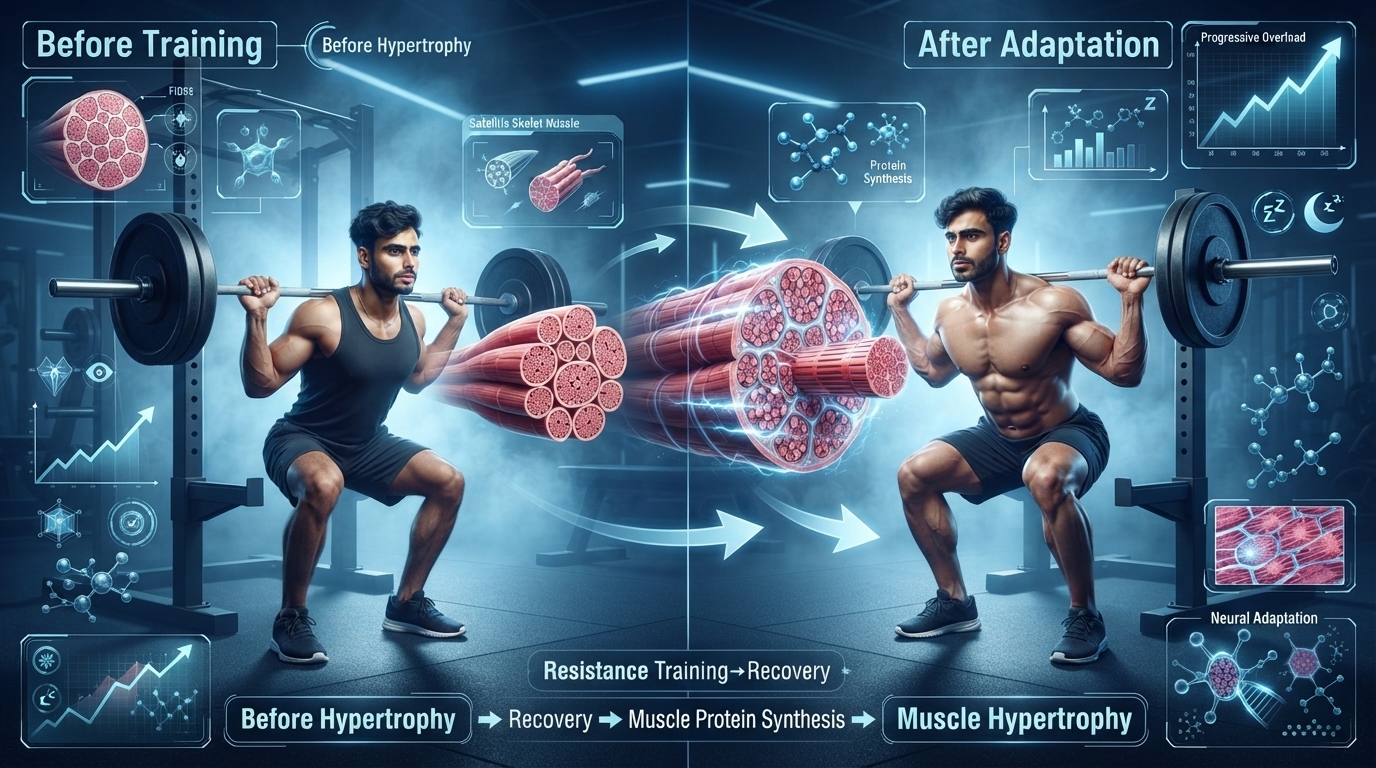
Illustration showing muscle growth after resistance training.
Muscle building occurs when resistance training and recovery work together to stimulate muscle hypertrophy.

Muscle building, also known as muscle hypertrophy, is the process through which muscle fibers increase in size after repeatedly adapting to resistance training. This adaptation allows your muscles to become stronger, larger, and more capable of handling future physical demands.

During exercises like squats, bench presses, deadlifts, and pull-ups, your muscles experience mechanical tension. This training stimulus signals your body to repair and reinforce the affected muscle fibers during recovery. When this process is repeated consistently with proper nutrition and rest, muscle growth gradually occurs.

Muscle building is influenced by several factors, including training intensity, progressive overload, adequate protein intake, sufficient calories, sleep quality, genetics, and recovery. Understanding how these factors work together helps you train smarter instead of simply training harder.

Chapter 02

Muscle Hypertrophy Explained

Muscle hypertrophy is the scientific term for muscle growth. It occurs when resistance training stimulates your muscles to adapt, resulting in larger, stronger muscle fibers over time.

Illustration showing muscle fibers increasing in size during hypertrophy.
Muscle hypertrophy increases the size of existing muscle fibers through consistent resistance training, proper nutrition, and recovery.

Muscle hypertrophy refers to the enlargement of existing muscle fibers—not the creation of new muscle cells. When you challenge your muscles through resistance training, your body responds by repairing and strengthening these fibers so they can better handle future workloads.

Every workout creates a stimulus that activates muscle protein synthesis. During recovery, your body repairs microscopic damage, adds new contractile proteins, and slightly increases the size of muscle fibers. Repeating this process consistently leads to gradual increases in muscle mass and strength.

Effective muscle hypertrophy depends on several factors working together, including progressive overload, adequate training volume, proper protein intake, sufficient calories, quality sleep, and enough recovery time between workouts. Without these factors, muscle growth is limited regardless of how hard you train.

Chapter 03

Muscle Fibers & Types

Not all muscle fibers are the same. Different fiber types have unique characteristics that influence strength, endurance, power, and how your muscles respond to resistance training.

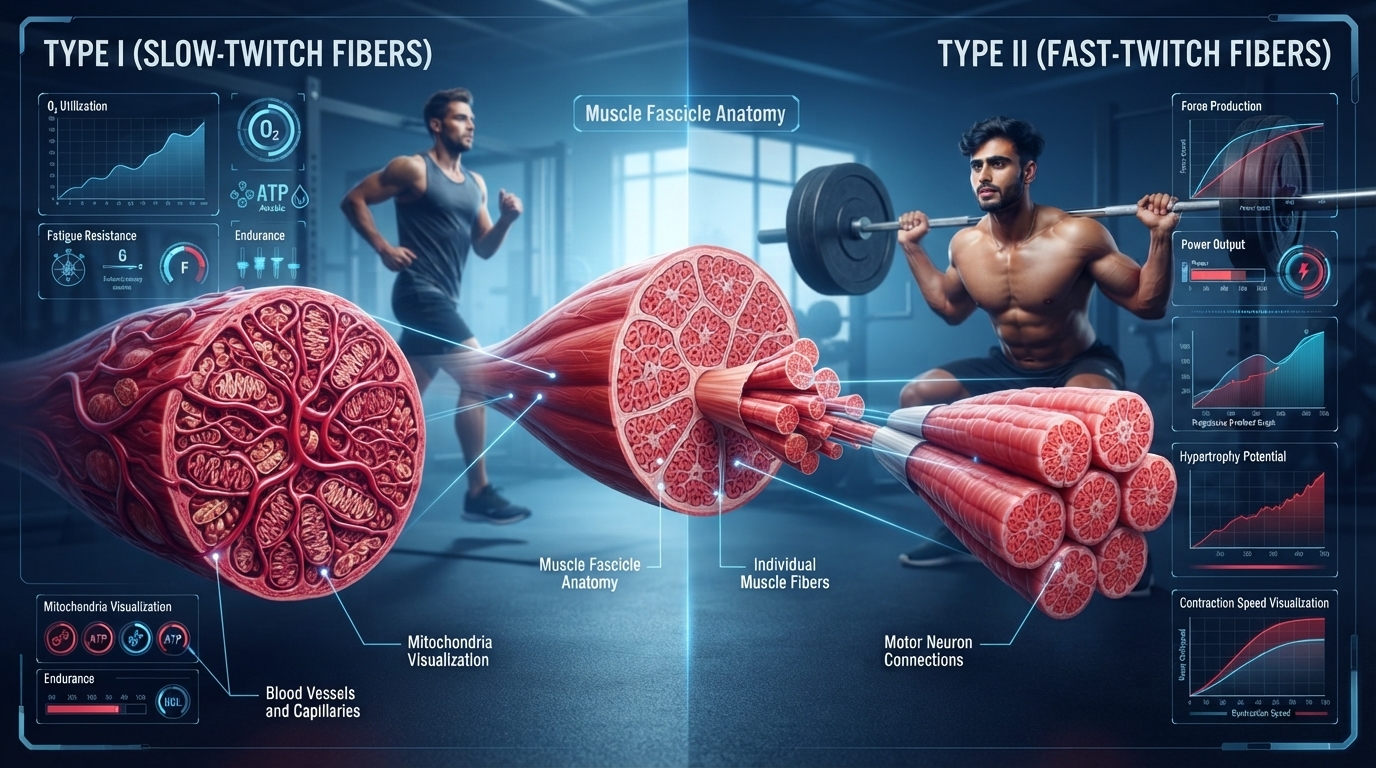
Illustration comparing Type I and Type II muscle fibers.
Human skeletal muscles contain different fiber types, each specialized for endurance, strength, or explosive power.

Skeletal muscles are made up of thousands of individual muscle fibers. These fibers contract to produce movement, but they are not all identical. Each fiber type has unique structural and physiological characteristics that determine how it performs during different kinds of exercise.

Muscle fibers are generally classified into two primary categories: Type I (Slow-Twitch) and Type II (Fast-Twitch). Slow-twitch fibers are highly resistant to fatigue and are best suited for endurance activities such as running or cycling. Fast-twitch fibers generate greater force and power, making them ideal for sprinting, jumping, and heavy resistance training.

Although genetics influence the proportion of each fiber type, resistance training can significantly improve the size, strength, and efficiency of both. Heavy compound exercises, progressive overload, proper nutrition, and recovery stimulate fast-twitch fibers especially, contributing to greater muscle hypertrophy and strength gains.

Chapter 04

Muscle Protein Synthesis (MPS)

Muscle Protein Synthesis (MPS) is the biological process responsible for repairing and building muscle tissue after resistance training. It is one of the most important mechanisms behind muscle growth and strength development.

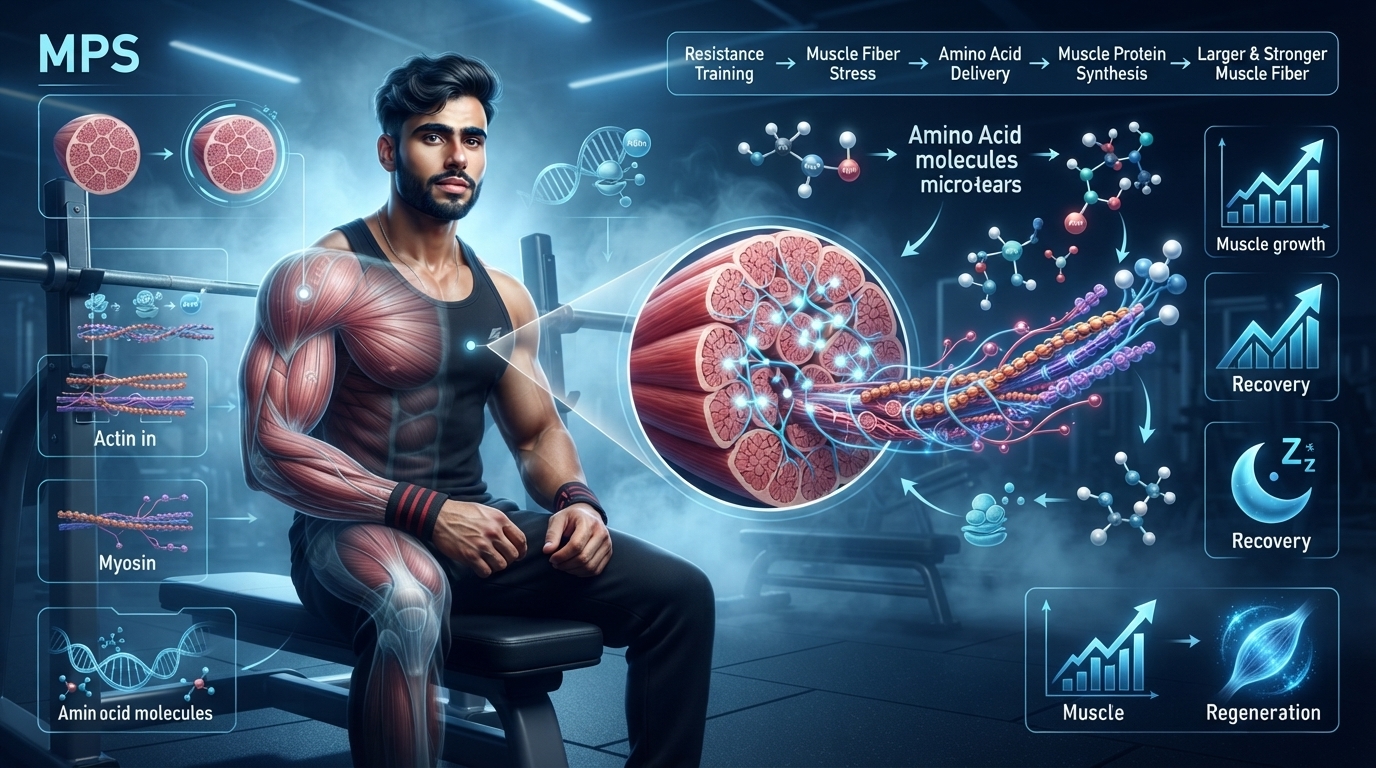
Illustration showing muscle protein synthesis repairing and growing muscle fibers.
Muscle protein synthesis repairs damaged muscle fibers and builds stronger, larger muscles after resistance training.

Muscle Protein Synthesis (MPS) is the process through which your body repairs damaged muscle fibers and creates new muscle proteins following resistance training. Every workout provides a stimulus, but muscles become stronger and larger only when protein synthesis exceeds muscle protein breakdown.

During strength training, muscle fibers experience microscopic stress. After your workout, amino acids from dietary protein are delivered to these fibers, where they are used to repair damaged tissue and build new contractile proteins such as actin and myosin. This repair process gradually increases muscle size and strength over time.

Resistance training, adequate protein intake, sufficient calories, and quality sleep all work together to maximize Muscle Protein Synthesis. Without enough recovery or nutrition, muscle protein breakdown can exceed synthesis, limiting muscle growth and slowing recovery.

Chapter 05

Progressive Overload

Progressive overload is the gradual increase of training demands over time. By consistently challenging your muscles with greater resistance, volume, or intensity, your body is forced to adapt by becoming stronger and building more muscle.

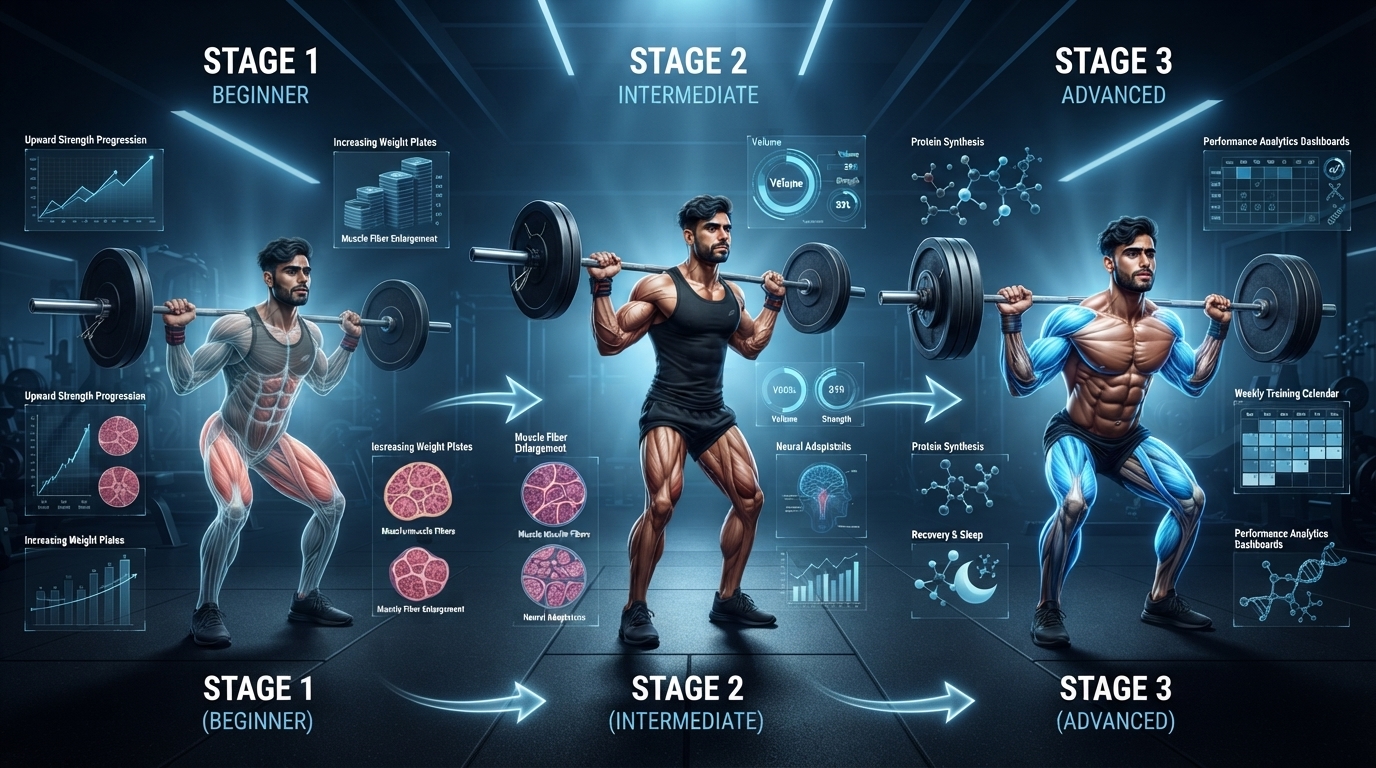
Illustration showing progressive overload through increasing training intensity and muscle adaptation.
Gradually increasing training stress encourages muscles to adapt, leading to continuous improvements in strength and muscle size.

Progressive overload is one of the most important principles of muscle building. It means gradually increasing the challenge placed on your muscles so they continue adapting instead of becoming comfortable with the same workload.

Overload can be achieved in several ways, including lifting heavier weights, performing more repetitions, increasing the number of sets, improving exercise technique, reducing rest periods, or increasing training frequency. Even small improvements over time create a powerful stimulus for muscle growth.

Without progressive overload, your muscles eventually adapt to your current training routine and stop growing. Consistently providing a slightly greater challenge forces your body to repair, strengthen, and enlarge muscle fibers, resulting in long-term increases in muscle mass and performance.

Chapter 06

Mechanical Tension

Mechanical tension is the primary stimulus for muscle growth. When muscles generate force against resistance through a full range of motion, they receive the signal to adapt by becoming larger and stronger.

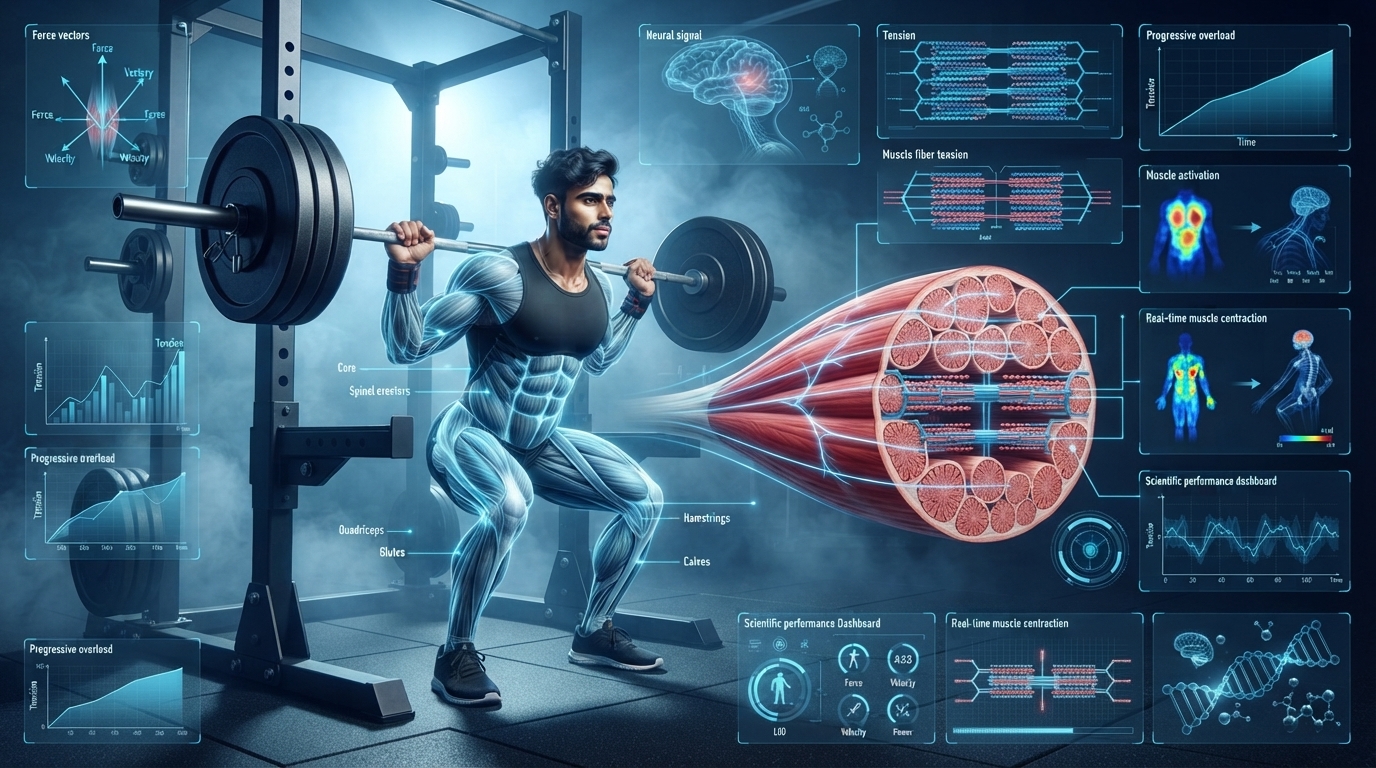
Illustration showing muscle fibers experiencing mechanical tension during resistance training.
Heavy resistance training creates mechanical tension within muscle fibers, triggering the biological processes responsible for muscle hypertrophy.

Mechanical tension occurs when muscles contract against resistance while producing force. It is widely considered the most important driver of muscle hypertrophy because it activates the cellular signaling pathways responsible for muscle growth.

During exercises such as squats, bench presses, deadlifts, and pull-ups, muscle fibers experience high levels of tension as they resist external loads. This mechanical stress stimulates muscle cells to begin repairing and strengthening themselves through Muscle Protein Synthesis, resulting in gradual increases in muscle size.

Maximizing mechanical tension requires proper exercise technique, progressive overload, controlled repetitions, and an adequate range of motion. Consistently exposing muscles to greater tension over time encourages continuous adaptation, leading to improved strength and long-term muscle growth.

Chapter 07

Muscle Damage

Resistance training creates microscopic damage within muscle fibers. This controlled damage acts as a biological signal that initiates repair and adaptation, ultimately contributing to stronger and larger muscles when combined with proper recovery.

Illustration showing microscopic muscle fiber damage after resistance training.
Microscopic muscle fiber damage triggers the body's repair process, leading to muscle adaptation and hypertrophy.

Muscle damage refers to the tiny microscopic disruptions that occur within muscle fibers during challenging resistance training. Although the word "damage" sounds harmful, this is a normal and beneficial part of the muscle-building process.

Exercises performed with sufficient intensity—especially those emphasizing the eccentric (lowering) phase—create small disruptions in muscle fibers and surrounding connective tissue. These microscopic changes activate the body's repair mechanisms, increasing Muscle Protein Synthesis and strengthening the affected muscle fibers.

Muscle damage alone does not guarantee muscle growth. It works together with mechanical tension, progressive overload, proper nutrition, adequate protein intake, and sufficient recovery. Excessive muscle damage without enough recovery can actually reduce performance and delay progress.

Chapter 08

Metabolic Stress

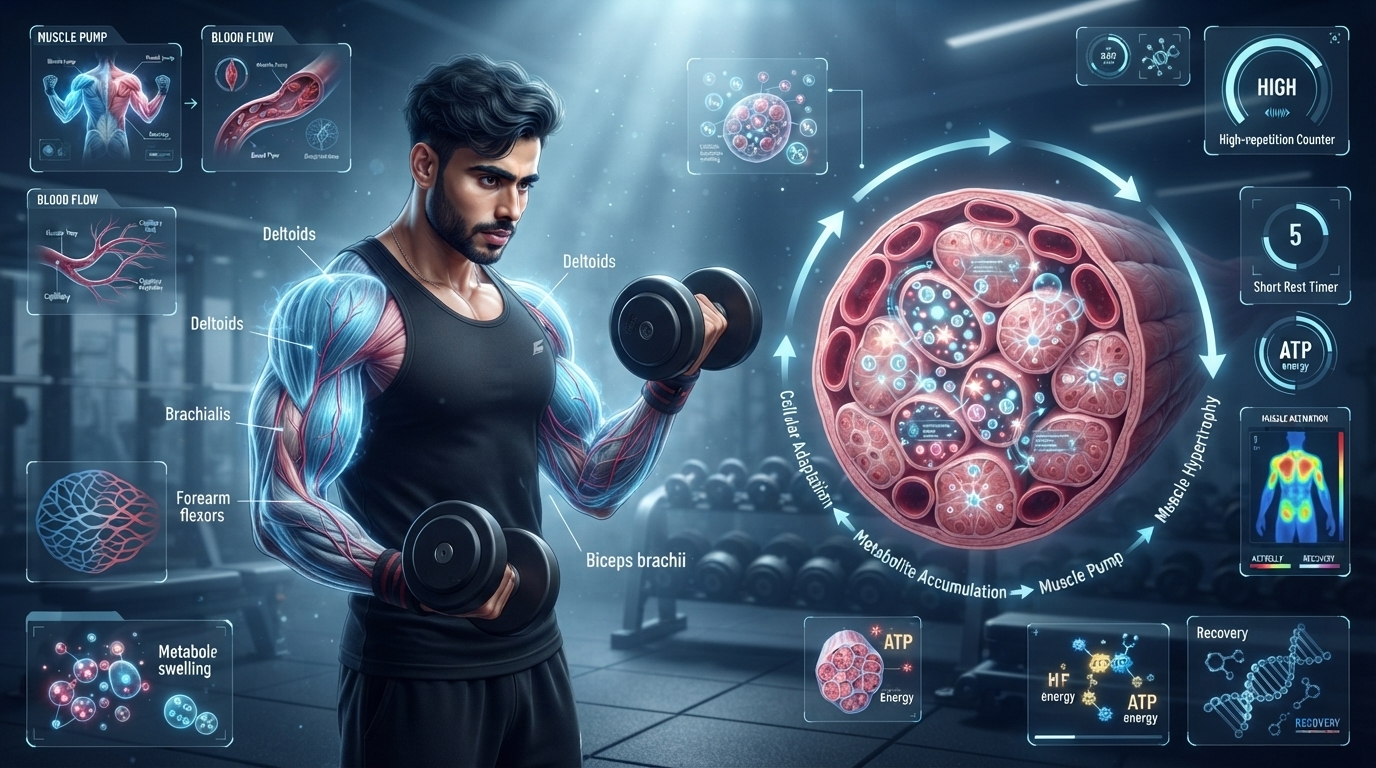
Metabolic stress is another important contributor to muscle hypertrophy. During moderate- to high-repetition resistance training, metabolites accumulate inside working muscles, creating the familiar "muscle pump" and stimulating cellular adaptations associated with muscle growth.

Illustration showing metabolic stress and muscle pump during resistance training.
The accumulation of metabolic by-products during resistance training contributes to muscle adaptation and hypertrophy.

Metabolic stress develops when muscles repeatedly contract during resistance exercise, leading to the accumulation of substances such as lactate, hydrogen ions, inorganic phosphate, and other metabolic by-products. These changes create the temporary "muscle pump" experienced during training.

High training volume, moderate repetitions, shorter rest periods, and continuous muscular tension increase metabolic stress. These conditions promote greater blood flow, cellular swelling, and the release of anabolic signaling molecules that support muscle growth alongside mechanical tension and muscle repair.

Although metabolic stress alone is not enough to maximize hypertrophy, it works together with mechanical tension, progressive overload, adequate nutrition, and recovery to create an effective muscle-building stimulus. A balanced training program should incorporate all of these factors for optimal results.

Chapter 09

Nutrition for Muscle Growth

Resistance training provides the stimulus for muscle growth, but nutrition supplies the energy and building blocks required for recovery and adaptation. A balanced diet rich in protein, carbohydrates, healthy fats, vitamins, minerals, and adequate hydration is essential for maximizing muscle hypertrophy.

Illustration showing nutrition supporting muscle growth after resistance training.
Proper nutrition provides the nutrients required to repair muscle fibers, replenish energy stores, and support long-term muscle growth.

Muscle growth depends on more than training alone. Every workout creates a demand for recovery, and nutrition supplies the protein, carbohydrates, fats, vitamins, minerals, and fluids needed to repair muscle tissue and support new muscle growth.

Protein provides the amino acids required for Muscle Protein Synthesis, carbohydrates replenish glycogen stores used during exercise, and healthy fats support hormone production and overall cellular function. Consuming enough total calories is equally important because inadequate energy intake limits the body's ability to recover and build new muscle tissue.

Long-term muscle growth is best supported by consistently following a balanced diet, meeting daily protein requirements, staying well hydrated, and combining proper nutrition with progressive overload, quality sleep, and sufficient recovery between training sessions.

Chapter 10

Common Muscle Building Myths

Muscle building is one of the most researched areas of exercise science, yet misinformation remains widespread. Separating scientific evidence from popular myths helps you train smarter and achieve better long-term results.

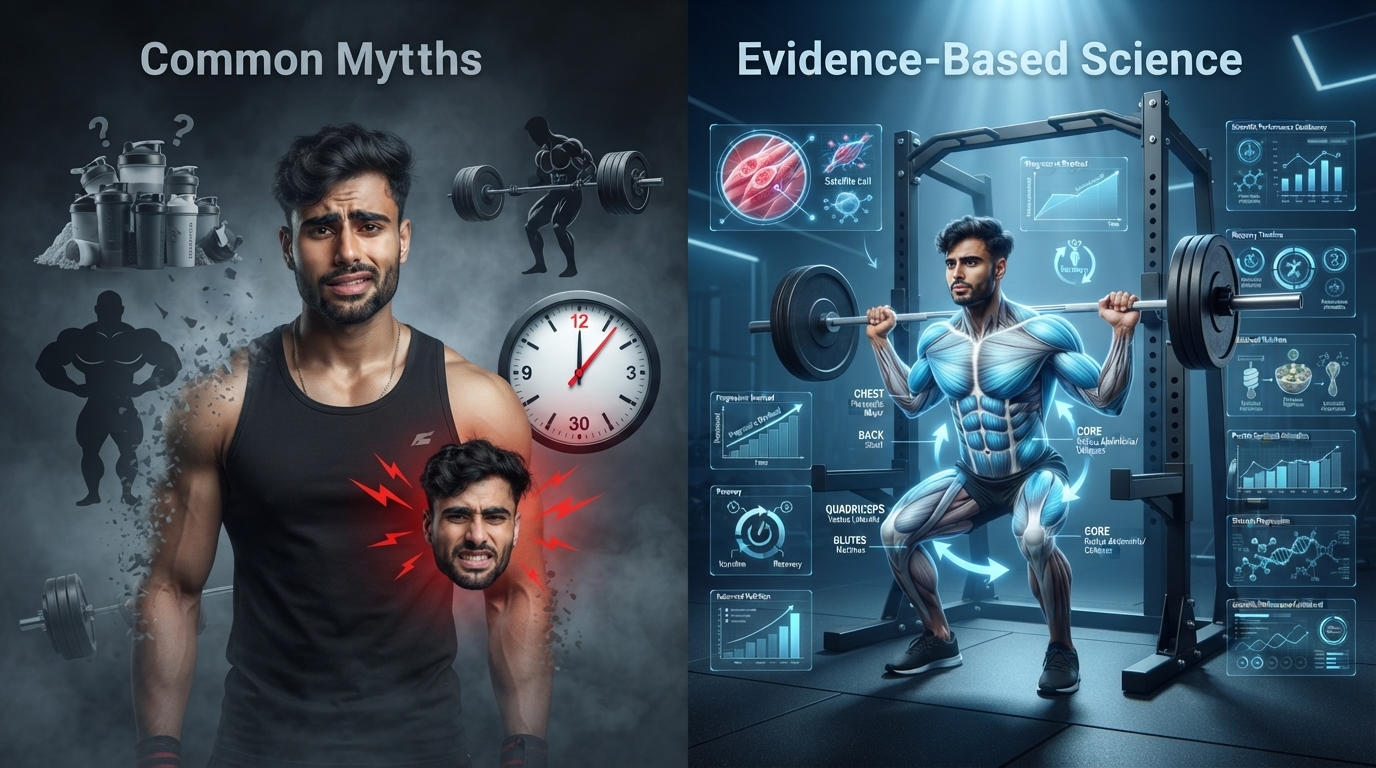
Illustration showing common muscle building myths being replaced with evidence-based fitness science.
Exercise science helps separate common fitness myths from the biological principles that truly support muscle growth.

Social media, marketing, and gym folklore have created countless misconceptions about building muscle. While some advice sounds convincing, many popular beliefs are not supported by scientific evidence and can slow your progress.

One common myth is that muscles grow only during exercise. In reality, resistance training provides the stimulus, but muscle growth occurs afterward during recovery through Muscle Protein Synthesis, supported by adequate nutrition and sleep.

Another misconception is that lifting the heaviest possible weights is the only way to build muscle. Research shows that muscle hypertrophy can occur across a wide range of repetition ranges, provided the muscles are trained with sufficient effort, proper technique, and progressive overload.

It is also incorrect to believe that soreness always indicates an effective workout. While muscle soreness may occur after unfamiliar or intense training, consistent muscle growth depends on progressive overload, recovery, balanced nutrition, and long-term training consistency—not simply how sore you feel.

Summary

Key Takeaways

Muscle growth is driven by a combination of effective training, proper nutrition, adequate recovery, and long-term consistency. Here are the most important scientific concepts covered throughout this guide.

Muscle Growth Is an Adaptation

Muscles grow by adapting to repeated resistance training through the process of muscle hypertrophy, becoming stronger and larger over time.

Muscle Protein Synthesis Builds Muscle

Muscle Protein Synthesis repairs and strengthens damaged muscle fibers using amino acids, making it one of the key biological processes behind hypertrophy.

Progressive Overload Is Essential

Gradually increasing training demands encourages muscles to continually adapt, preventing plateaus and supporting long-term muscle growth.

Three Mechanisms Drive Hypertrophy

Mechanical tension, controlled muscle damage, and metabolic stress work together to stimulate the biological signals responsible for muscle growth.

Nutrition Supports Recovery

Protein, carbohydrates, healthy fats, hydration, and adequate calorie intake provide the nutrients required to repair muscle tissue and fuel growth.

Trust Science, Not Myths

Sustainable muscle growth comes from evidence-based training, balanced nutrition, quality sleep, and consistency—not fitness myths or shortcuts.

Frequently Asked Questions FAQs

Frequently Asked Questions

Find answers to the most common questions about muscle building, muscle hypertrophy, progressive overload, nutrition, recovery, and the science behind gaining muscle effectively.

01 What is muscle hypertrophy?

Muscle hypertrophy is the increase in the size of muscle fibers that occurs after consistent resistance training. It results from repeated muscle adaptation supported by proper nutrition, recovery, and progressive overload.

02 What is the most important factor for building muscle?

Progressive overload is considered one of the most important principles of muscle growth. Gradually increasing training demands encourages muscles to continually adapt by becoming larger and stronger.

03 Do muscles grow during a workout?

No. Resistance training provides the stimulus for muscle growth, but muscles actually grow during recovery when Muscle Protein Synthesis repairs and strengthens damaged muscle fibers.

04 Is muscle soreness required for muscle growth?

No. Muscle soreness, often called DOMS, is not a reliable indicator of muscle growth. Effective training focuses on progressive overload, proper technique, adequate recovery, and consistent effort rather than chasing soreness.

05 How much protein do I need to build muscle?

Most physically active individuals benefit from consuming approximately 1.2–2.0 grams of protein per kilogram of body weight per day, depending on training intensity, overall diet, and individual goals.

06 Why is recovery important for muscle growth?

Recovery allows the body to repair muscle fibers, replenish energy stores, and complete Muscle Protein Synthesis. Without adequate sleep, nutrition, and rest between workouts, muscle growth is significantly reduced.

07 Can I build muscle using lighter weights?

Yes. Research shows that both moderate and relatively heavy loads can stimulate muscle hypertrophy when exercises are performed with proper technique, sufficient effort, and progressive overload.

08 What are the three main mechanisms of muscle hypertrophy?

The three primary mechanisms associated with muscle hypertrophy are mechanical tension, muscle damage, and metabolic stress. Together with proper nutrition and recovery, these mechanisms stimulate the biological adaptations that lead to muscle growth.

Continue Learning Continue Learning

Build Muscle with Science. Transform with Consistency.

Muscle growth isn't achieved through shortcuts—it's built through progressive overload, smart nutrition, quality recovery, and consistent training over time. Use the science you've learned to train with purpose, make informed decisions, and continue improving every workout. Explore more evidence-based fitness guides to deepen your knowledge and maximize your results.

"The strongest muscles are built by consistent effort, guided by science." — Atul Tomar Fitness