Common Beginner Gym Mistakes: 15 Mistakes That Slow Your Progress

Starting your fitness journey is exciting, but small mistakes can hold back your results or even lead to injuries. Learn the most common beginner gym mistakes, why they happen, and how to avoid them with practical, science-backed strategies to build muscle, gain strength, and train with confidence.

Science-Based Injury Prevention Beginner Friendly

In This Guide You'll Learn

  • The 15 most common mistakes beginners make in the gym
  • Why these mistakes slow muscle growth and strength gains
  • How to improve your workout technique, recovery, and nutrition
  • Practical tips to train safely and achieve faster, long-term progress
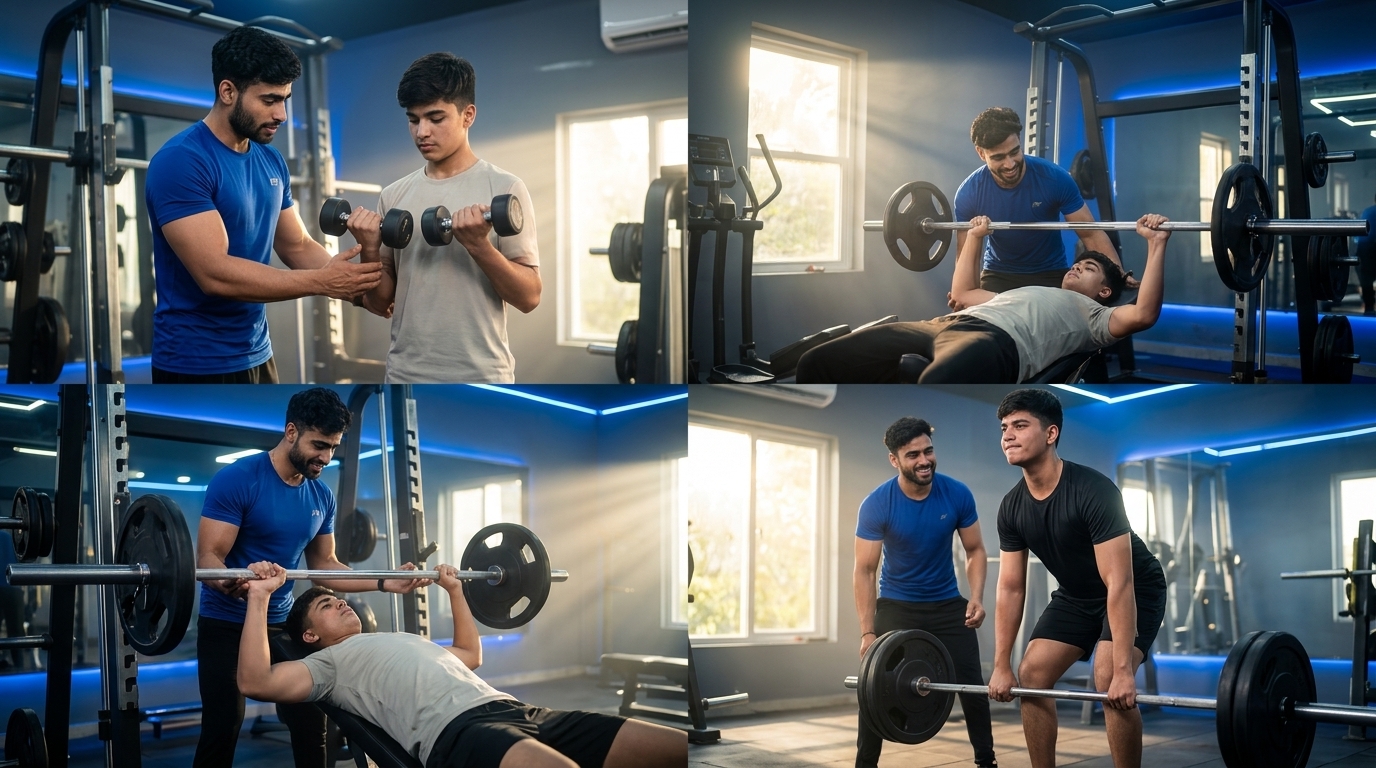
Beginner making common gym mistakes while a fitness coach demonstrates proper exercise technique in a modern gym
Beginner Success Roadmap

Table of Contents

Explore this complete beginner's guide to discover the most common gym mistakes, understand why they slow your progress, and learn practical strategies to train smarter, stay injury-free, and build muscle effectively.

Introduction

Are Beginner Gym Mistakes Slowing Your Progress?

Walking into a gym for the first time can be exciting, but it can also be overwhelming. Many beginners unknowingly make simple training mistakes that reduce workout effectiveness, increase injury risk, and delay muscle growth. The good news is that most of these mistakes are completely avoidable with the right knowledge.

Common beginner errors include skipping warm-ups, using poor exercise technique, lifting weights that are too heavy, changing workout routines too often, neglecting recovery, and expecting results overnight. These habits not only slow progress but can also reduce motivation and confidence in the gym.

In this science-backed guide, you'll discover the most common beginner gym mistakes, understand why they happen, learn how they affect your fitness results, and follow practical strategies to train safely, build muscle more efficiently, and develop long-term healthy workout habits.

Chapter 01

Skipping a Proper Warm-Up Before Training

One of the biggest mistakes beginners make is jumping straight into heavy exercises without preparing their muscles and joints. A proper warm-up improves performance, increases mobility, and significantly reduces the risk of injuries during your workout.

Your muscles perform best when they are warm and supplied with enough blood flow. A proper warm-up gradually raises your heart rate, activates major muscle groups, improves joint lubrication, and prepares your nervous system for lifting weights. Skipping this step often leads to poor movement quality and reduced exercise performance.

A good beginner warm-up doesn't need to be complicated. Five to ten minutes of light cardio followed by dynamic stretches and a few lighter sets of your first exercise are usually enough to prepare your body for training. Taking these extra minutes can improve strength, confidence, and workout safety while lowering the chance of strains and other preventable injuries.

Fitness coach demonstrating a proper dynamic warm-up before strength training in a modern gym
Figure 01

Spending just a few minutes warming up prepares your muscles, joints, and nervous system for safer and more effective workouts.

Quick Facts

Key Things to Remember

Always spend 5–10 minutes warming up before lifting weights.

Dynamic stretches prepare your muscles better than remaining completely inactive.

Perform one or two light warm-up sets before your first heavy working set.

A proper warm-up improves exercise performance while reducing the risk of common training injuries.

Chapter 02

How Beginners Make Real Progress in the Gym

Fitness results don't come from working out harder every day—they come from following the right process consistently. Understanding how your body adapts to training helps beginners avoid common mistakes and make steady progress.

Step 01

Learn proper exercise technique before increasing weight.

Step 02

Train consistently using controlled movements and progressive overload.

Step 03

Eat enough protein and nutritious foods to support recovery and muscle growth.

Step 04

Prioritize sleep and recovery so your body can repair and become stronger.

Step 05

Stay patient and repeat the process consistently to build strength, muscle, and confidence.

Fitness coach teaching a beginner the step-by-step process of building muscle through proper training, nutrition, recovery, and consistency
Figure 02

Long-term gym success comes from learning proper technique, training consistently, eating well, recovering adequately, and gradually increasing the challenge over time.

Chapter 03

Common Beginner Gym Mistakes That Slow Your Progress

Most beginners don't fail because they lack motivation—they fail because they repeat avoidable mistakes. Identifying these common errors early helps you train safely, improve faster, and build long-term consistency in the gym.

Skipping Warm-Up

Injury Risk. Jumping straight into heavy exercises without warming up reduces mobility, limits performance, and increases the chance of muscle strains and joint injuries.

Poor Exercise Form

Technique First. Incorrect lifting technique places unnecessary stress on your joints, reduces muscle activation, and makes injuries more likely than progress.

Lifting Too Heavy

Ego Lifting. Choosing weights beyond your current ability often leads to poor form, incomplete range of motion, and slower long-term results.

Ignoring Recovery

Recovery Matters. Muscles grow while you recover, not while you train. Poor sleep and insufficient rest reduce strength, performance, and recovery.

Poor Nutrition

Fuel Your Body. Skipping meals or eating too little protein limits recovery and makes it difficult to build muscle or improve workout performance.

Expecting Instant Results

Be Patient. Visible fitness progress takes weeks and months of consistent training. Trust the process instead of changing workouts every few days.

Chapter 04

Beginner Gym Success Plan

Avoiding mistakes is only half the journey. Following a simple, consistent routine helps beginners build strength, improve technique, and achieve steady progress without feeling overwhelmed.

Warm Up Properly

Spend 5–10 minutes doing light cardio, dynamic stretches, and warm-up sets before your first exercise to prepare your muscles and joints for training.

Focus on Technique

Learn correct exercise form before increasing the weight. Controlled movements produce better muscle activation and reduce the risk of injury.

Choose the Right Weight

Select a weight that allows you to complete every repetition with proper technique while still challenging your muscles.

Eat for Recovery

Consume enough protein, carbohydrates, and water every day to support muscle recovery, energy levels, and consistent training performance.

Prioritize Rest

Aim for 7–9 hours of quality sleep and include rest days in your workout schedule so your body has time to recover and adapt.

Track Your Progress

Record your workouts, weights, repetitions, and body measurements to monitor improvement and stay motivated throughout your fitness journey.

Chapter 05

Tips to Avoid Beginner Gym Mistakes

Building a strong physique isn't about doing everything perfectly—it's about avoiding common mistakes and consistently following good training habits. These practical tips will help beginners stay safe, improve faster, and enjoy long-term progress.

Beginner performing a proper dynamic warm-up before lifting weights

Always Warm Up First

Spend 5–10 minutes preparing your body with light cardio, dynamic stretches, and warm-up sets before starting your workout to improve performance and reduce injury risk.

Fitness coach teaching proper exercise form to a beginner

Master Proper Technique

Focus on controlled movements and correct form before increasing weight. Good technique builds strength more safely and activates the intended muscles effectively.

Beginner increasing weights gradually during strength training

Increase Weight Gradually

Progressively overload your muscles by adding small amounts of weight or repetitions over time instead of trying to lift the heaviest weights immediately.

Athlete sleeping and recovering after a workout

Prioritize Recovery

Get 7–9 hours of quality sleep, stay hydrated, and allow your muscles enough recovery time between workouts for better performance and growth.

Healthy balanced meal supporting gym performance and recovery

Fuel Your Body Properly

Eat enough protein, complex carbohydrates, healthy fats, and vegetables to support energy levels, muscle recovery, and consistent training progress.

Beginner consistently following a structured gym routine

Stay Patient and Consistent

Real fitness results take time. Stick to a structured workout plan, track your progress, and trust the process instead of expecting overnight transformations.

Summary

Key Takeaways

If you remember only a few lessons from this guide, focus on these essential principles. Avoiding common beginner mistakes will help you train more safely, recover better, and make steady long-term progress.

Never skip your warm-up. Preparing your muscles and joints before training improves performance and significantly reduces the risk of avoidable injuries.

Master proper exercise form before lifting heavier weights. Good technique builds strength more effectively while protecting your muscles and joints.

Recovery is just as important as training. Quality sleep, proper nutrition, hydration, and rest days allow your body to repair, adapt, and become stronger.

Be patient and trust the process. Consistent workouts, gradual progression, and healthy habits produce far better results than chasing quick fixes or unrealistic expectations.

Consistency beats perfection. Showing up regularly, following a structured workout plan, and avoiding common beginner mistakes will lead to steady improvements in strength, muscle, and overall fitness.

Frequently Asked Questions FAQs

Frequently Asked Questions

Find answers to the most common questions about beginner gym mistakes, proper exercise technique, training safely, recovery, and building consistent fitness habits.

01 What is the biggest mistake beginners make in the gym?

One of the most common mistakes is using incorrect exercise form and trying to lift weights that are too heavy. Learning proper technique first helps prevent injuries and produces better long-term results.

02 Should beginners warm up before every workout?

Yes. Spending 5–10 minutes on light cardio, dynamic stretches, and warm-up sets prepares your muscles, improves performance, and reduces the risk of injury.

03 How heavy should beginners lift?

Choose a weight that allows you to complete every repetition with proper technique. Increase the weight gradually only after your current workload feels comfortable.

04 How often should beginners go to the gym?

Most beginners make excellent progress by training three to four days per week while allowing enough time for recovery between sessions.

05 Is soreness a sign of a good workout?

Not necessarily. Muscle soreness can happen after new or intense workouts, but consistent strength gains, improved technique, and better performance are more reliable indicators of progress.

06 Do beginners need protein powder?

No. Most beginners can meet their protein needs through whole foods such as milk, eggs, paneer, lentils, soy products, beans, and other nutritious meals.

07 How long does it take to see gym results?

Many beginners notice improvements in strength within a few weeks, while visible body changes usually become noticeable after several weeks or months of consistent training, proper nutrition, and recovery.

08 What's the best advice for someone starting the gym?

Focus on learning proper technique, follow a simple workout plan, recover well, eat nutritious foods, and stay consistent. Small improvements made every week lead to long-term fitness success.

Continue Learning Continue Learning

Explore More Beginner Fitness & Training Guides

Continue learning with science-backed fitness guides covering beginner workouts, muscle building, fat loss, exercise technique, and practical strategies to help you train safely and make consistent progress.